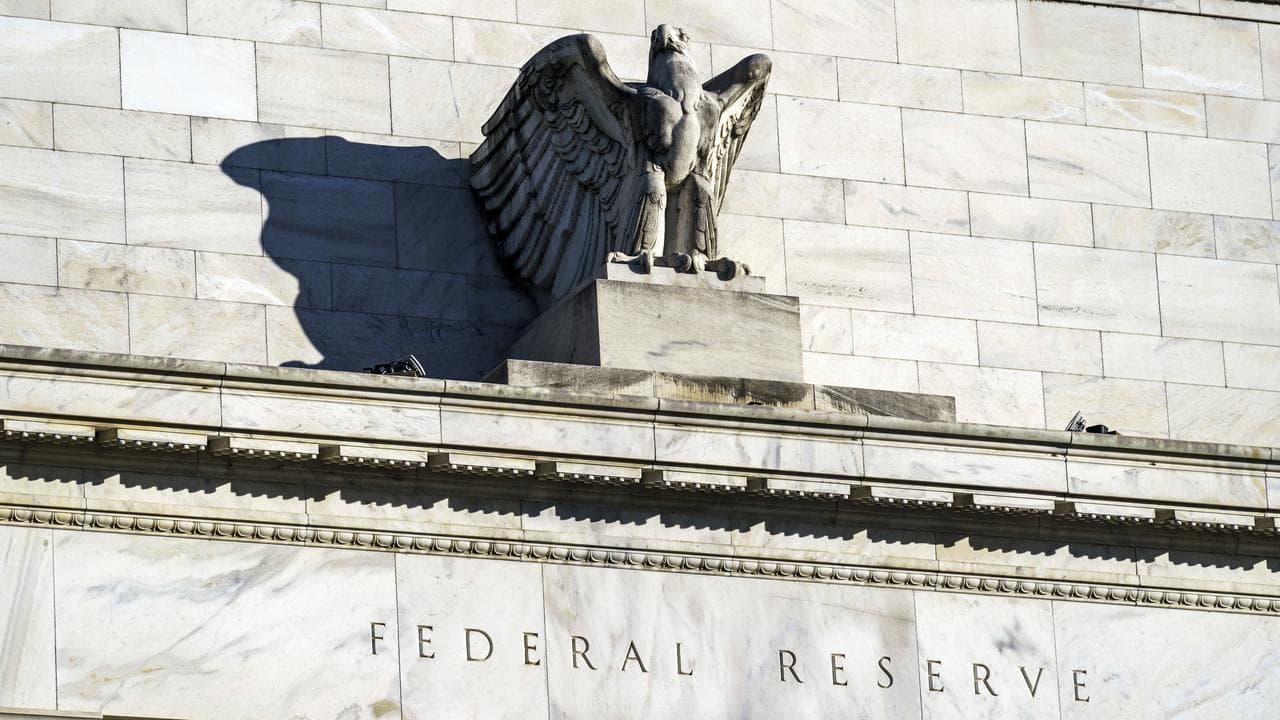
The US Federal Reserve has cut interest rates in another divided vote but signalled it will likely pause further reductions in borrowing costs as officials look for clearer signals about the direction of the job market and inflation that "remains somewhat elevated".
New projections issued after the US central bank's two-day meeting showed the median policymaker sees just one quarter-percentage-point cut in 2026, the same outlook as in September, with inflation expected to slow to about 2.4 per cent by the end of next year even as economic growth accelerates to an above-trend 2.3 per cent and the unemployment rate remains at a moderate 4.4 per cent.
"In considering the extent and timing of additional adjustments to the target range for the federal funds rates, the Committee will carefully assess incoming data," the rate-setting Federal Open Market Committee said in language that in the past has been used to signal a pause in policy actions - an outlook at odds with market expectations of two rate cuts next year.
The decision to lower the benchmark policy rate by a quarter of a percentage point to the 3.50 per cent-3.75 per cent range drew three dissents, with Chicago Fed president Austan Goolsbee joining Kansas City Fed president Jeffrey Schmid in arguing the policy rate should be left unchanged, and Fed governor Stephen Miran again advocating a larger half-percentage-point reduction.
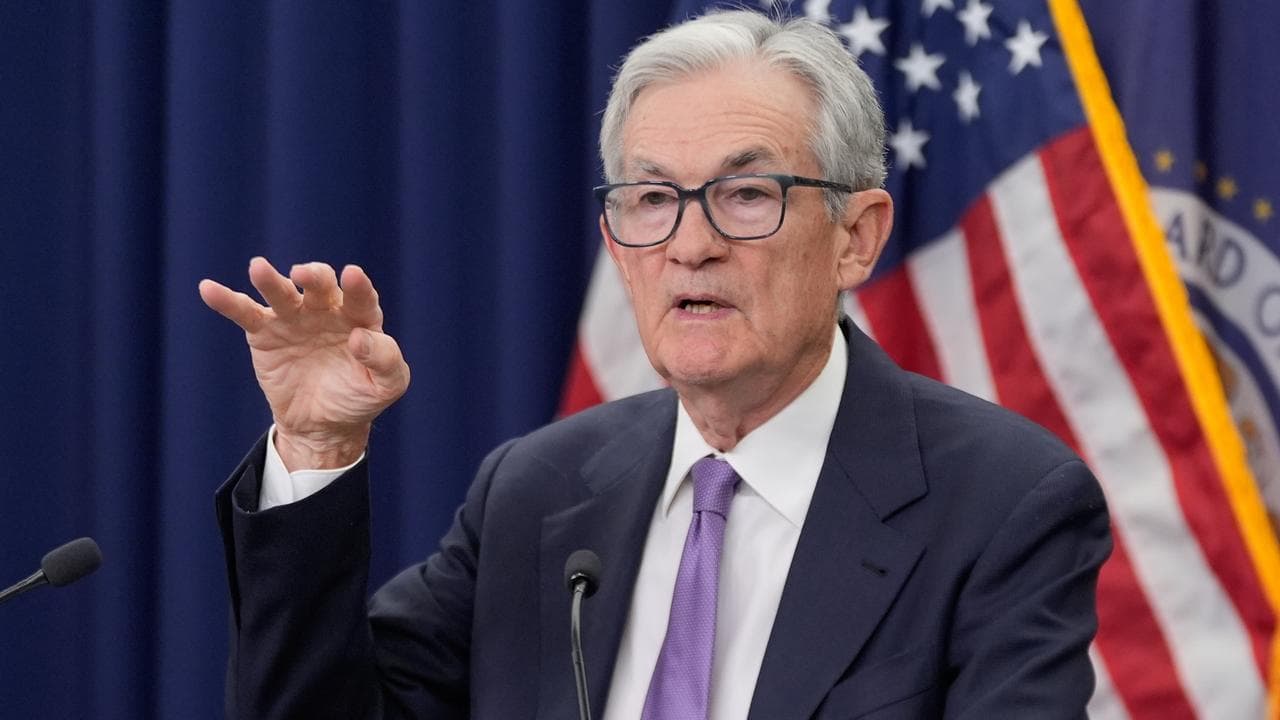
At a press conference, Fed Chair Jerome Powell said: "I would note that having reduced our policy rate by 75 basis points since September and 175 basis points since last September, the fed funds rate is now within a broad range of estimates of its neutral value and we are well positioned to wait to see how the economy evolves."
Powell, who repeatedly referenced being in a strong position to wait on the next move, added that Fed officials have made no decision about what to do with rates at their next policy meeting in late January.
He said "monetary policy is not on a preset course, and we will make our decisions on a meeting by meeting basis."
How monetary policy evolves from here, heading into a midterm US election year that could revolve around the performance of the economy, will hinge on data that is still lagging from the effects of the 43-day federal government shutdown in October and November.
The projections are in a sense optimistic: interest rates may remain higher than anticipated but the economy is seen growing faster even as inflation falls and the jobless rate also eases lower.
But the latest policy statement and projections were crafted without the benefit of recent job and inflation reports, and instead relied on "available indicators," which Fed officials have said include their own internal surveys, community contacts and private data.
The most recent official data on unemployment and inflation is for September, and showed the unemployment rate rising to 4.4 per cent from 4.3 per cent, while the Fed's preferred measure of inflation also increased slightly to 2.8 per cent from 2.7 per cent.
The Fed has a two per cent inflation target but the pace of price increases has risen steadily from 2.3 per cent in April, a fact at least partly attributable to the pass-through of rising import taxes to consumers and a driving force behind the central bank's policy divide.
Job and inflation data for November will be released next week, followed later by a detailed report of economic growth for the third quarter.
"Available indicators suggest that economic activity has been expanding at a moderate pace," the Fed's statement said.
"Job gains have slowed this year, and the unemployment rate has edged up through September," it said, dropping a reference to the jobless rate as "low".
The projections showed a core of six policymakers preferring no rate cut this year, and seven anticipating no further cuts in 2026.
The median projection is for one additional quarter-percentage-point cut in 2027 as well as inflation continues to subside towards the central bank's two per cent target.


