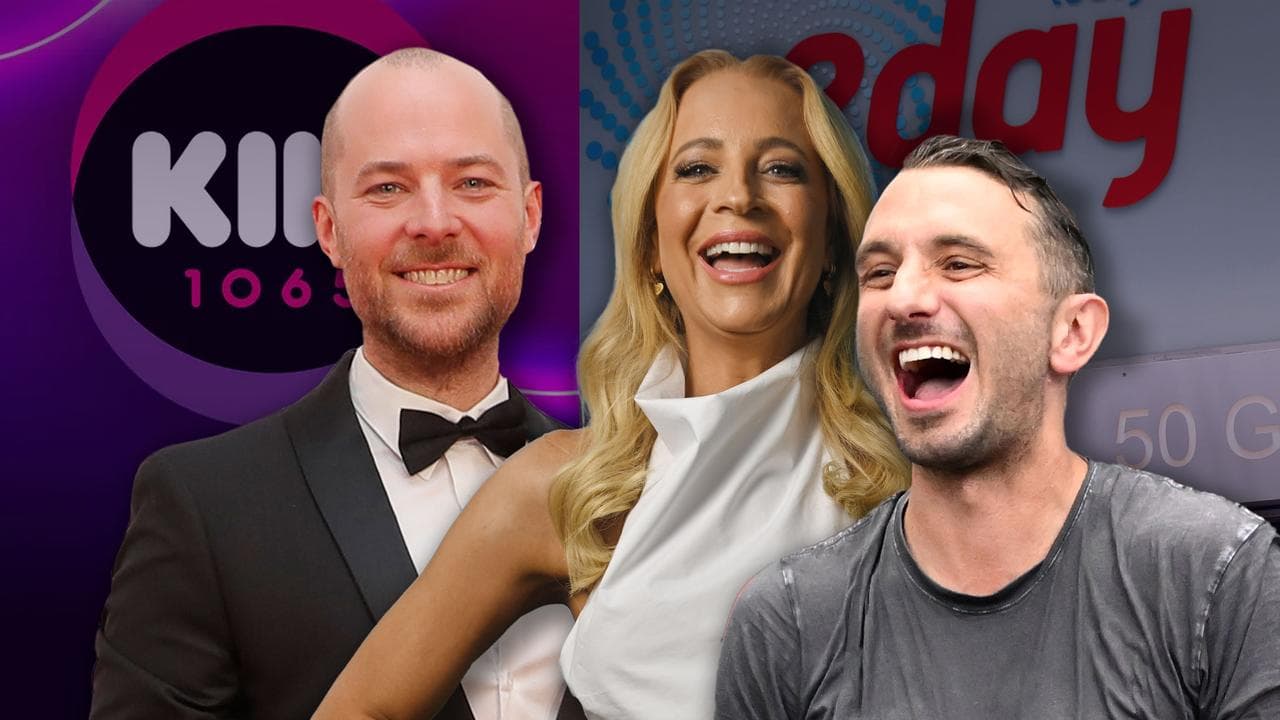
Familiar voices radio listeners have long welcomed into their cars and homes are suddenly disappearing from Australia's airwaves.
National drive show hosts Carrie Bickmore and Tommy Little have signed off at the Hit Network, ending a decade-long partnership.
ARN drive team Will McMahon and Woody Whitelaw have been sent packing from KIIS FM and will finish up at the end of the year.
And Hot Hits presenters Nic Kelly and a tearful Loren Barry have announced on air that they too are no more.
At their peak, each duo was indeed dynamic, commanding the kinds of audiences industry executives would die for.
Yet, no longer.
Headlines suggest an industry in crisis.
However, the peak body representing Australia's commercial radio broadcasters, Commercial Radio & Audio, says programming shake-ups at this time of year are hardly unusual.
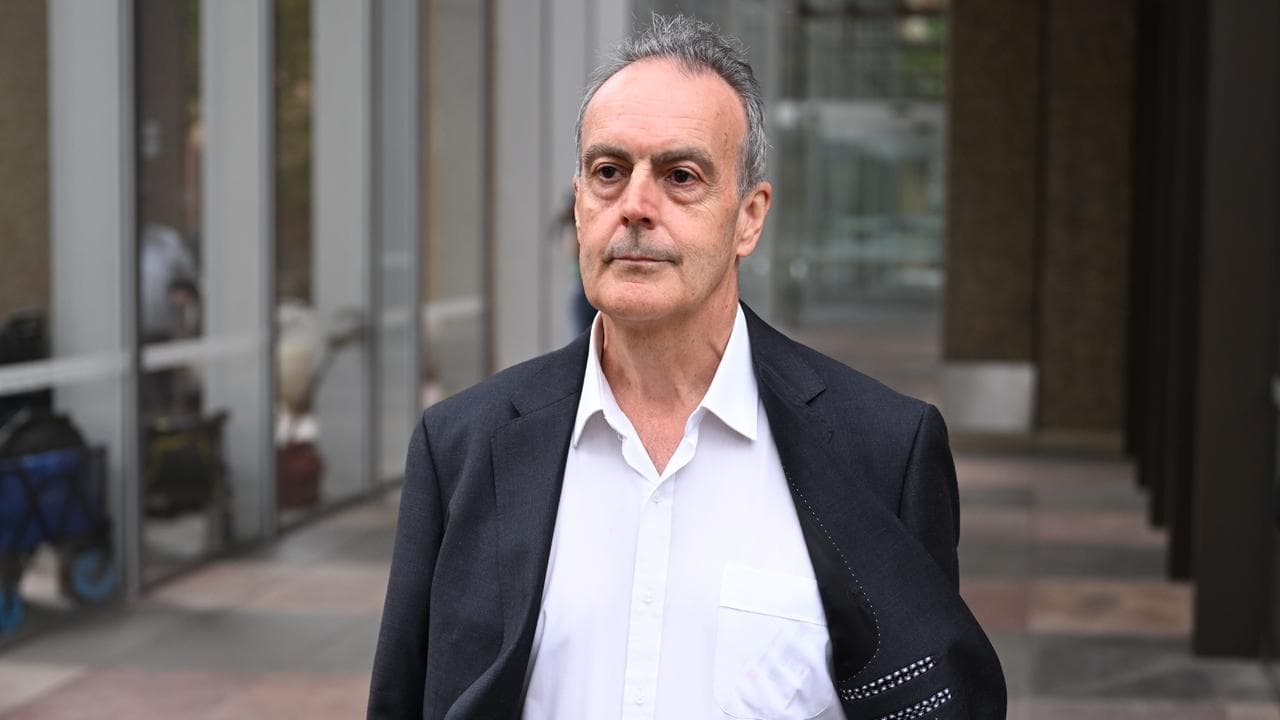
It's an observation echoed by media strategist, trainer and Radioinfo publisher Steve Ahern. It's something he prefers to call the "killing season".
"There are mixed messages out there and some of them are from the radio industry's competitors who have an interest in talking down radio," he says.
"But others are just interpretations of what's going on, which may or may not be right."
To be sure, year's end is typically when contracts are renewed. Kyle and Jackie O's departure aside, it's a rule that applies particularly to high-profile talent.
The timing is tied to the ratings year, which begins in late January and ends in the second week of December.
Presenters are often notified at the last minute about the state of their contracts, with networks carefully timing announcements to avoid potential drama.
"In broadcast media, where you're dealing with live talent who are on the air, live, every day, you don't want to give them lots of notice," Ahern says.
"And they don't expect it either because you know that if they're not happy, they could go on radio the next day and bag out the company."
While some talent might openly express their upset on air, Ahern says this is sometimes part of the "game they play".
"They have an exclusion period where they shouldn't talk to their competitors but when they know their contract's ending or up for renewal, they put themselves out there and they have conversations," he says.
"It's a tribute to the power of radio personalities that they are in demand. They can negotiate."
Ahern, who is also a consultant, reckons the drama makes the Australian industry interesting to overseas broadcasters.
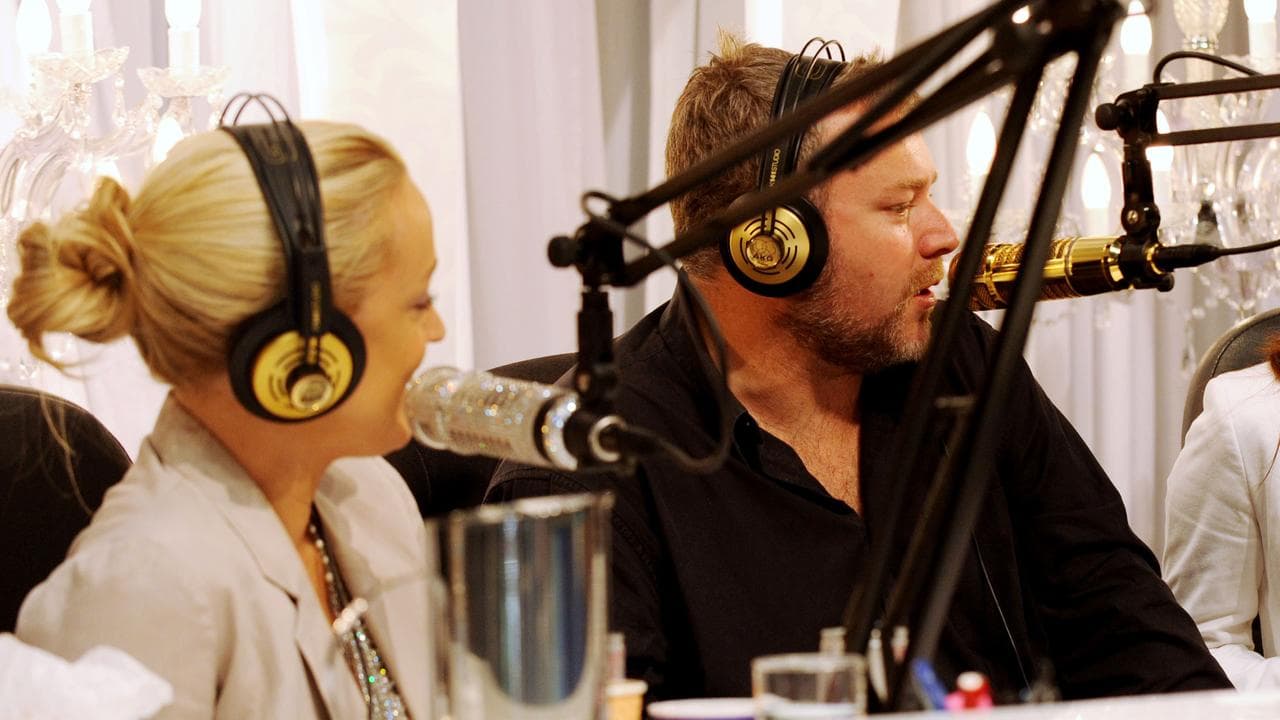
"All of this angst and turmoil and competition is actually good because it drives everybody to do better," he says.
"The world is watching and they steal good ideas from us."
James Manning, founder of Mumbrella and its editor for 25 years, says programming decisions have been made across more than 40 commercial FM and AM radio stations.
It's a process whereby networks are looking to "replace under-performing day parts" and launch new shows before the end of the year.
"This year that is the case in particular at ARN KIIS brands in Sydney and Melbourne, with new shows getting some time on air at the end of the year before ARN starts marketing the new programmers in 2027," he says.
ARN, which operates 58 radio stations across 33 markets, is due to hold its upfront presentation on Wednesday, when it is expected to reveal further programming plans.
Following the departure of Bickmore and Little, the Hit Network has already announced We Mean Well podcasters Luisa Dal Din and Jack Archdale as hosts of a new national drive show in 2027.
Digital presenters Lucy Jackson and Nikki Westcott will also take over the broadcaster's national 3pm to 4pm weekday slot.
Meanwhile, former Australian cricket captain Michael Clarke will join Nath Roye and Emma Chow on 2Day FM Breakfast.
According to Manning, big-name presenters remain central to radio, particularly in breakfast and drive slots.
"What is changing is the ability of stations to offer unsustainable salaries," he says.
"However, the gruelling schedule for breakfast presenters means big money still needs to be offered to have people leaving home at 4am for their jobs."
While he says broadcasters are rethinking large pay cheques, he suggests "they are not doing it quickly enough".
And although hiring emerging talent to lead radio shows might make financial sense, developing successful presenters is a slow process.
Talents such as Hamish and Andy were "groomed" in non-peak time slots, like weekend breakfast, before moving into prime time.
"These days there is impatience from boards who want to try and fast-track improved ratings," Manning says.
"This means hiring household names."

He uses Bickmore and Dr Chris Brown as examples of where this approach has worked but says there has also been "plenty of car crashes in the past" where hiring high-profile talent has failed to deliver.
"Think of the conga-line of talent that has been tried at 2Day FM in Sydney since Kyle and Jackie departed, including Rove McManus and Merrick Watts, who were both unable to move the needle," he says.
For Ahern, radio's enduring appeal comes down to the connection between presenters and audiences.
Unlike other forms of media, where content can be edited and polished before it reaches the masses, radio remains a live medium.
"Radio is real people sharing their lives every day and that's what makes radio unique," he says.
Because of this, listeners grow attached to hosts and come to expect them to divulge details of their day-to-day.
"If you're blindsided by not having your contract renewed and you feel like crying, well, you can do that on radio because that's what the audience expects," Ahern says.
And despite the programming changes, according to the numbers at least, commercial radio isn't struggling; it's thriving.

The latest GfK Metro Survey shows commercial radio reaches 12.7 million Australians weekly across the five metropolitan markets - up 2.8 per cent year on year.
Commercial Radio & Audio chief executive Lizzie Young says these audiences have been sustained for more than four years, with the figures clearly demonstrating "the importance of the radio medium".
Australians are continuing to turn to on-air hosts for everyday news, entertainment and connection.
"Radio is obviously adapting as consumer habits evolve and when you look more broadly, you see how stations are meeting Australian audiences where they are," she says.
Whether it's broadcast radio, streaming, podcasting or other social media, radio is keeping up with industry changes.
"In the media, there are always challenges, particularly around ensuring a level playing field when it comes to how we work with the global tech giants," she says.
"We continue to work with the government to ensure all Australians have easy access to the radio broadcasters they know, love and trust."


