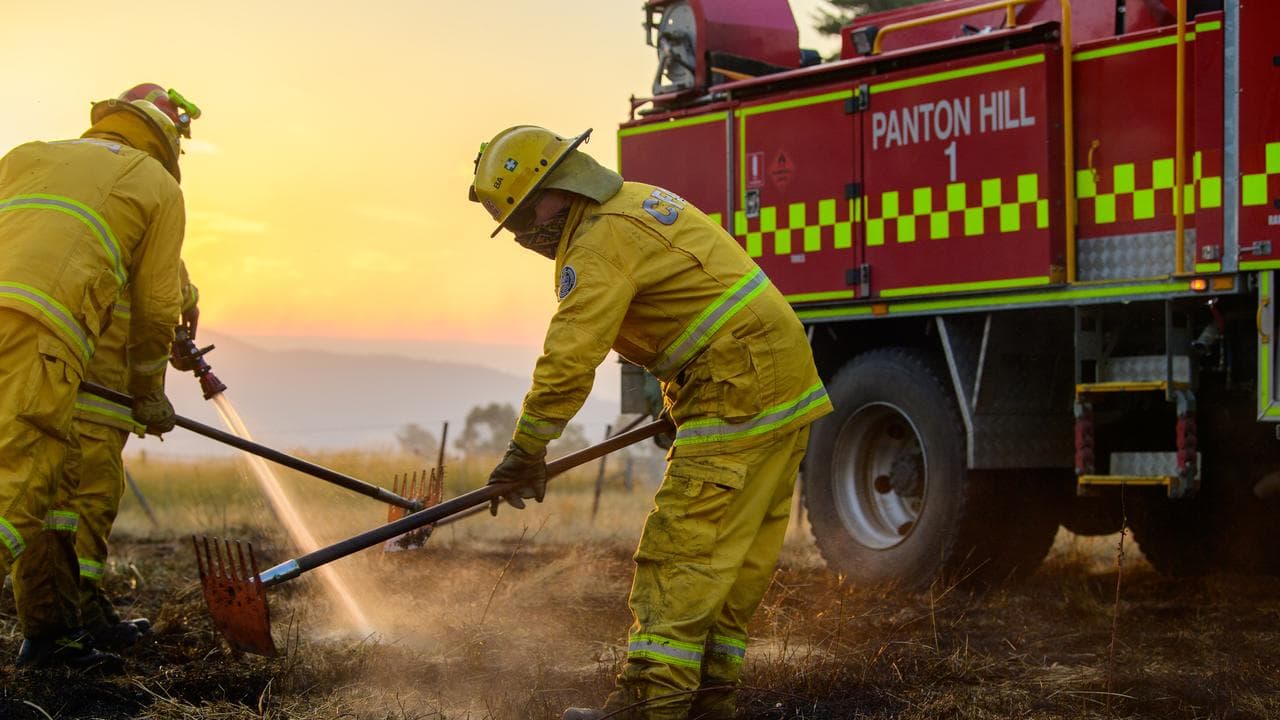
Climate scientists are warning an El Nino event in the Pacific brings bushfire conditions, with drier and warmer weather expected for parts of Australia.
The Bureau of Meteorology confirmed the weather event and said forecasts signalled a "strong to very strong" El Nino climatic pattern, but a potent system does not necessarily bring strong weather impacts for Australia.
Climate Councillor Andrew Watkins, formerly of the Australian Climate Service and Bureau of Meteorology, said El Nino and climate change were an alarming combination, with the latter already adding about 1.5C of warming to the system.
“Climate pollution from coal, oil and gas supercharges heat, dangerous fire weather and aggressive events like flash droughts ... together, climate pollution and El Nino are loading the dice towards record heat and fire conditions," he said.
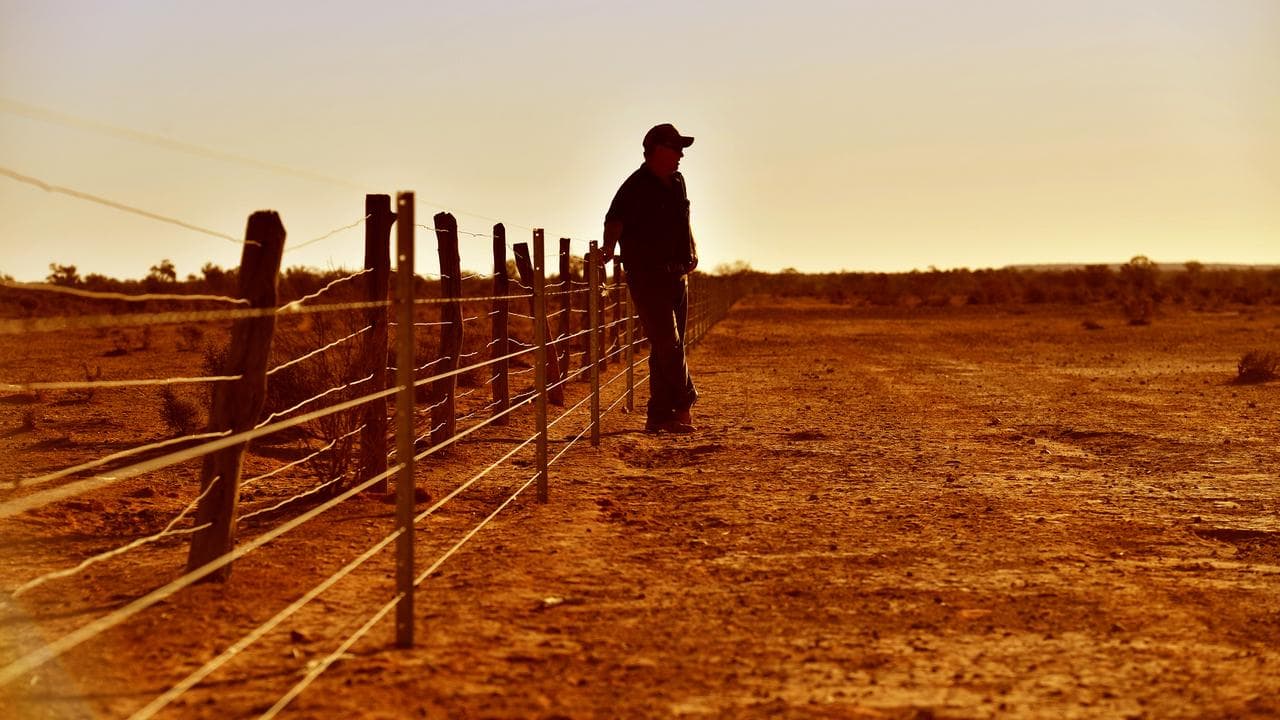
The US National Oceanic and Atmospheric Administration on Friday ascribed a 63 per cent chance of an El Nino of record-breaking strength developing later in 2026.
Australia's climate is driven by more than just the El Nino–Southern Oscillation patterns that cycles in the Pacific Ocean periodically, including the Indian Ocean Dipole, which is presently neutral, and regional sea surface temperatures.
Climate change caused by increasing concentrations of greenhouse gases trapping heat in the atmosphere is also pushing average temperatures higher and leading to more erratic and extreme weather.
The latest long-range forecasts from the bureau, which merge all potential climate drivers, point to below-average rainfall across parts of southern and eastern Australia over the next three months.

Higher daytime temperatures are predicted south of the tropics and warmer-than-normal evenings for much of the nation.
Previous El Nino events have been linked to less rainfall in winter and spring in eastern Australia, higher temperatures in southern areas, and increased frost risk due to clearer skies.
The community should brace for a potentially catastrophic summer, said International Fund for Animal Welfare Oceania animal rescue officer Robert Leach.
"Australia is no stranger to extreme weather, but what we’re seeing now is the pace and frequency of these events outstripping the ability of wildlife and ecosystems to recover between them,” he said.
“Wildlife cannot handle much more … the scars of the Black Summer bushfires are still raw, a severe El Nino event could push wildlife to the brink."
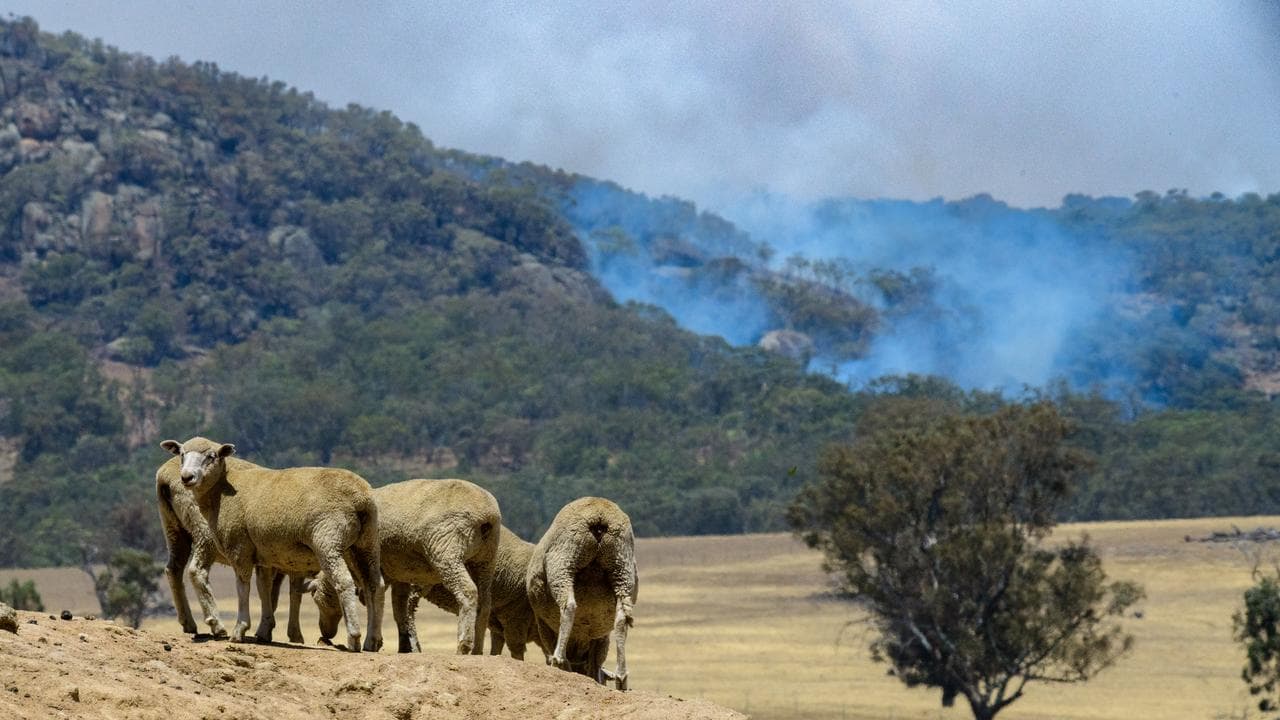
Dr Watkins said the La Nina years - the opposite pattern linked to cooler and wetter weather in Australia - were already hotter than El Nino years of last century.
"We saw exactly that play out over summer when heat records tumbled across Australia during a La Nina."
Fires agencies in the eastern states are already gearing up for a possible earlier, busier season, and some farmers say livestock and cropping decisions have already been complicated by the forecasts.
Other producers are wary of long-term weather predictions, particularly after livestock prices tanked amid a forecasted El Nino in 2023.


