The Netherlands is withdrawing from the Eurovision Song Contest over Israel's participation, reversing a decision in September to return to the show.
NPO, the umbrella organisation for public broadcasters in the country, announced in September it would send a performer to the glitzy pop gala after a subsidiary had said a month earlier it would boycott the contest for a second year.
In a statement, the organisation's director Jet de Ranitz said that NPO was unable to secure a broadcaster who would send a Dutch artist.
"Due to the sensitivities surrounding the themes currently at play, we have decided to take a step back for the time being," de Ranitz said.
NPO had planned to return to the 2027 edition as a joint project between a number of the country’s public broadcasters, with the umbrella organisation co-ordinating the selection of the performer, coverage of the event and commentary.
Five longtime participants - Spain, the Netherlands, Ireland, Iceland and Slovenia - boycotted the 2026 edition after organisers declined to kick Israel out over its conduct of the war against Hamas in the Gaza Strip and violence against Palestinians in the West Bank.
The decision to return had sparked backlash.
Earlier this month, hundreds of NPO employees sent a letter opposing Dutch participation.
A number of prominent Dutch media personalities also publicly objected to the move.
“In our co-ordinating role, we held discussions with the broadcasters to investigate whether there are any broadcasters willing to facilitate the participation of a Dutch artist. In those discussions, we initially felt there was sufficient support to return,” de Ranitz said.
NPO will still broadcast the event.
Martin Green, director of Eurovision, said he was "deeply sorry" the country would not be taking part, adding: “We understand their decision, and we respect the strength of feeling behind it in the Netherlands."
Green also welcomed the announcement the competition would continue to be broadcast in the Netherlands, adding Eurovision looked forward to welcoming a Dutch entry when "the time is right".
In May, 35 countries participated in the 2026 edition of the pop music competition.
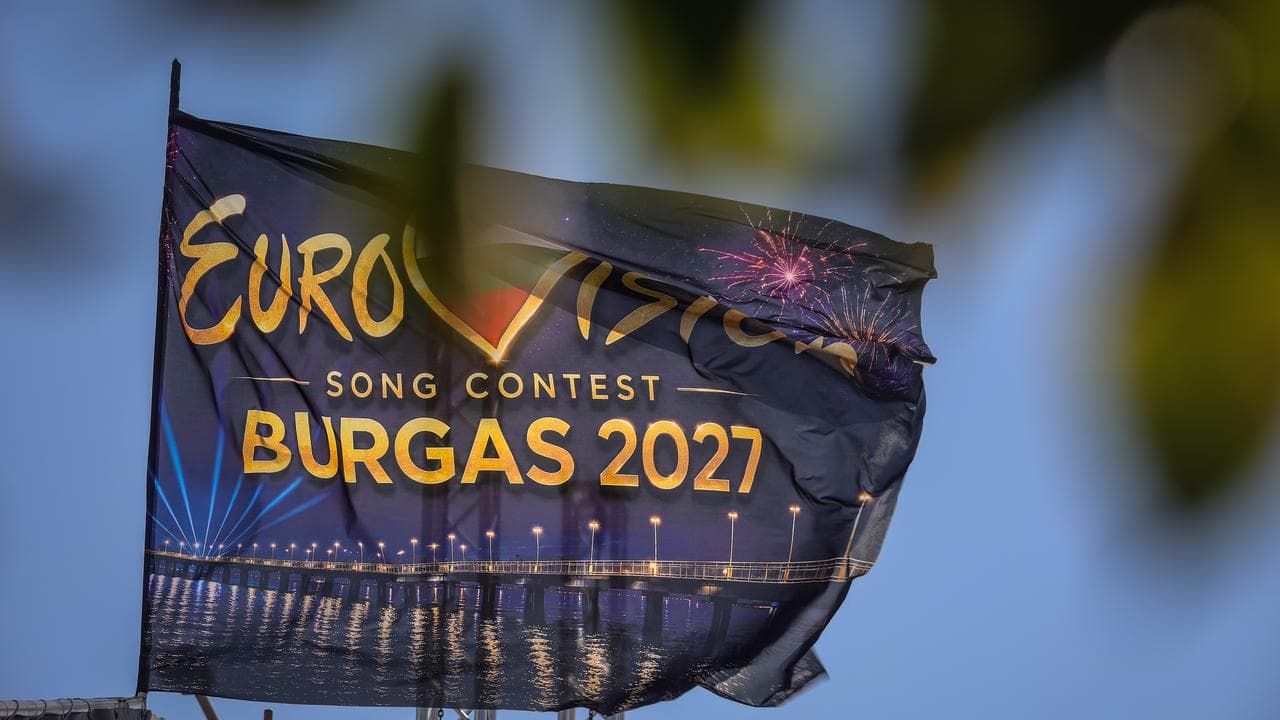
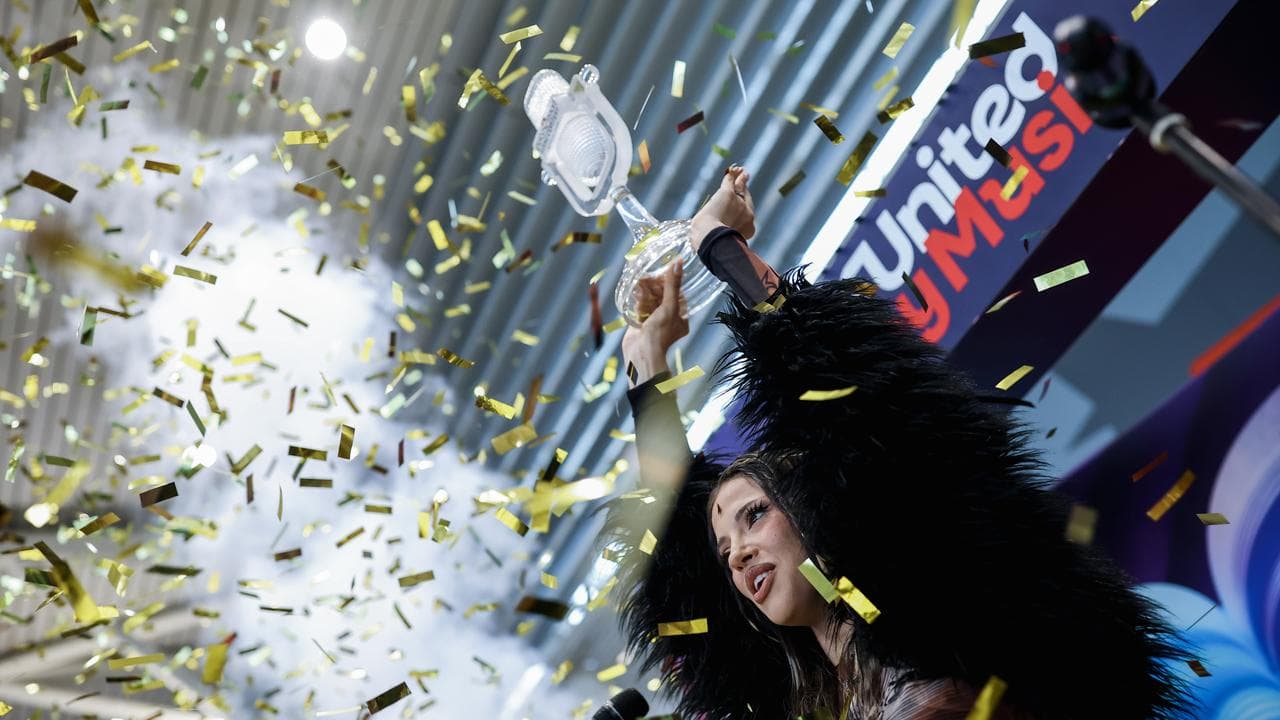
The contest was won by Bulgarian singer Dara, so next year’s competition will take place in the southeast European country.
The 2026 Eurovision final was watched by 130 million viewers around the world, organisers say, down from 160 million in 2025.
with PA


