Women trying hard to protect their children from domestic violence can end up being blamed for not keeping them safe, and punished by having them removed, Aboriginal rights advocates say.
Responsibility for stopping violence should not be placed on the parent experiencing it when authorities have an obligation to ensure safe housing and support for them, the Australian Human Rights Commission says.
It has responded to a damning report into the Northern Territory's child protection department following the alleged murder of a five-year-old girl.
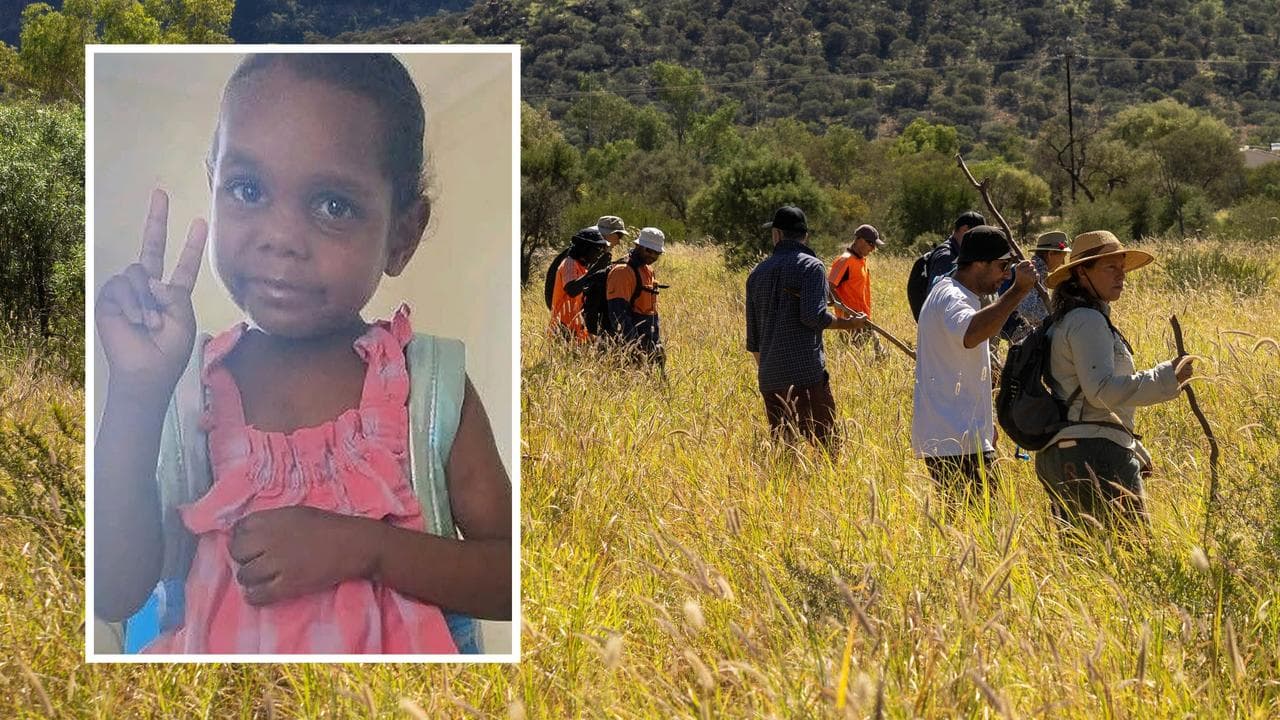
Kumanjayi Little Baby's body was found five days after she was allegedly abducted from Alice Springs' Old Timers camp in April, sparking widespread outrage across Australia.
Jefferson Lewis, 47, has been charged with her murder and is awaiting trial.
The NT government commissioned an independent review of its child protection department by former NSW police chief Karen Webb and longtime public servant Greg Shanahan.
The review found child protection officers repeatedly failed to adequately assess safety threats to the girl and her family.
The NT government has accepted the review's 45 recommendations to "reset" the department to ensure better protection for children.
Aboriginal and Torres Strait Islander Social Justice Commissioner Katie Kiss said the report found responsibility for protecting children was effectively placed on a parent who was herself experiencing violence.
When child protection workers assessed whether a non-violent parent experiencing family violence could safely care for children they must assess the circumstances, including whether their housing was safe, she said.
"There is a real danger that failures of the system are conflated with the parenting capacity of the person experiencing violence," Ms Kiss said.
"This creates a harmful either-or scenario in which children are either left in unsafe circumstances or removed from their family, culture and community."
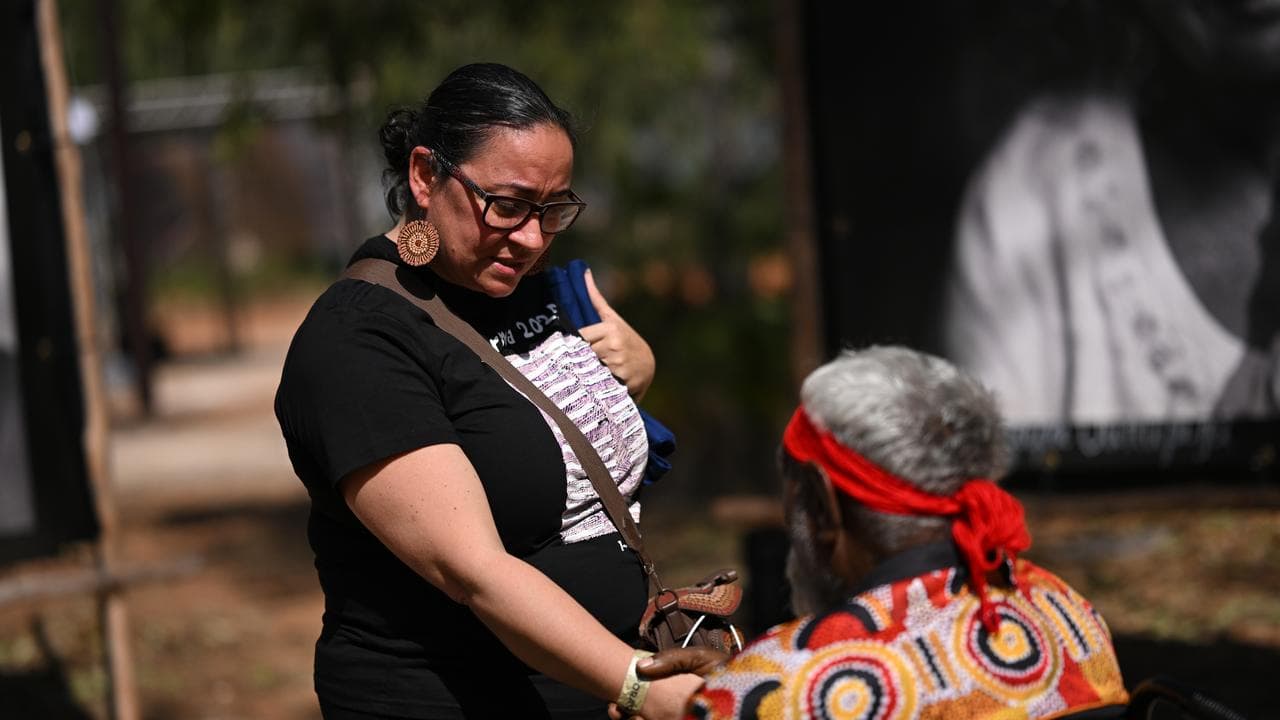
Victims of domestic and family violence were trying to to keep their families together and be good parents, she told AAP.
But sometimes the non-support of departments didn't facilitate that and mothers were punished by having their children taken away from them.
"So in a way she gets blamed for the fact she couldn't keep her children safe."
Removal of children from families must not become the response to governments failing to provide the housing, services, safety and support necessary to keep families together, Ms Kiss said.
13YARN 13 92 76
Lifeline 13 11 14
1800 RESPECT (1800 737 732)
Men's Referral Service 1300 766 491


