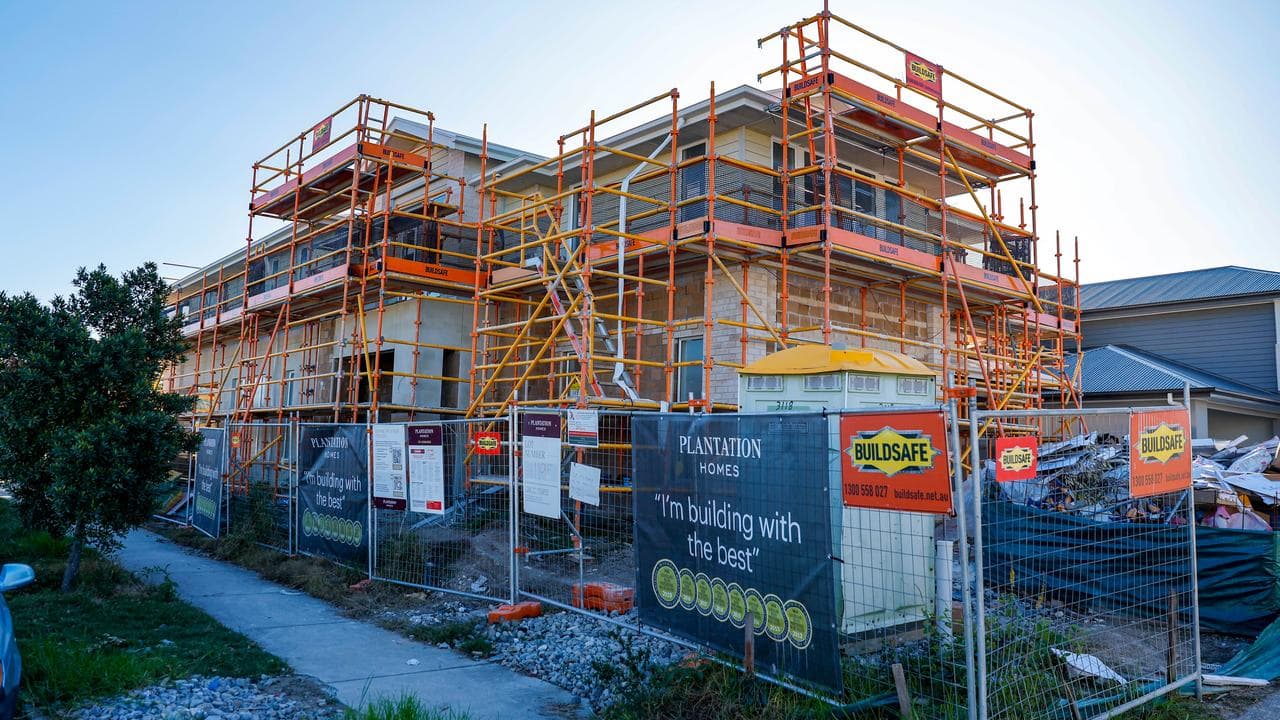
The Iran war could result in Australia building 33,000 fewer homes than planned, the government's independent housing adviser has warned.
Australia was making ground on its housing supply targets before the Middle East conflict broke out in late February, the National Housing Supply and Affordability Council found in its annual state of the housing system report on Thursday.
But the effective closure of the Strait of Hormuz, which send fuel prices sky-rocketing and disrupted supply chains for building materials such as PVC pipe, has severely impacted the housing sector.
"There is, particularly for smaller firms, an enormous amount of pressure on costs," council chair Susan Lloyd-Hurwitz told AAP.
Prior to the conflict, the council was estimating that Australia would build 980,000 new homes over the National Housing Accord period, which ends in June 2029.
The accord set an "ambitious" target of 1.2 million new homes over five years, which the sector had been lagging behind, but recent building approvals and commencements data showed progress was being made.
But the council now expects 33,000 fewer homes will be built over the accord period than previously assumed if the crisis persists and the increase in construction costs peaks at 10 per cent.
The impact could be even worse, Ms Lloyd-Hurwitz warned, as the council's modelling does not take into account consumer sentiment, reticence to borrow, and broader economic conditions.
Even as the supply outlook was looking brighter before the war, affordability continued to deteriorate, the report found.
The share of a median household's income needed to rent rose to a record-high 33.1 per cent in 2025.
The number of years needed to save for a 20 per cent deposit rose to 11.2 years.
Rental unaffordability has been driven by a chronic shortfall in supply, which has pushed vacancy rates far below long-run averages.
Nationally, just two per cent of the rental stock was available in 2025, according to the Real Estate Institute of Australia.
Single mum Rachael Jackson has felt just how unaffordable the private rental market is first hand.
After fleeing domestic violence, she and her three children have been in and out of homelessness.
Ms Jackson has struggled to afford a place to rent in Sydney's Northern Beaches as no social housing options offered to her was suitable for her family.
"We're exhausted, we just want stable accommodation," she said.
"The way the system is built is, if you go out and get work or get a pay rise, you lose your subsidy, so you're homeless anyway.
"So it's not built to help people in poverty get out of poverty; it's built to keep you trapped."
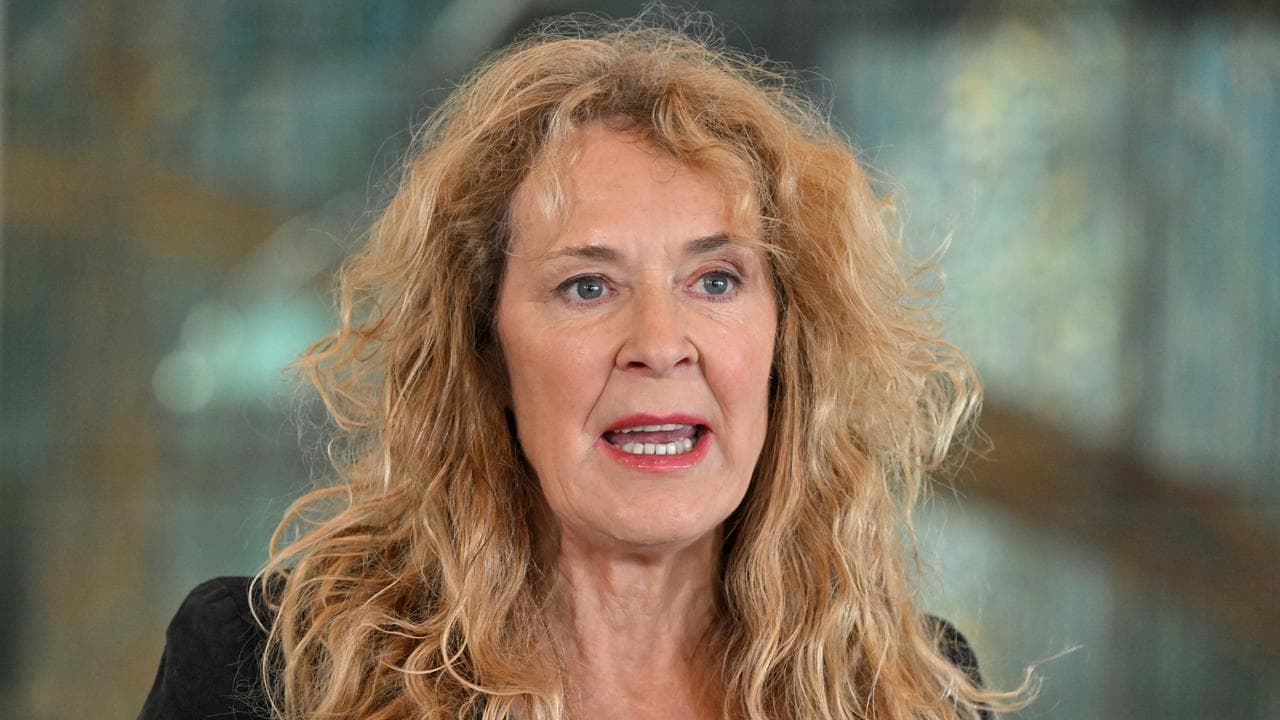
Community service group Anglicare Australia found that out of the 48,776 rental listings across the country on the weekend of March 14-15, just one was affordable and suitable for a single person on JobSeeker.
A rental property is deemed affordable if it takes up no more than 30 per cent of a household's budget.
Anglicare's rental affordability snapshot shows there are no options for low-income Australians in the private rental market, which has been built to benefit investors, said executive director Kasy Chambers.
She called for the government to rein in tax breaks for property investors and use the money to build more public housing, agreeing with Prime Minister Anthony Albanese that changes to negative gearing and the capital gains discount are needed to stem anger about intergenerational unfairness.
1800 RESPECT (1800 737 732)
Lifeline 13 11 14
Men's Referral Service 1300 766 491


