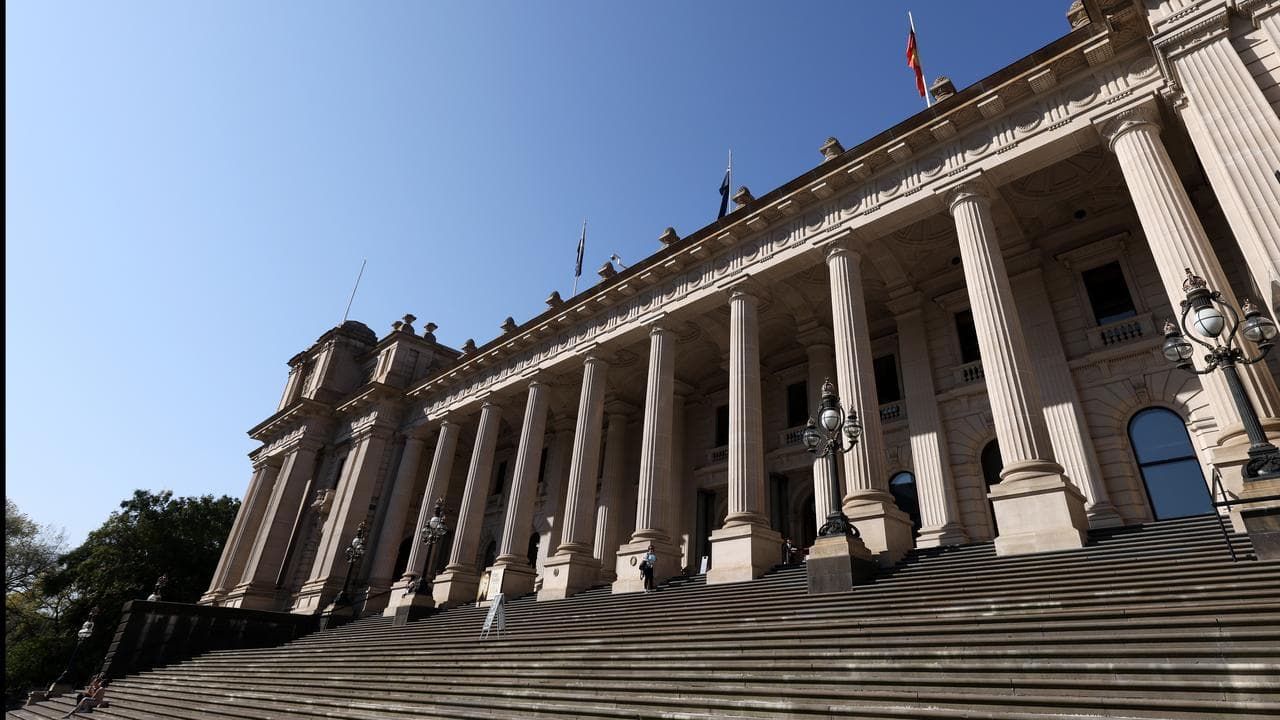
What was claimed
Victoria's treaty legislation gives an Indigenous body control over government decisions and government appointments.
Our verdict
False. The body will provide non-binding advice to parliament and can't veto all government appointments.
AAP FACTCHECK - An elected Indigenous assembly made permanent under Australia's first treaty laws won't control a state government's decisions or appointments, despite social media claims.
The First Peoples' Assembly of Victoria can provide advice on legislation affecting Indigenous people, but it does not have any binding powers over the parliament or government.
There has been a wave of social media misinformation about Victoria's treaty legislation, which passed parliament on October 30, 2025.
The Statewide Treaty Act 2025 legislation expands on the state's already established First Peoples' Assembly under a new authority called Gellung Warl.
In particular, it makes the assembly permanent and gives it advisory and consultation powers.
But one post claims the law gives the First Peoples' Assembly control over the government.
"Victoria has passed its undemocratic treaty with aboriginals that will give a new indigenous body control over government decisions," the Facebook post reads.
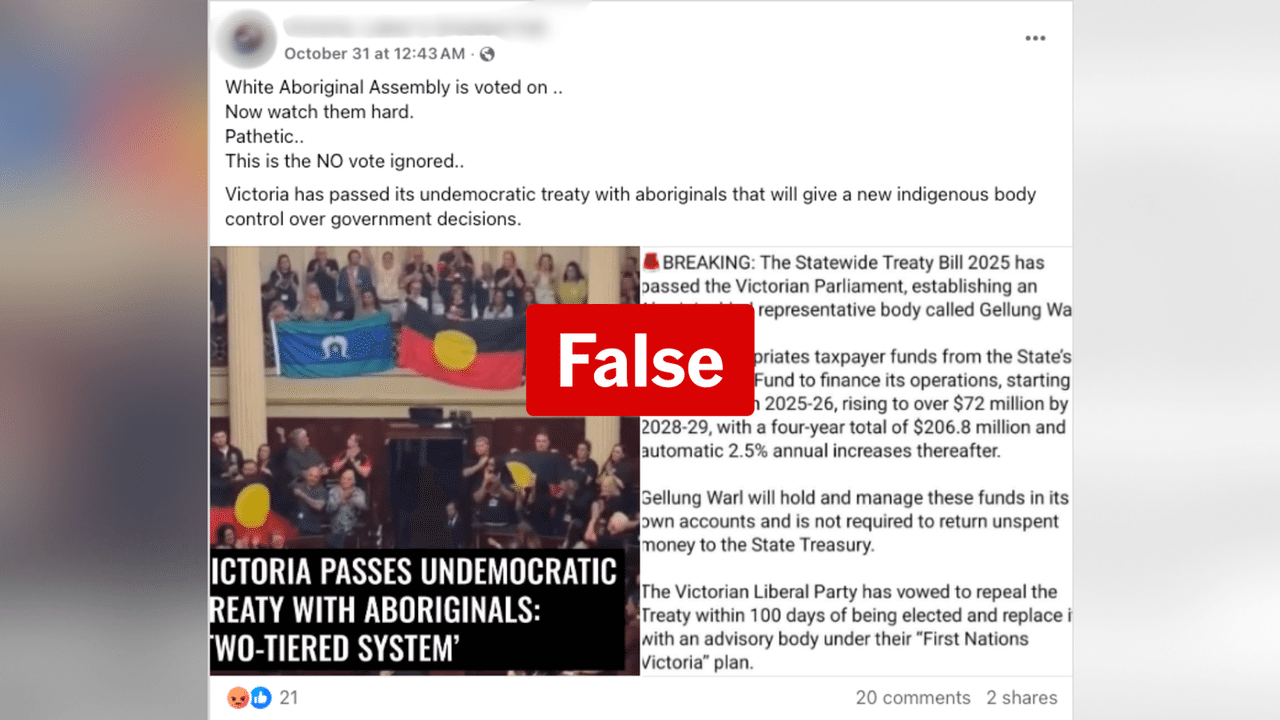
Another post claims the assembly will be able to veto all government appointments.
However, experts said the act does not give the elected advisory body binding powers over parliament, nor a veto over all government appointments.
The legislation requires bills introduced to parliament be accompanied with a "statement of Treaty compatibility".
This will outline whether the assembly was told about the proposed legislation and whether it's consistent with any advice given by the body (page 67).
Lee Godden, an Indigenous law expert at Melbourne University, said the body's role is to consult on legislation and policies directly affecting Indigenous communities. "The legislation does NOT override Government/Ministerial decision-making," Professor Godden told AAP FactCheck.
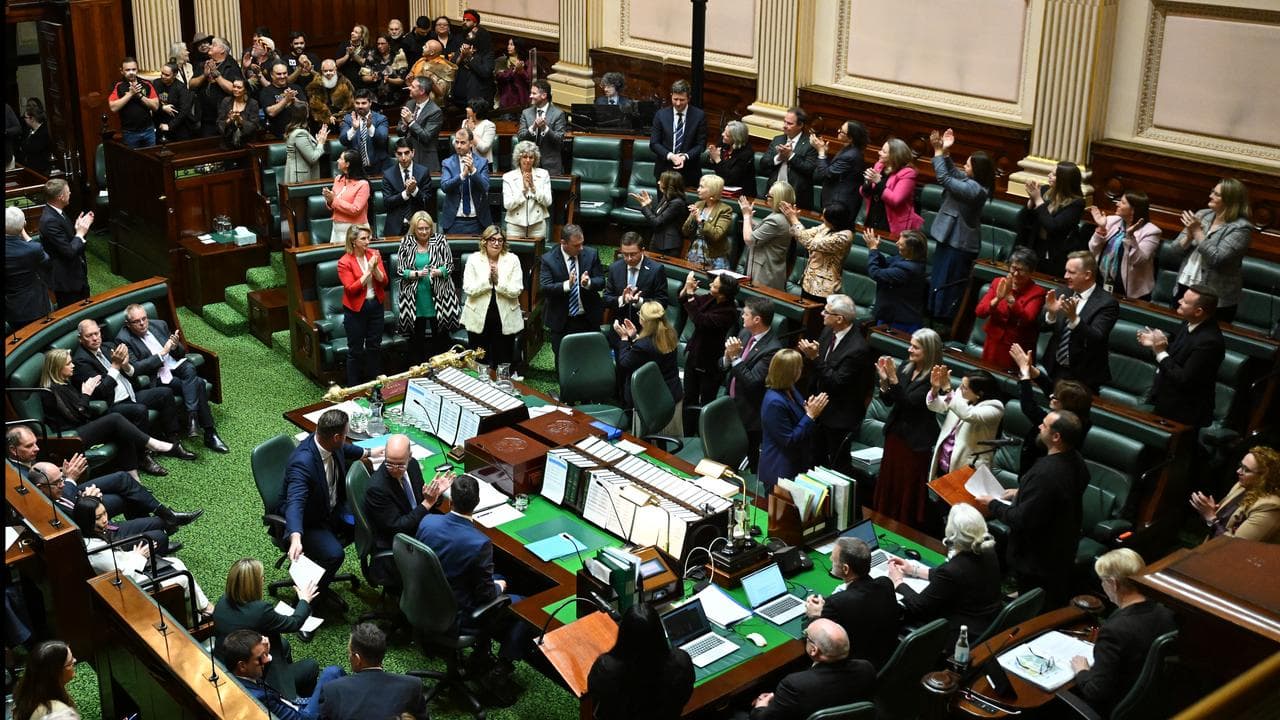
Jeremie Bracka, a law academic at RMIT University who leads a project on the truth-telling Yoorrook Justice Commission, said that under the law the assembly may be notified, provide advice, or report on matters affecting First Peoples, but this is non-binding.
He said Section 68 makes clear that any failure to consult the assembly does not affect the validity of legislation (p68).
"All legislative and executive authority remains with the Victorian parliament and government," Dr Bracka told AAP FactCheck.
Section 75 also confirms that the act does not limit the parliament’s powers (p72).
"Nothing in this act limits the power of a House of the Parliament to conduct its business," Section 75 states.
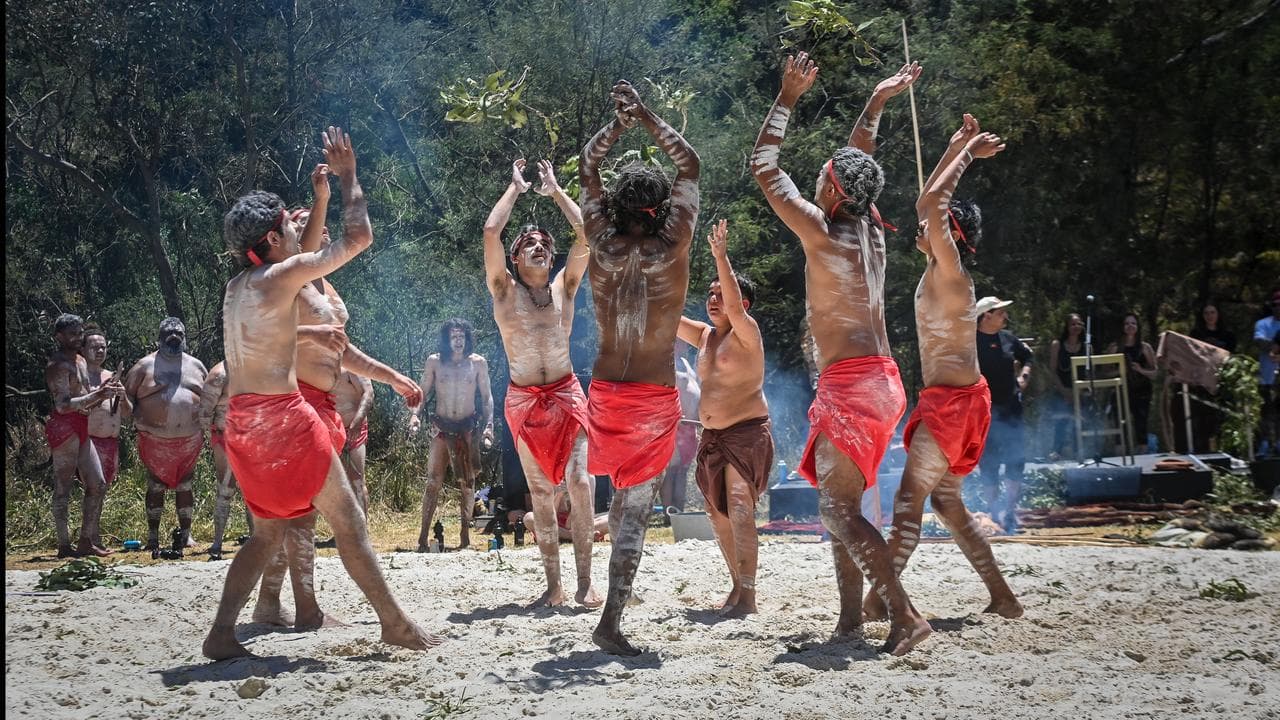
Dr Bracka said the statement of treaty compatibility is similar to the human rights statements that are already required when bills are introduced in Victoria under separate laws.
"Ultimately, the Bill embeds consultation with First Peoples, but decision-making remains entirely with parliament," Dr Bracka told AAP FactCheck.
The treaty legislation does not grant the assembly veto power over any government appointments, either.
However, it does have the authority to make appointments to the First Peoples' Assembly (p58) and other bodies such as First Nations positions on the Heritage Council.
But the act does not give the assembly control or veto power over all government appointments.
AAP FactCheck is an accredited member of the International Fact-Checking Network. To keep up with our latest fact checks, follow us on Facebook, Instagram, Threads, X, BlueSky, TikTok and YouTube.


