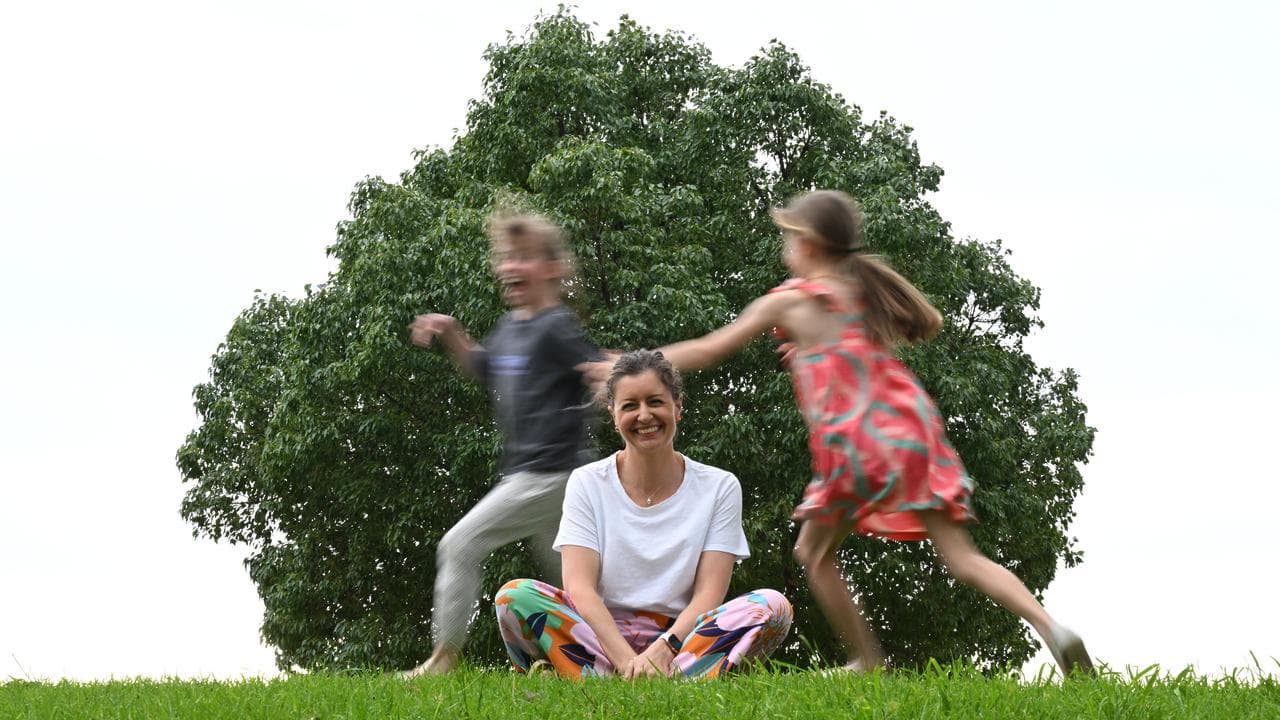
Kelly Gordon knew the other women lifting their babies from car seats and carrying them into mothers' group on in their arms had their own challenges.
But as she arrived with twins, "a hundred bags and a giant double stroller", she couldn't help wishing it could be that simple for her.
One of her daughters had suffered a serious brain injury after a traumatic pregnancy and premature birth, and her days had become a relentless cycle of medical appointments and worry.
Even leaving the house with the twins required planning and equipment.
"I just sat there thinking, 'Good god, I would give anything for that experience that you had'," Kelly tells AAP from her home in Melbourne.
"It was very hard to relate."
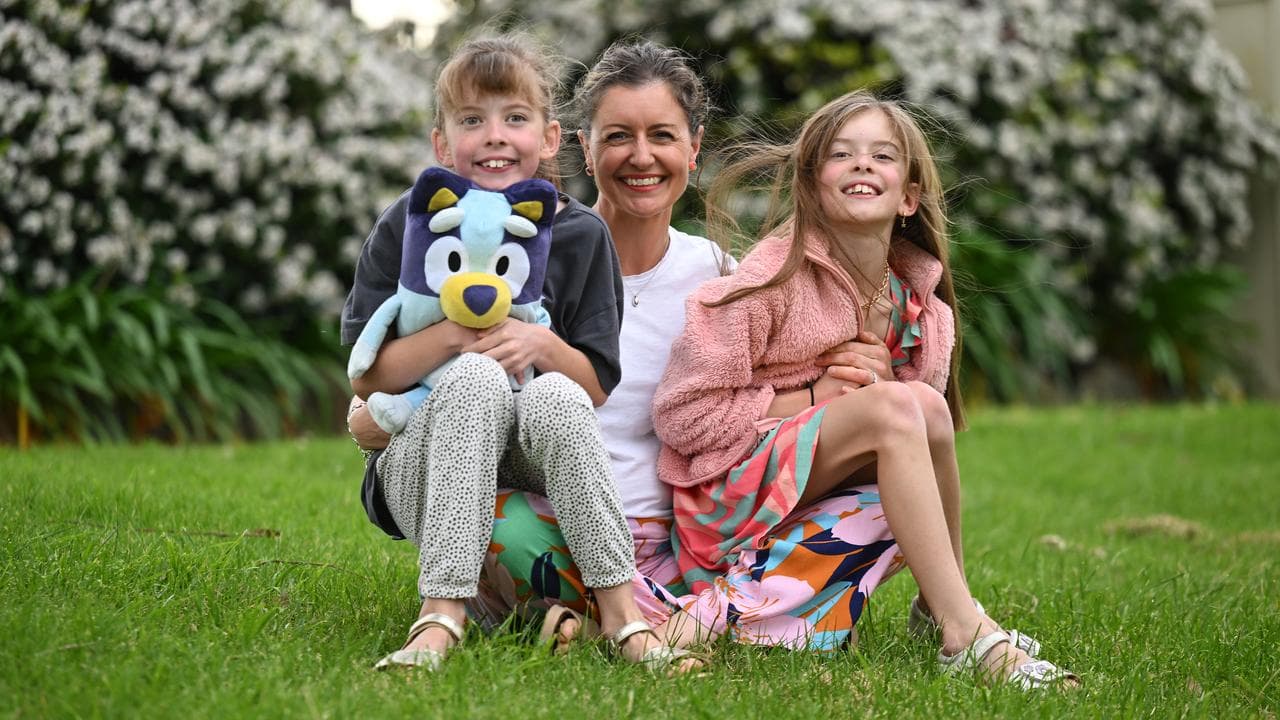
She went along twice.
"Then I just thought, 'This is not for me. I can't keep coming to this'.
"It was really, really upsetting. I was so incredibly lonely."
It was hardly the introduction to motherhood Kelly imagined during the years she and husband Troy spent trying to conceive.
When IVF finally worked and an early scan revealed identical twins, the news felt particularly special and lucky.
The babies shared a placenta, making the pregnancy high risk, but after reaching the end of the first trimester Kelly finally felt able to relax enough to tell colleagues and extended family.
Then, two weeks later, the bubble burst.
Doctors told her the twins had developed twin-to-twin transfusion syndrome, a serious complication in which blood flows unevenly between babies sharing a placenta.
One was receiving the vast majority of the blood and heading towards kidney and heart failure. The other was being starved of oxygen.
After a very risky in utero surgery at 22 weeks gestation, the twins arrived very early at only 28 weeks.
Agnes and Evelyn were delivered by emergency caesarean section, each weighing about 1.3kg, and began almost three months in neonatal intensive care.
Evie made relatively smooth progress.
For Agnes, a routine cranial ultrasound at two weeks revealed a brain bleed and concerning white matter changes.
She was eventually diagnosed with extensive periventricular leukomalacia, or PVL.
The doctors were unable to say whether she would ever walk or talk.
The months that followed were isolating in a different way.
Troy continued working full-time, saving his parental leave for when the girls came home, while Kelly spent her days in the NICU.
Her life revolved around sterilising equipment, expressing milk every two or three hours and getting whatever time she could holding her babies.
NICU proved a difficult place to make friends with everyone there dealing with so much.
"It's very tricky to form relationships and navigate that," Kelly says.
"So you are quite siloed."
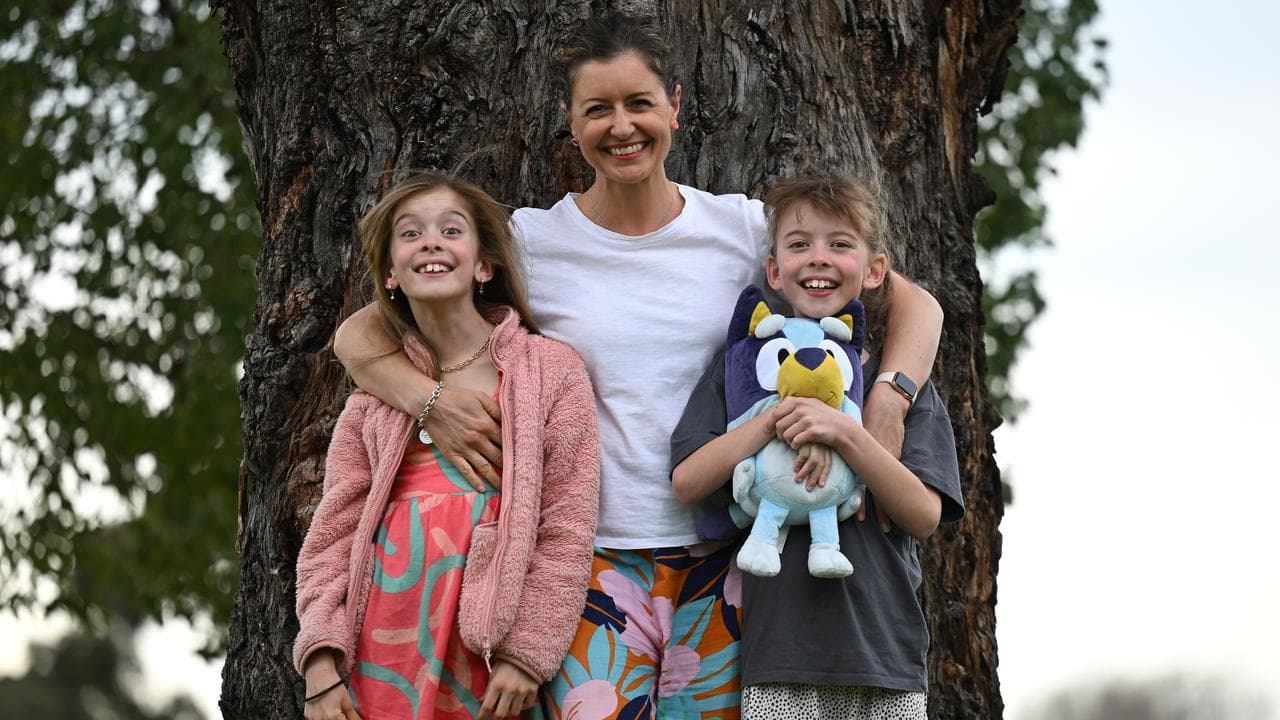
Once home after three months, the NICU routine was replaced with three or four medical appointments a week as Agnes' symptoms made themselves known.
Kelly became increasingly anxious and convinced she and her husband were the only people capable of safely looking after their girls.
It meant her network of support felt small.
By the time the twins were six months old, Kelly says, she "just completely fell apart".
She sought psychological help but what she didn't yet have was a community of parents who understood the life she was living.
That eventually came after one of Agnes' speech therapists suggested Brainwave Australia.
Attending their events, Ms Gordon discovered what it felt like not to have to explain.
Nobody "batted an eyelid" at Agnes' large ankle-foot orthotic, her difficulty speaking or her wheelchair stroller.
Instead, parents compared notes.
"It was 'Oh, where did you get your orthotic from? Oh, where did you get those long socks?'" Kelly recalls.
"It was finding, you know, like-minded peers."
Brainwave later began connecting the mothers who lived near one another and she was able to meet for lunch with a group few months.
There have been family days out - Agnes and Evie love outings that involve Luna Park and "having a sausage in bread".
But Kelly believes she has benefited most.
It was the community she had been missing since those first lonely months.
Nine years on, Agnes and Evie are colouring at the table while their mum speaks to AAP.
Agnes is "very, very happy, super resilient, brilliant and funny", Kelly says. She likes to ride her modified trike and "could talk underwater" despite her significant speech impediment.
She and Evie are thick as thieves and Evie is Agnes' most proficient translator.
"They are completely delicious together. Very, very gorgeous, very, very close," Kelly says of her twins.
Brainwave Australia, which is marking its 30th anniversary this year, is holding its Ride for the Kids cycling challenge throughout October to raise money for children with brain conditions and their families.
Two of cycling's mot recognisable names are on board for the event.
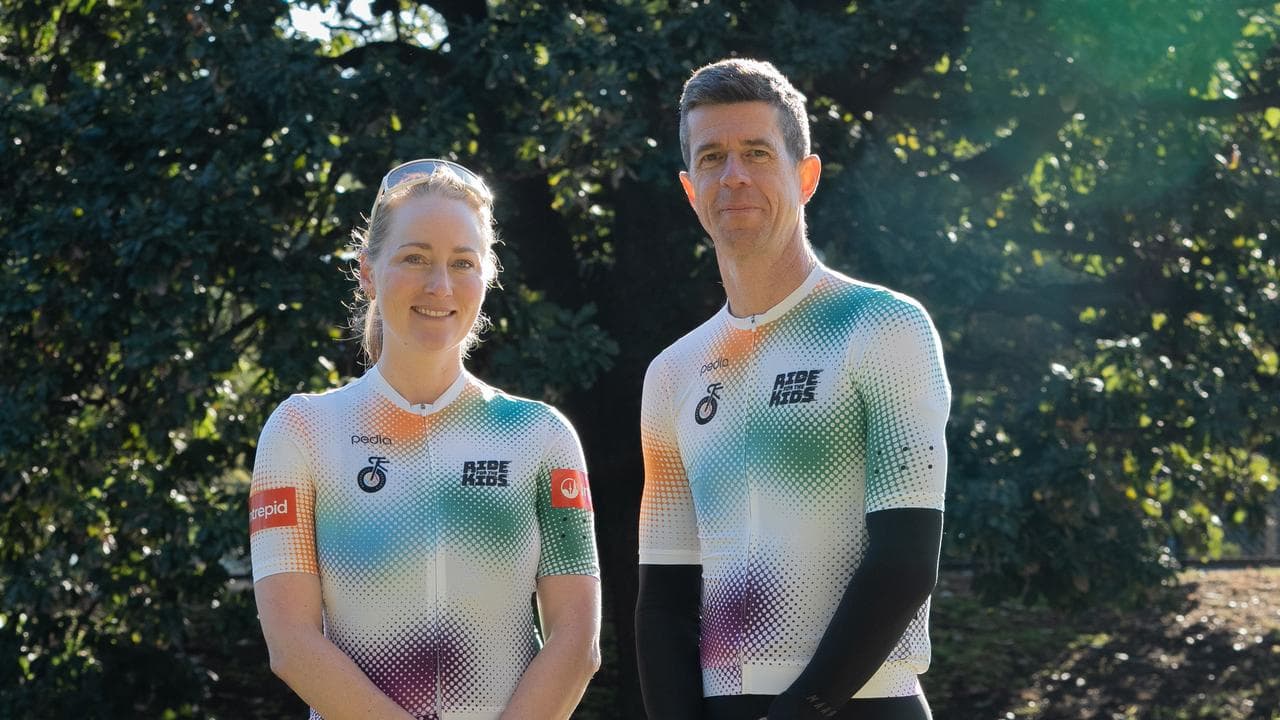
“As someone who’s gained so much from cycling, I’m passionate about using it to give back," says duel Olympian Gracie Elvin.
"Ride for the Kids is a chance to do something powerful, while also doing something you love.”
For fellow ambassador and commentator Matt Keenan, every kilometre of the challenge will count.
"I’m riding to help kids with brain disorders get the support they deserve and I hope you’ll join us.”
Kelly urges new parents in need to reach out to Brainwave as soon as they can - the support provided is something she wishes she found much earlier.
"Trying to do it alone is impossible," she says.
"Connection with other families and knowing you aren't the only family experiencing those circumstances is really, really important."


