Housing stock is going backwards and won't improve unless planning approvals for higher density are easier in every capital city, a report warns.
While the federal government celebrates the early success of a scheme getting more buyers into their first homes, progress could grind to a halt unless more homes are built where people want to live.
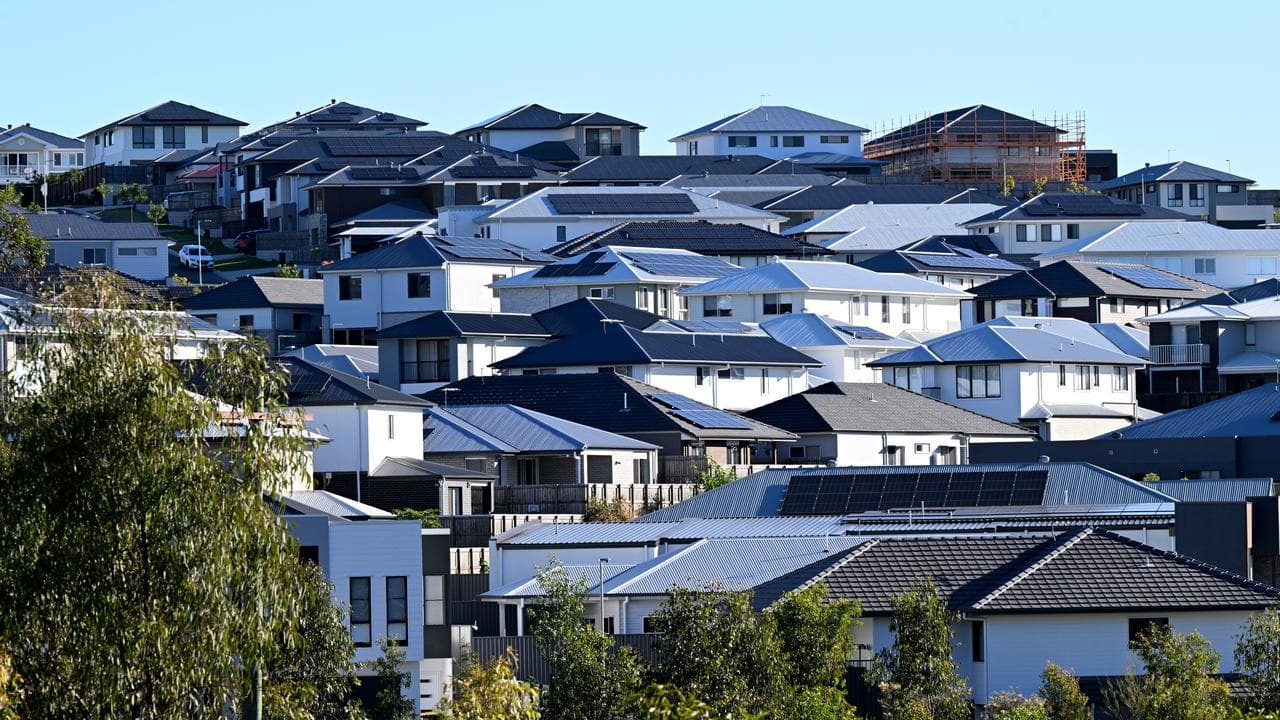
Australia's capital cities are among the world's least dense and restrictive zoning is failing to keep pace with rapidly rising housing demand, a Grattan Institute report has found.
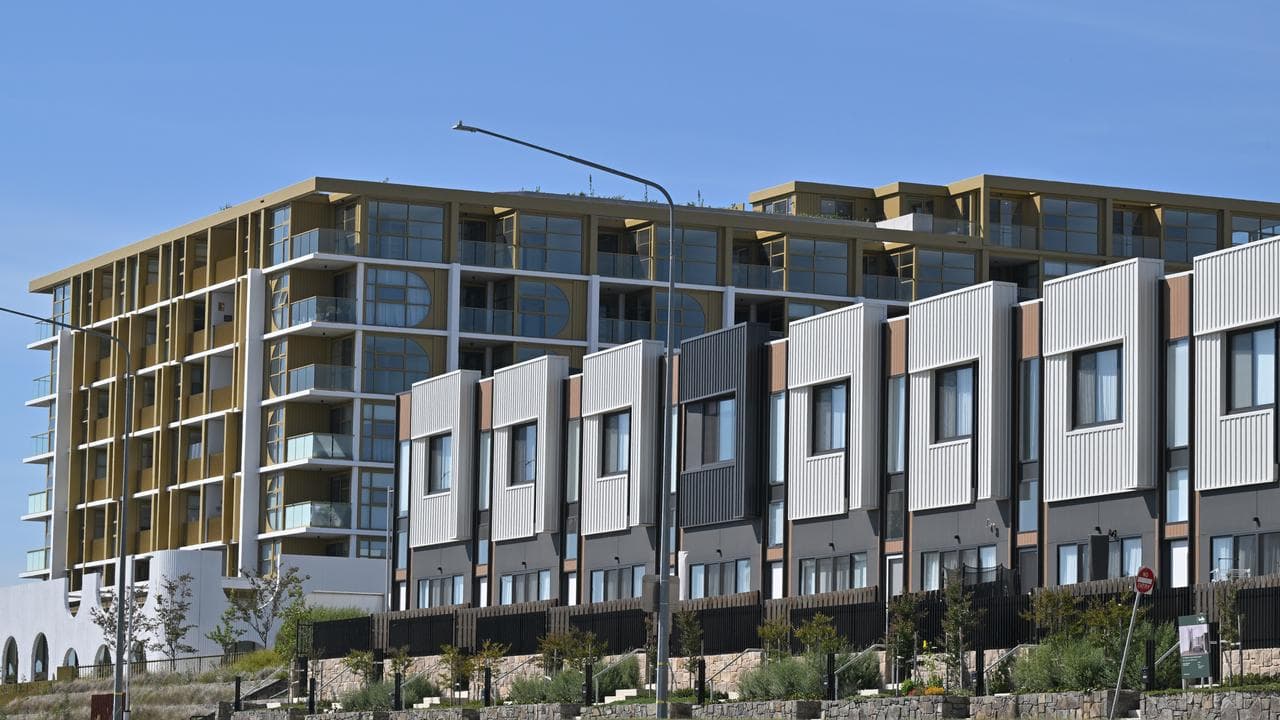
It proposes a low-rise housing standard allowing three-storey townhouses on all residential-zoned land in capital cities, creating the capacity for one million new homes in Sydney alone.
A mid-rise housing standard of six or more storeys around transport hubs should also be the norm, lead author Brendan Coates said.
"The key problem is that state and territory land-use planning systems say 'no' to new housing by default, and 'yes' only by exception," he said.
States have tried to reform their planning processes to increase density in their capitals, including Victoria's Townhouse Code and the NSW Transport Oriented Development program.
But the institute's housing report says these do not go far enough and most states are not on track to build enough homes to meet federal targets.
The NSW government defended its housing proposals, saying the report advises other states to model reform on their policies.
"These initiatives and reforms have turned the housing pipeline around allowing greater density in well-located areas," NSW Planning Minister Paul Scully said.
Pro-development groups celebrated the report's proposals, saying low-density zoning and heritage areas in inner-city councils are stifling much-needed house building.
As supply challenges bite harder, a federal scheme is getting more people into their first homes while also increasing demand.
Nearly 2000 more houses were purchased in October compared with the same month in 2024 after the expansion of the federal government's five per cent deposit guarantee for first-home buyers.
But scepticism lingers that the scheme will not help nearly as many people as first thought, especially those on lower incomes.

The extra homeowners observed in October reflect a middle-income cohort likely to have eventually bought a home regardless of government intervention, Mr Coates said.
"The effect of the expansion on the rate of home ownership in Australia will be basically zero," he told AAP.
"You're putting the government's balance sheet at risk for people who are frankly going to buy a house anyway."
Getting more people to buy houses through the scheme was a fulfilment of government promises to help struggling first-home buyers, Housing Minister Clare O'Neil said in a statement.


