
Reserve Bank board members were split on whether to lift interest rates for fifth time in a year.
But with some insight into why some of them held out to be revealed, fresh figures could soon force the central bank to lift rates even further.
Minutes for the Reserve Bank's November meeting will be released on Tuesday and will lay out in detail the reasons for the decision to boost the cash rate to 4.85 per cent, the highest level in 18 years.
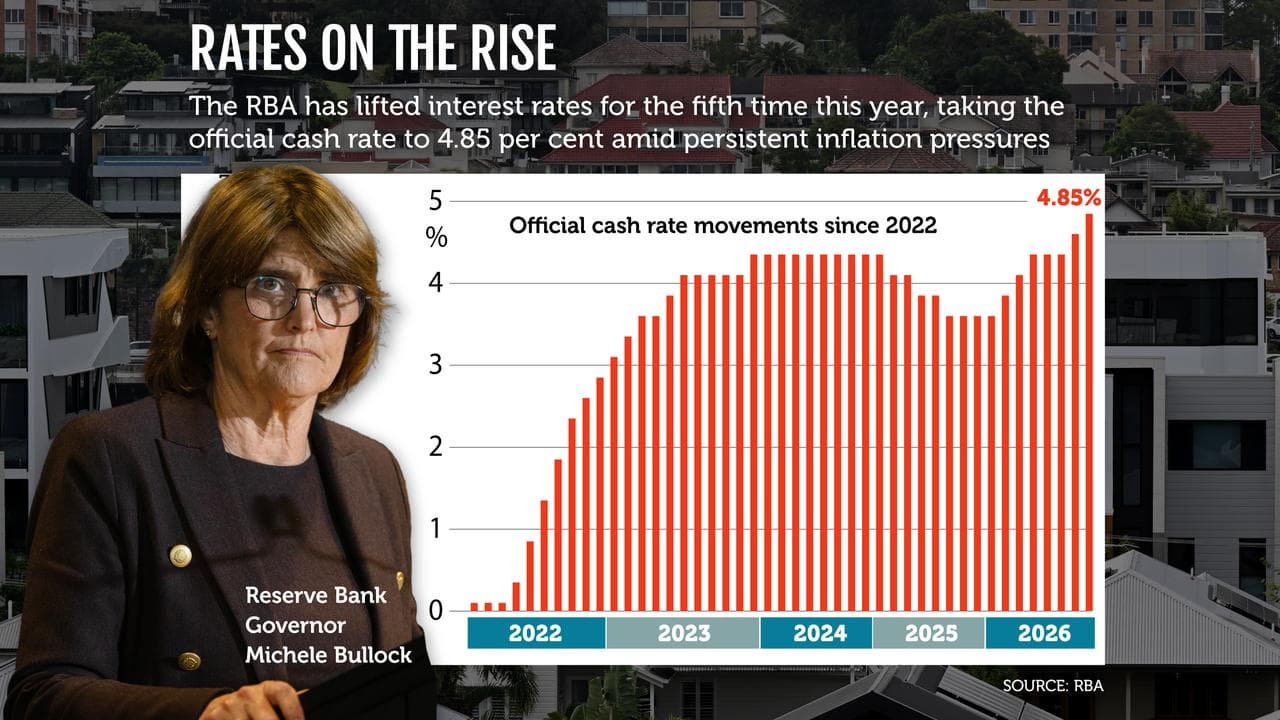
Of the nine board members who set the cash rate earlier this month, three voted against a hike.
At the time of the decision, governor Michele Bullock said while the vote was not unanimous, further hikes could not be ruled out.
"It is critical that we stop expectations for high inflation from becoming embedded in price-setting decisions across the economy or the problem will only get worse," she said at the time.
Two key pieces of data being released later in the week will paint a clearer picture of how the economy is tracking and whether a successive increase to the cash rate was on the cards.
Labour force data for October will be handed down on Thursday, with economists tipping the unemployment rate to remain stable at 4.7 per cent.
NAB economist Josh Copeland said employment growth would likely be above 20,000 jobs for the month.
"The soft September print tested the narrative that higher unemployment had been supported by a labour supply response and higher participation," he said.
"While we expect an ongoing trend increase in the unemployment rate, we pencil in some more stability in the October release."
The RBA earlier in November revised up its forecast for unemployment to five per cent by 2028.
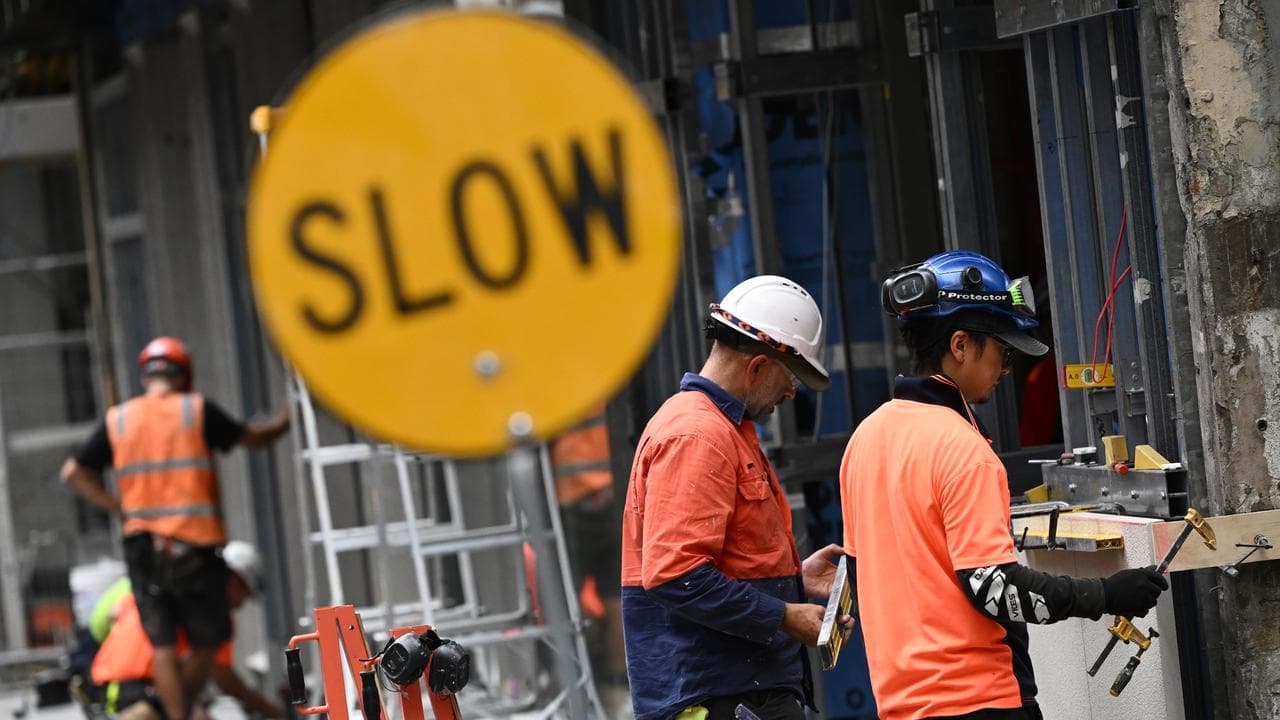
However, Mr Copeland said a softer labour market was more likely compared with RBA forecasts.
"It would take a big surprise in October for (the RBA) to reassess their labour market outlook," he said.
September quarter wage data will also be published on Wednesday, with expectations of a 3.4 per cent rise in pay packets year on year.
Figures from the June quarter showed a 3.2 per cent increase, driven by raises in state public sectors.
Mr Copeland said the likely September increase in wage figures would be driven by the 4.75 per cent rise in the minimum wage, which kicked in at the start of the financial year.
"Additional support is expected from public sector wages, driven by a pay level adjustment for NSW nurses and midwives award," he said.
Real wages, or the level of pay compared to the rate of inflation, was revised down by the RBA, going backwards one per cent in 2026.
Concerns about AI and computing behemoth Nvidia have meanwhile pressured Wall Street technology shares, while a reading on inflation failed to alter investor expectations for more US rate hikes.
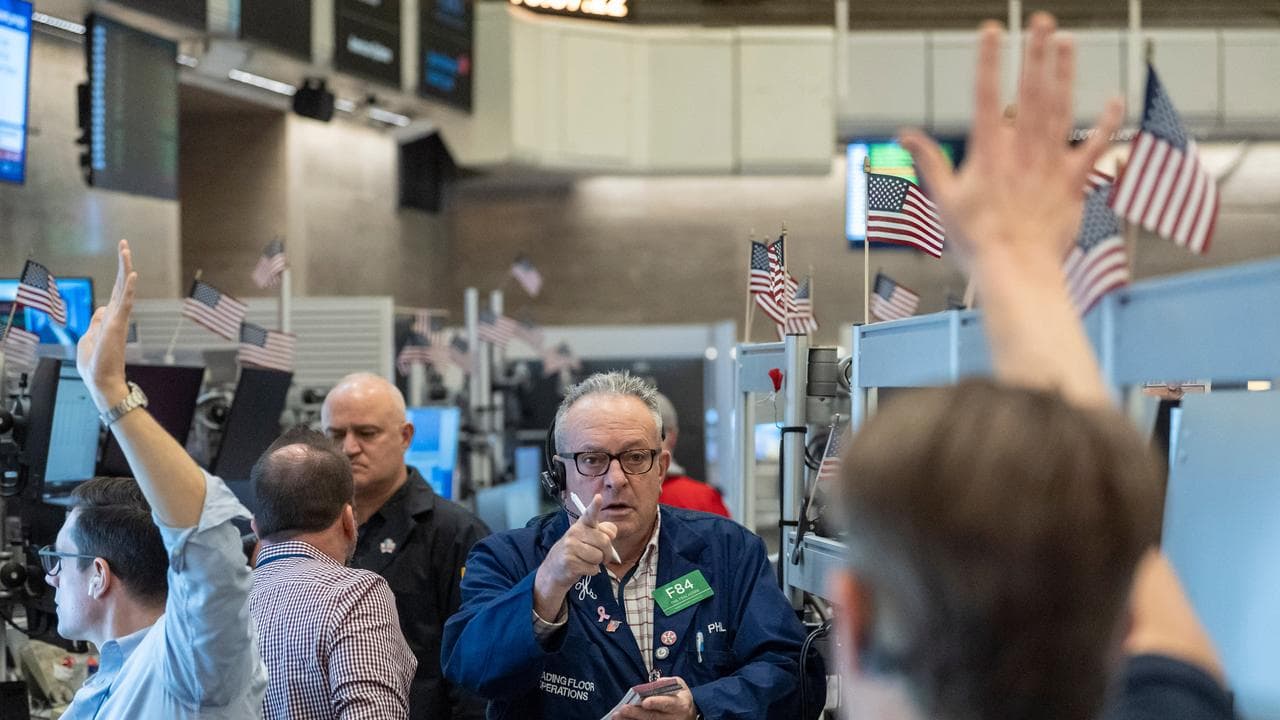
The S&P 500 lost 0.42 per cent, to close Friday at 7,560.87 points, while the Nasdaq Composite lost 0.91 per cent, to 25,135.96. The Dow Jones Industrial Average rose 0.09 per cent, to 52,343.23.
Australian share futures slipped 14 points, or 0.15 per cent, to 12,962.
The S&P/ASX200 fell 64.6 points on Friday, down 0.71 per cent, to 9082.2, as the broader All Ordinaries lost 69.7 points, or 0.75 per cent, to 9204.5.


