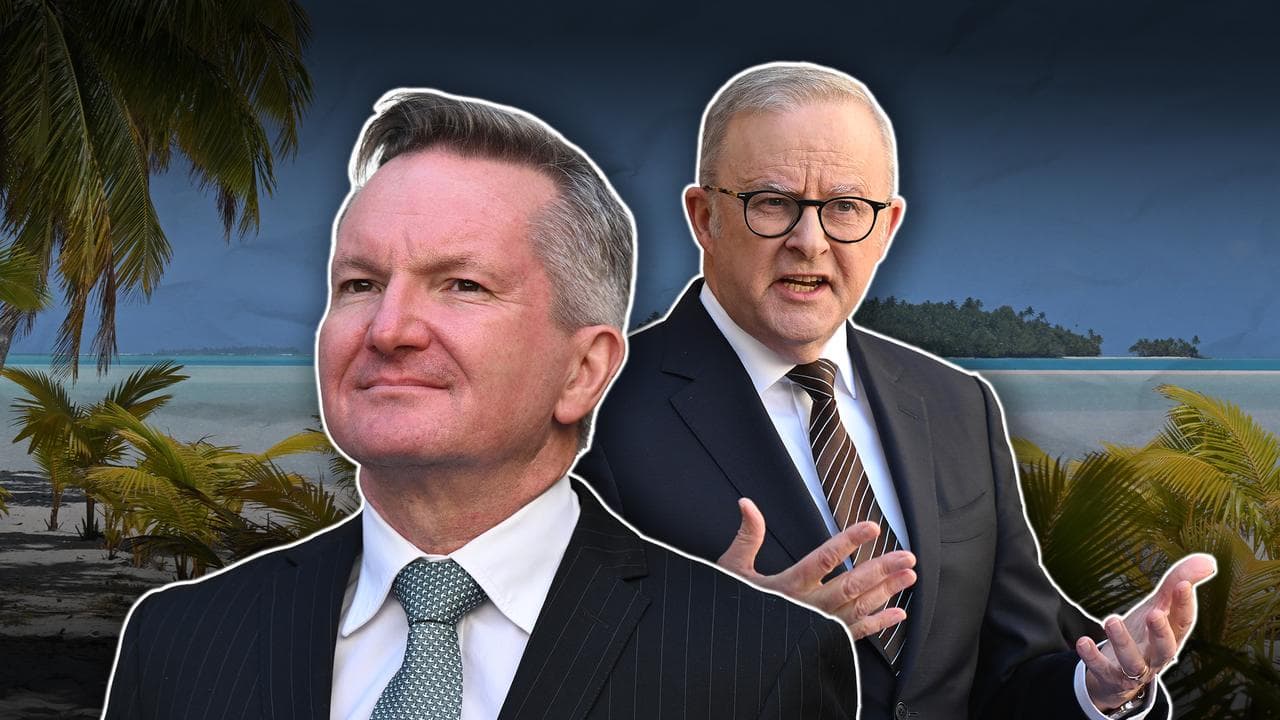
With almost 300 ministers and 91 world leaders among representatives from 196 nations expected at the United Nations’ annual climate talks, Australia faces a monumental task in getting everyone to agree.
As COP31’s president of negotiations - a role created after Australia withdrew its bid to host the event - Climate Change Minister Chris Bowen will oversee the negotiating agenda.
This will involve leading discussions on some 60 mandates and more than 100 agenda items, rallying consensus among vastly different countries and securing agreement on a “cover decision” endorsed by all.
The talks come as the world faces an energy security crisis due to conflict in the Middle East, a strong El Nino raises the risk of extreme weather events and scientists warn the world is on track to overshoot its 1.5C warming target.
Climate Action Network Australia strategy director Kathryn McCallum describes the challenge as “a huge, three-dimensional game of chess, with thousands of conversations all happening simultaneously”.
But environmental groups and academics warn Australia will face additional challenges at the event, including representing the needs of its Pacific neighbours while defending its reliance on fossil fuel exports.
Australia cannot credibly tell other nations to phase out fossil fuels, they say, while approving more coal and gas projects at home.
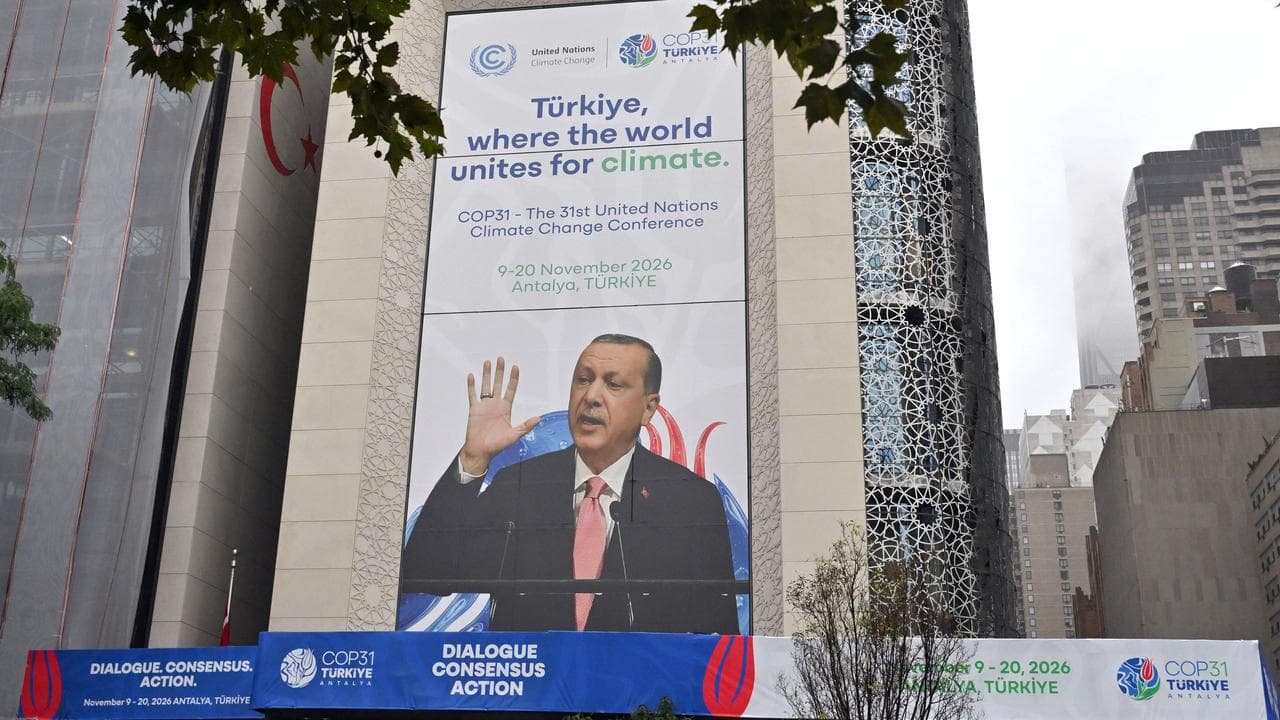
The 31st Conference of the Parties will be held over two weeks in Antalya, Turkey, from Monday, bringing nations together to negotiate action to limit global warming and respond to climate change.
Past meetings produced the Kyoto Protocol in 1997, which set greenhouse gas emission reduction targets, and the Paris Agreement in 2015, which established a global goal to limit warming to 1.5C.
This year’s summit is unlikely to set a new agenda but focus on implementing existing commitments, University of Melbourne law professor Jacqueline Peel says.
However, Turkey and Australia’s plan to issue an overarching statement at the end of COP31 hints at greater aspiration.
“The decision to have consultations really early around what goes into the cover decision is really interesting and does suggest some level of ambition about things that they might want to get into,” Prof Peel says.
“It’ll probably not be new commitments, though; it’ll probably be language … on things like the importance of the 1.5C goal, the importance of delivery on commitments around phasing out fossil fuels, the way forward in terms of electrification.”
The event’s negotiating agenda includes cutting greenhouse gas emissions, transitioning away from fossil fuels, overseeing carbon markets, funding climate projects in developing nations and assisting countries suffering climate impacts.
Its action agenda will also target cuts to methane and waste, and measures to boost electricity to 35 per cent of final global energy consumption by 2035 - a pledge neatly known as "35 by 35".
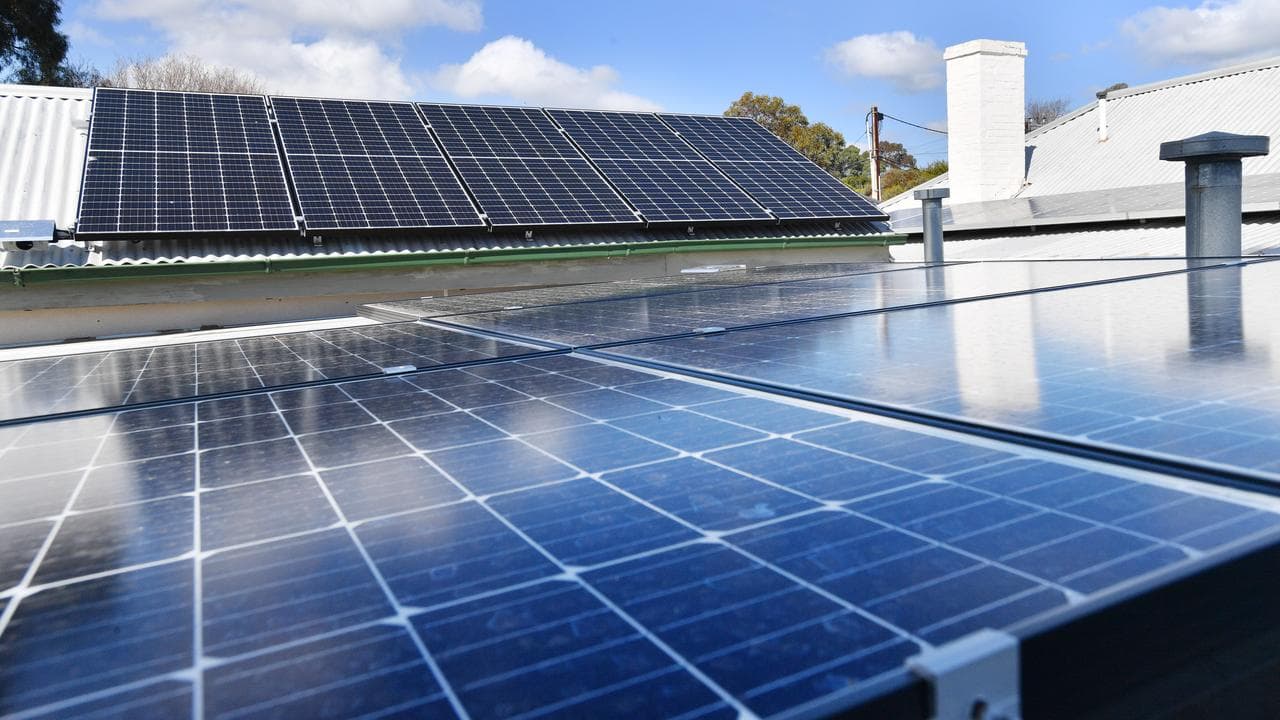
Australia is well-placed to contribute to these discussions, Monash University Climateworks Centre sustainable economies system lead Kylie Turner says, given its large investments in renewable energy and world-leading adoption of rooftop solar.
She says "35 by 35" could be well-received by other nations amid rising oil prices and ongoing cost-of-living pressures.
“Electrification stands to be a way that you could actually limit exposure to price volatility on liquid fuels and in the current environment, that's obviously very attractive,” she says.
Developing nations will need financial assistance to upgrade their grids and meet the electrification goal, Ms Turner says, in addition to building renewable energy projects.
“Finance is a very, very big measure,” she says.
“It comes down to resolving the trust gap between developed and developing countries and their responsibilities, and that very frank conversation that needs to happen.”
Pacific nations are counting on Australia to raise these issues at COP31 and represent their interests, Alliance for Future Generations Fiji spokeswoman Litiana Lagibalavu says.
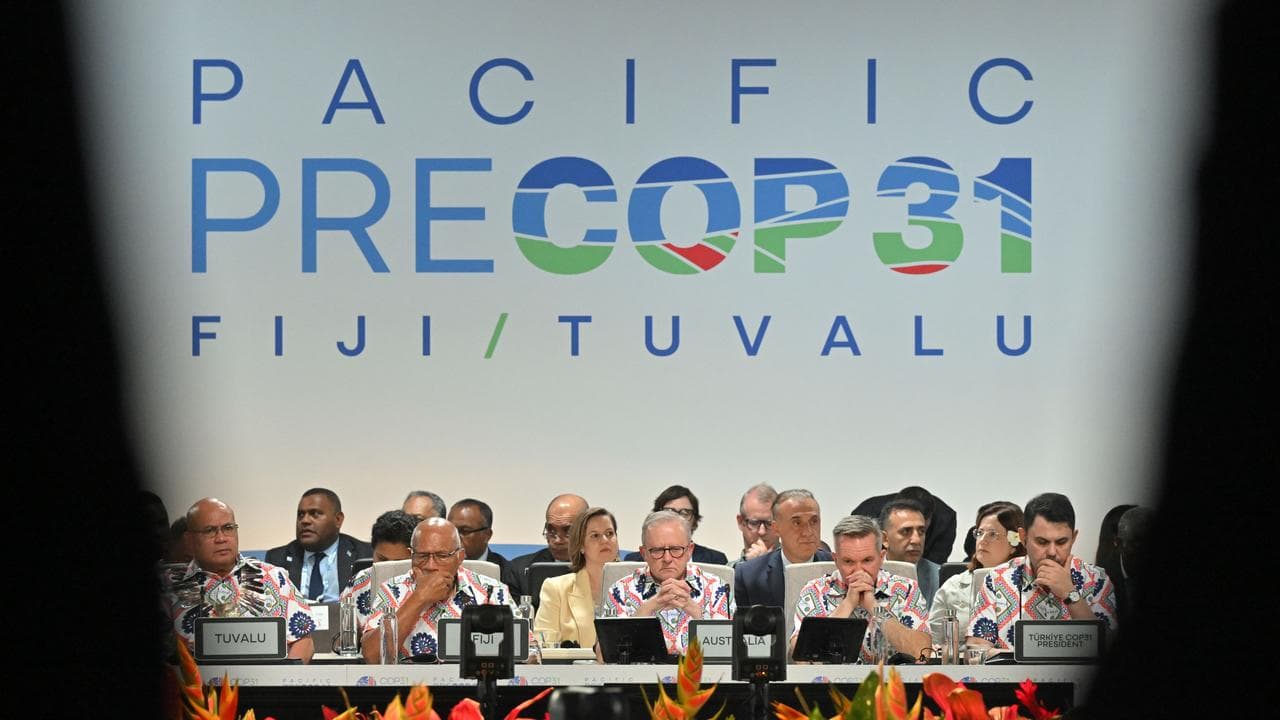
The region set a strong agenda at the pre-COP event in Fiji and Tuvalu, she says, and wants more equitable climate finance, efforts to draw a line at 1.5C of global warming, prevent the expansion of fossil fuel projects and consider oceans.
“The world likes to call us small island developing states but we like to think of ourselves as large ocean states,” Ms Lagibalavu tells AAP.
“Our Pacific Ocean makes up a third of the planet and our ocean regulates the climate of the planet.
“We are hoping the conversations around the climate and ocean nexus are also being prioritised at this COP.”
One of the biggest sticking points, Ms Lagibalavu says, is likely to be a transition away from fossil fuels.
COP30 host Brazil issued a road map on Tuesday outlining how countries can manage a fossil fuel transition but it does not specify deadlines.
Ms Lagibalavu says Australia should not only support an international transition away from fossil fuels - it should curtail its exports.
“Yes, Australia can position itself and has positioned itself as a president of negotiations at this COP but it is their actions back home that will reflect whether that leadership is of merit, is of substance and is genuine, or whether it's just performative,” she says.
“The bullet wound is the expansion of fossil fuels and the continuation and the increasing projects that are being approved around coal, oil and gas.”
Ms McCallum says Australia can address the apparent contradiction by rejecting three applications before the federal government.
They include the Browse gas development in Western Australia, Beetaloo gas fracking in the Northern Territory and the expansion of the Hunter Valley Operations coal mine in NSW.
Without addressing domestic fossil fuel production, she says Australia could appear compromised.
“As COP31 president of negotiations, Australia has this opportunity to broker co-operation that meets the moment,” she says.
“But if you're talking about limiting overheating, and then at the same time you're approving new coal and gas projects, it doesn't pass the pub test.”


