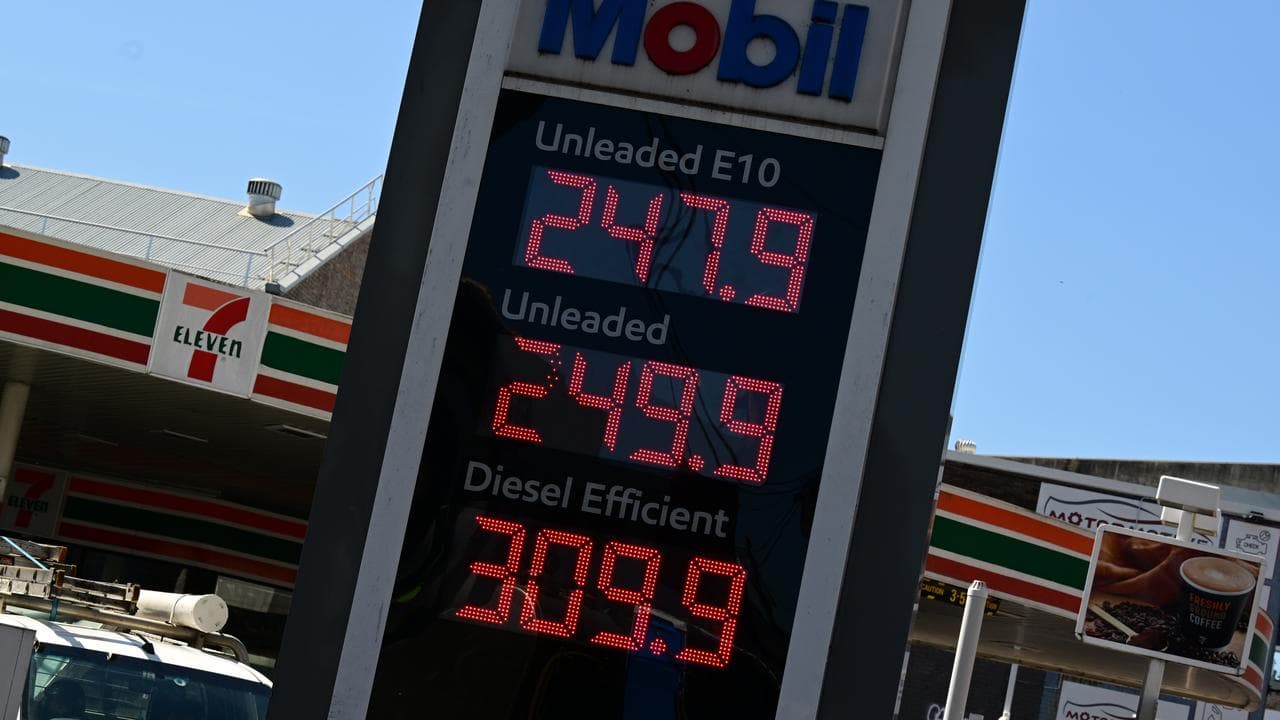
Drivers are being urged by Australia's leading motoring organisation to use the “undersold” E10 fuel as both petrol and diesel prices continue to climb.
On Friday, the Australian Competition and Consumer Commission reported average diesel prices across the five largest cities hit 303.5 cents per litre — up 27.8 cents, or 10 per cent, in just one week.
Petrol prices also rose by 18.1 cents to 252.2 cents per litre.
The trend was even more pronounced in regional Australia, where diesel prices averaged 307.6 cents per litre, a 28.6 cent weekly jump.
The commission's deputy chair Mick Keogh said the regulator remained concerned about ongoing supply pressures affecting both metropolitan and regional areas.
“We’re continuing to watch the fuel market very closely… through this very volatile period,” he said in a statement.
Among the capitals, Hobart recorded the highest petrol prices, while Brisbane was the cheapest.
Diesel prices were highest in Canberra and lowest in Perth, with Brisbane having the sharpest weekly increase.
NRMA chief spokesman Peter Khoury encouraged drivers to use E10 fuel as an alternative to regular unleaded petrol, adding that it was undersold because of a misconception that it was bad for engines.
"If your car can take E10, please consider using it. It's safe for the engine and it is an undersold fuel," he told reporters in Sydney.
The average price of regular unleaded fuel in Sydney is 244.3 cents per litre, while E10 unleaded was 227.6 cents per litre, according to NRMA research published this week.
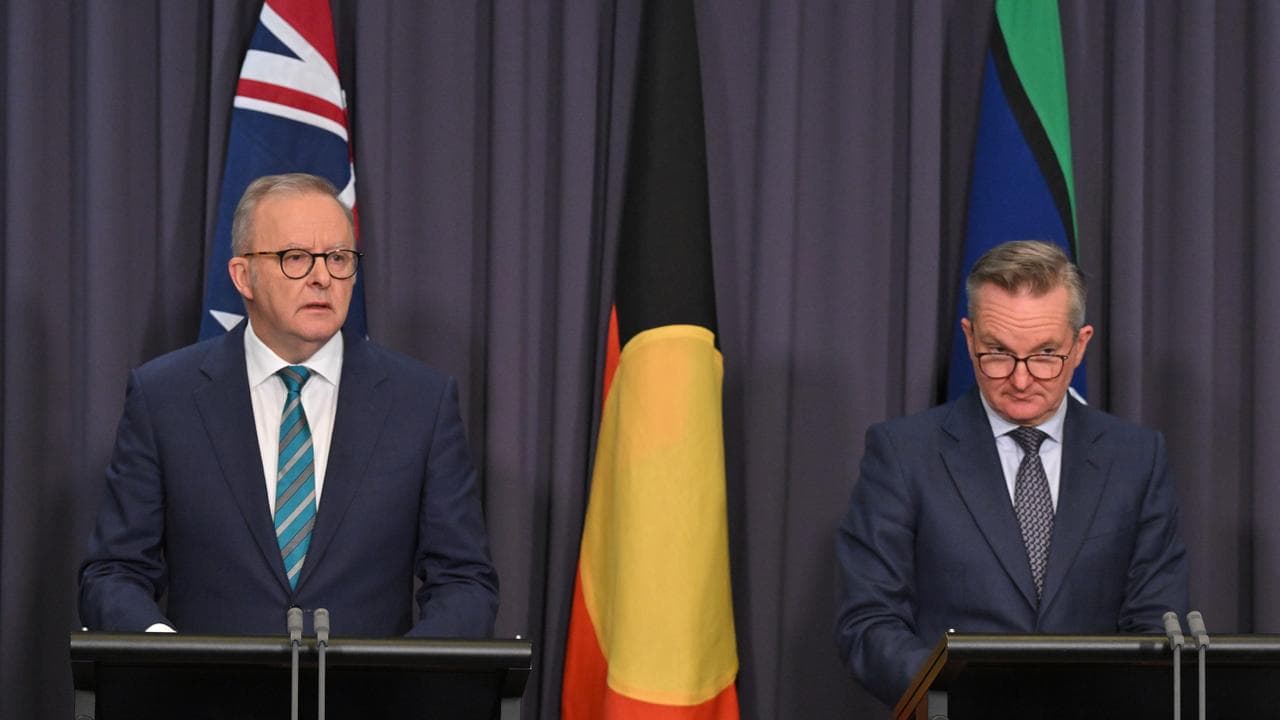
Prime Minister Anthony Albanese reassured Australians there will be a government-co-ordinated national response to the fuel crisis, but he did not announce any new measures on Friday.
He said fuel supply looked good for the short term, but the US-Israel war on Iran was affecting Australia.
“The war is real. The war is having an impact on Australians, like it’s having an impact right around the world,” he told reporters.
Mr Albanese will meet with state and territory leaders on Monday for a national cabinet meeting on the fuel crisis.
Six fuel shipments to Australia that were cancelled or deferred had been replaced by new cargoes, Energy Minister Chris Bowen said.
He said Australia's petrol, diesel and oil supply would be the same, if not higher, for the next few weeks after orders were put in with suppliers.
“At least three other extra cargoes have been ordered by our refiners and our importers so that for the next few weeks, Australia’s supply of petrol and diesel and oil will be the same, if not higher than it normally would be,” he said.
He reassured people planning to travel during Easter that there were six cargo loads of jet fuel on its way to Australia.
“None of them have been cancelled,” Mr Bowen said.
Meanwhile, fuel companies are being forced to share data about their supplies and sales in NSW to help the state government prepare for potential emergency powers.
Notices demanding a wide range of information had been issued to fuel providers to help form a complete view of NSW's fuel supplies as the Middle East war dragged on, the state's environment minister Penny Sharpe said.
“We need a clear picture of the situation to best support people and communities as we navigate the challenges posed by this global conflict," Ms Sharpe said.
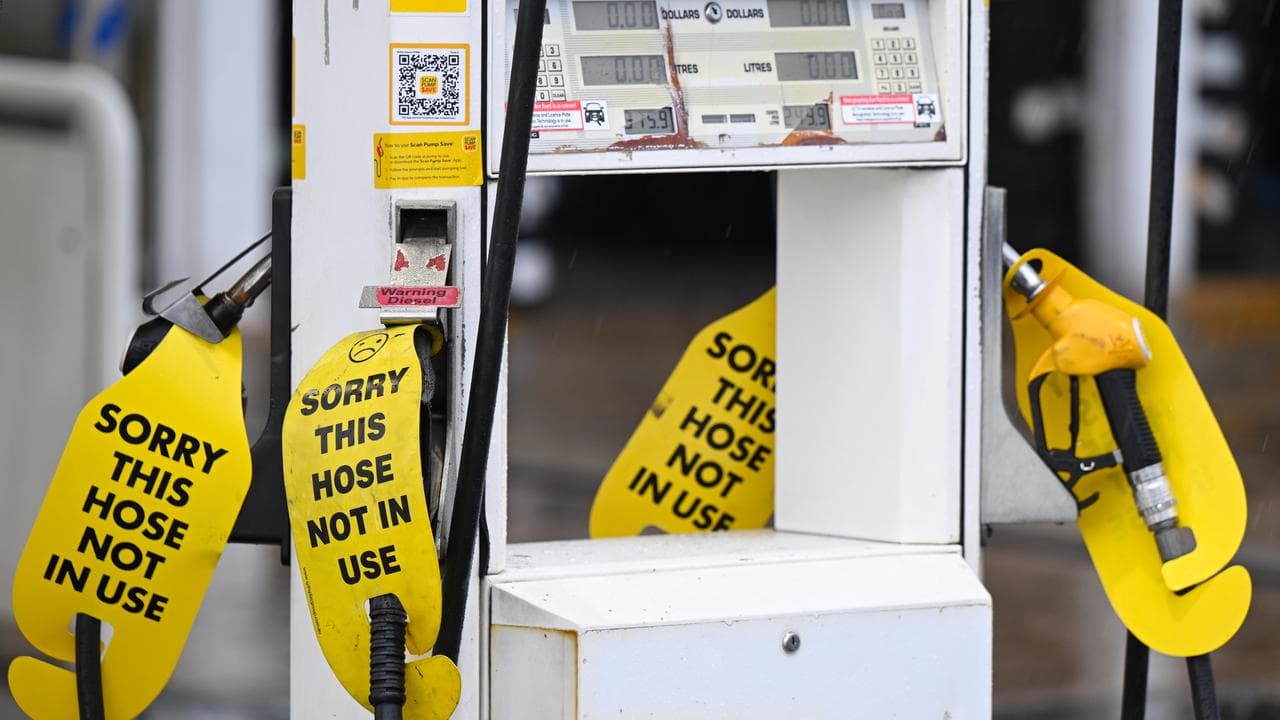
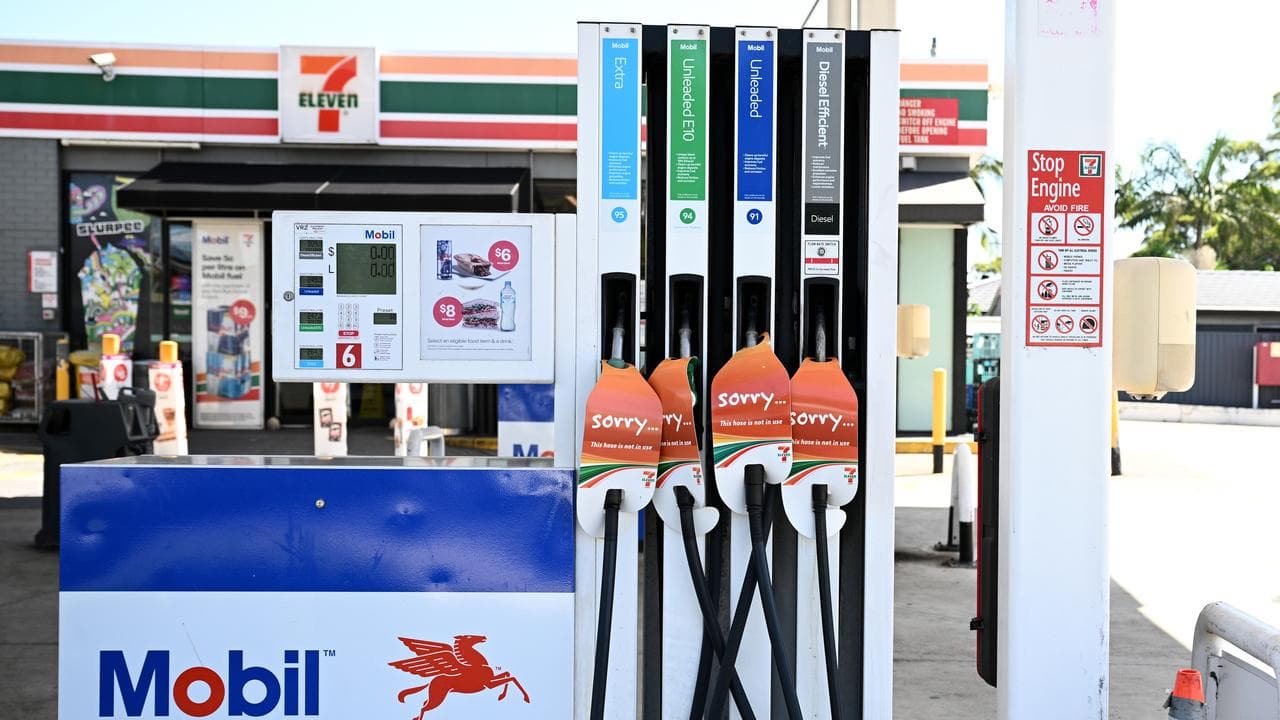
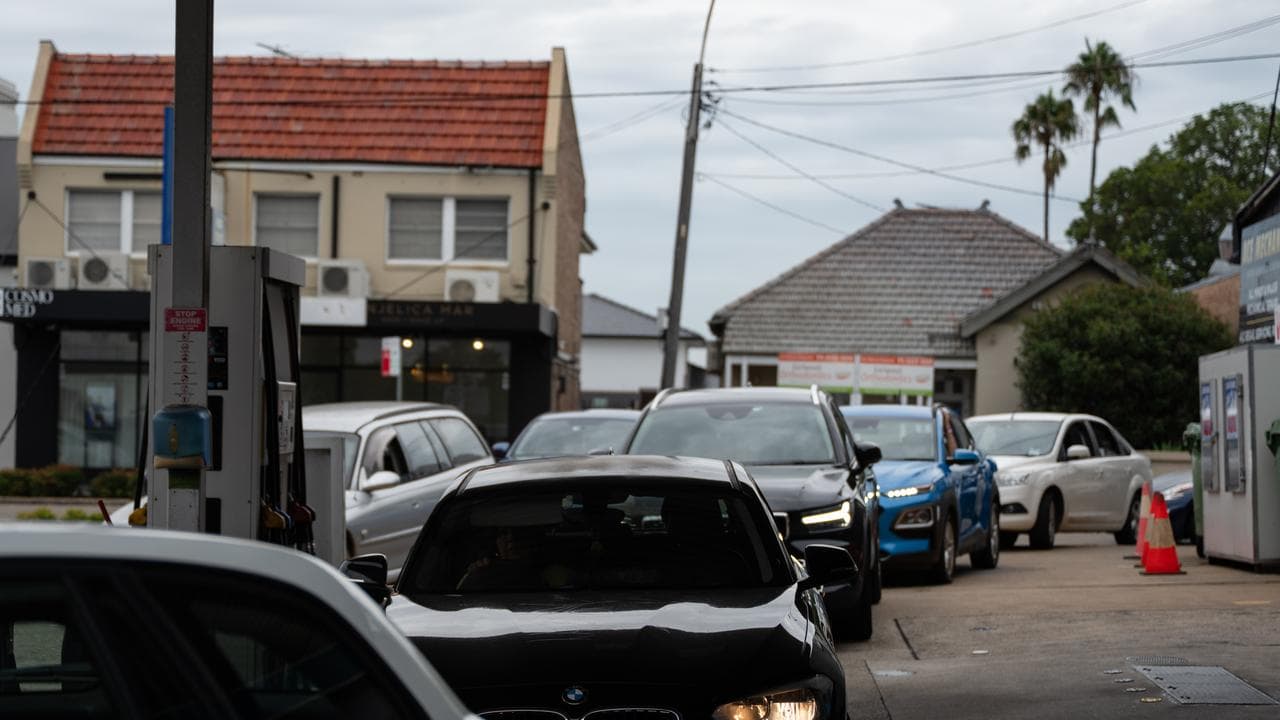
The edict from NSW comes as limits on how much petrol people can buy reaches at least one metropolitan service station.
An employee at a Shell-branded service station on Sydney's northern beaches confirmed to AAP the outlet had implemented a cap of 50 litres per person and banned the filling of jerry cans.
Iran has been attacking regional energy infrastructure and effectively closed the Strait of Hormuz, forcing countries to respond to global fuel supply shortages.


