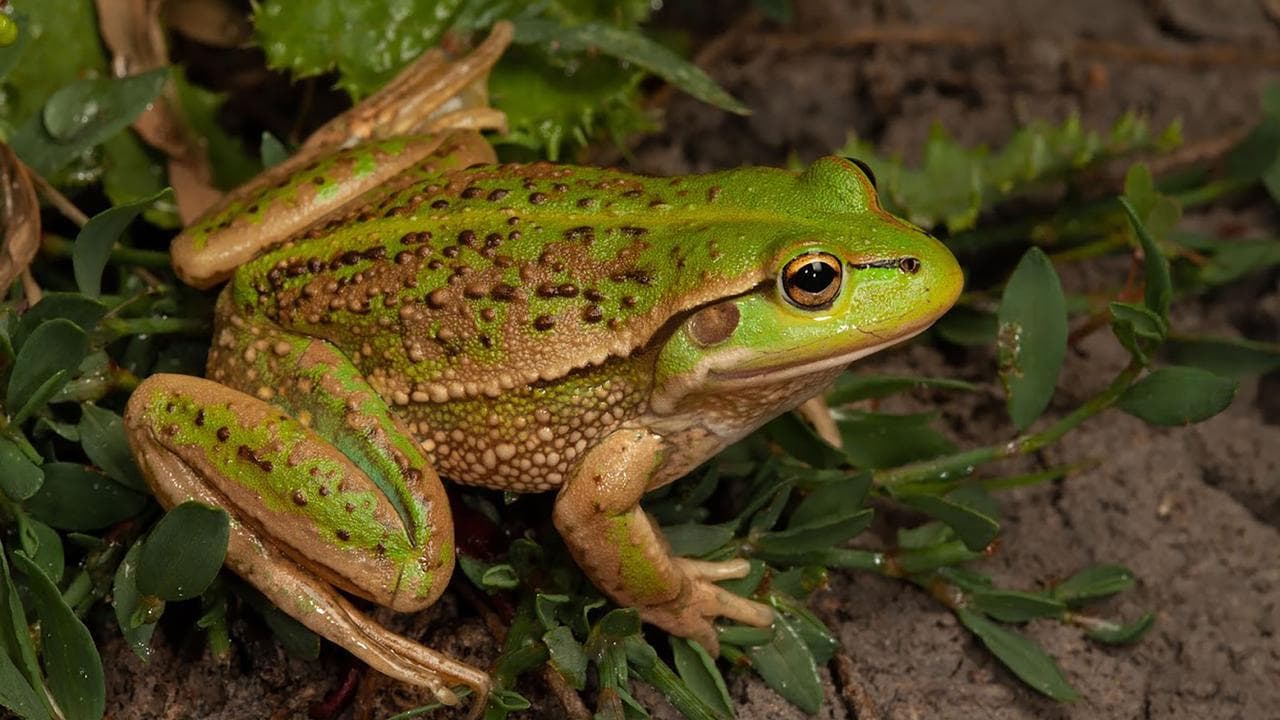
Their mating calls can easily be mistaken for a motorbike engine purring from your backyard.
But look past the fear of an intruder taunting you in the middle of the night and you might be stumbling upon a rare endangered frog species feared to have disappeared in parts of the country.
The Southern Bell frog (Litoria raniformis) is among 24 threatened species in Australia that have been documented through a citizen science program looking to fill important gaps in amphibian knowledge.
More than 100,000 people are set to pull out their phones and contribute to a data set of more than 1.5 million frog-sound recordings as part of FrogID week in November.

It's become a vital tool in mapping native species like the Southern Bell frog, which became locally extinct in the lower Murray during the millennium drought.
But also, thousands of cane toad recordings have helped scientists like Jodi Rowley trace pests that have hitched a ride on cars, caravans, trains, freight and luggage from the Northern Territory and Queensland.
One cane toad was found hitchhiking all the way to the Eyre Peninsula town of Whyalla in October prompting calls to check vehicles before travelling.
For Dr Rowley, curator of amphibians and reptiles at the Australian Museum, citizen science has become a game changer as natural reserves become swamped with private land.
More than 13 new frog species have been discovered during the initiative, with 86 per cent of all records coming from private lands.
"There's a lot more people now across the country that are realising that we have these amazing creatures," she said.
"They are in trouble, and people have really taken the call to action and collected the data that we need to help save Australia's frogs."
Dr Rowley says frogs are the glue that hold ecosystems together, yet little is known about amphibians and their role in the Australian food web.
"They support all the other animals in the ecosystems and energy flows and nutrient dynamics between freshwater and terrestrial ecosystems," she said.
Disease, habitat loss and climate change are among the main drivers that have left one in five Australian frog species under threat from extinction.
However, the program has rediscovered a population of endangered tusked frogs that were missing for several decades on the northern slopes of NSW.
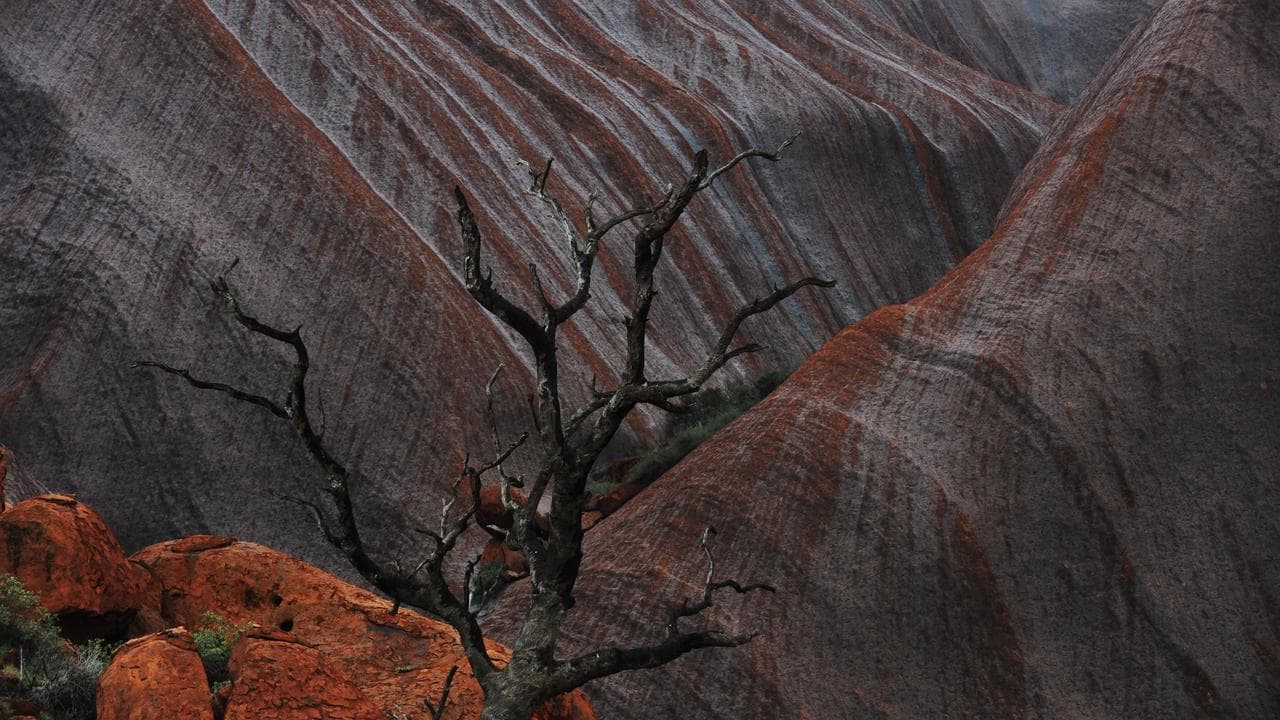
Record rainfalls in Australia's central desert regions have renewed hopes for some species to bounce back and deliver invaluable data for biologists.
"Now it's been raining in Uluru, and we've got some amazing recordings of frogs there," Dr Rowley said.
"We have to revise maps of Australia's frogs every year because good old 'Bob' out in Western Queensland does a recording and all of a sudden it's a 100-kilometre range extension for a frog."


