As tents come down on the red escarpment at Gulkula and visitors leave the bush airstrip, Indigenous leaders depart northeast Arnhem Land with a clear message: the next 50 years of Australia’s story must be written on Aboriginal terms.
The 2026 Garma Festival - the 26th on Yolngu land - has doubled as a summit on the future of land rights, the looming end of large‑scale mining at Gove and how one of the world’s oldest continuous cultures wants to be seen by the rest of the planet.
Garma takes its name from the traditional Yolngu concept meaning a two-way learning place.
The gathering, hosted by the Yothu Yindi Foundation, unfolded this year against the 50th anniversary of the Aboriginal Land Rights Act, which opened the way for Traditional Owners to reclaim more than half of the Northern Territory.
The journey began with the 1975 image of then-prime minister Gough Whitlam tipping a handful of red soil into Gurindji leader Vincent Lingiari’s hand - igniting the modern land rights movement and debate about power, Country and belonging.
Fast-forward to Garma 2026, on a ridge overlooking stringybark forest and blue sea, leaders used the nation's largest Indigenous gathering to sketch what that legacy should mean now.
A key announcement was the creation of a new Arnhem land body, the Dilak Land Council, pitched as “land rights coming home to northeast Arnhem Land” and a way to pull decision‑making closer to local Traditional Owners.
Backers say it will work with existing institutions while insisting Yolngu landowners must sit at the centre of economic development in tourism, education and ranger work.
That argument is playing out in real time on the Gove Peninsula.
Mining giant Rio Tinto has confirmed bauxite production will cease in 2029, ending almost 60 years of mining on the peninsula and forcing the town of Nhulunbuy to contemplate life after the industry that built it.
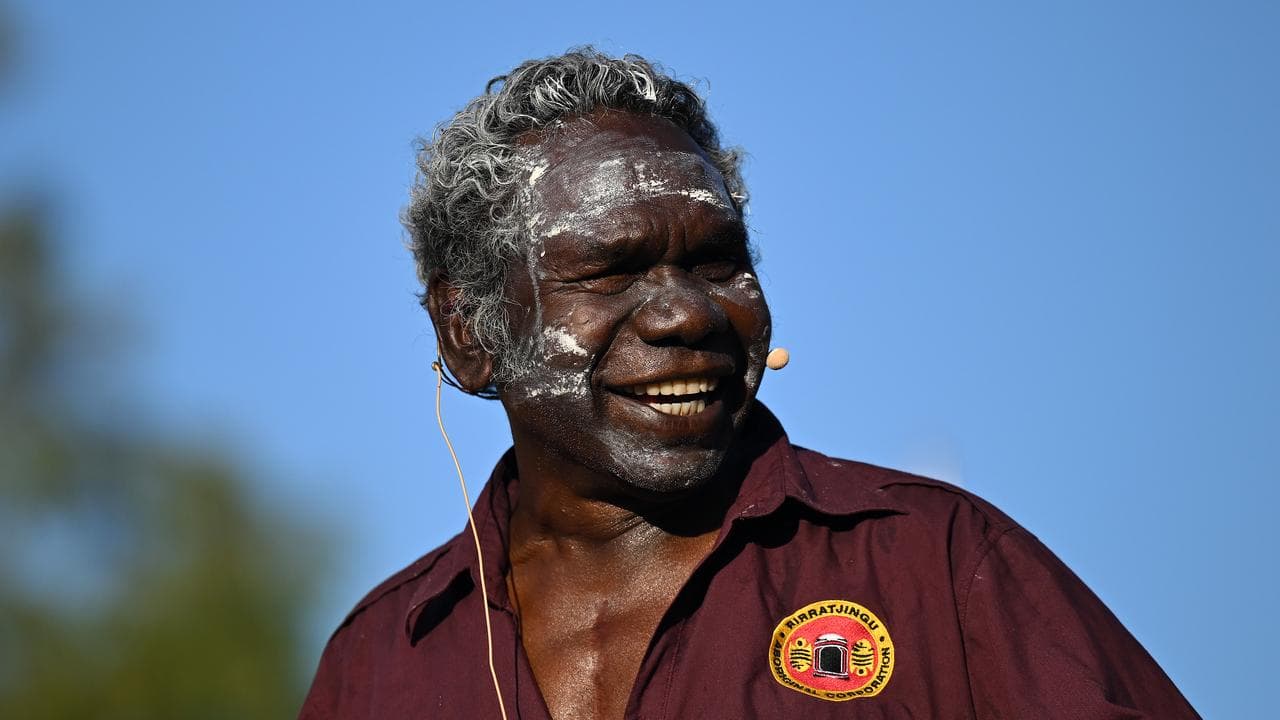
Rirratjingu Elder and Yothu Yindi founding member Witiyana Marika said many outsiders continued “painting it like a disaster”, but Traditional Owners just wanted to get their land back and prove they could run businesses and manage development themselves.
“This is not a door closing - it’s a big opportunity,” he told AAP.
Lia Finocchiaro attended for the first time as NT chief minister and called on the federal government to turn Gove’s vast fuel infrastructure into a strategic national asset.
The site's seven large tanks, located beside a deep‑water port, could anchor a major storage and distribution hub as Australia confronts fragile supply chains, she said.
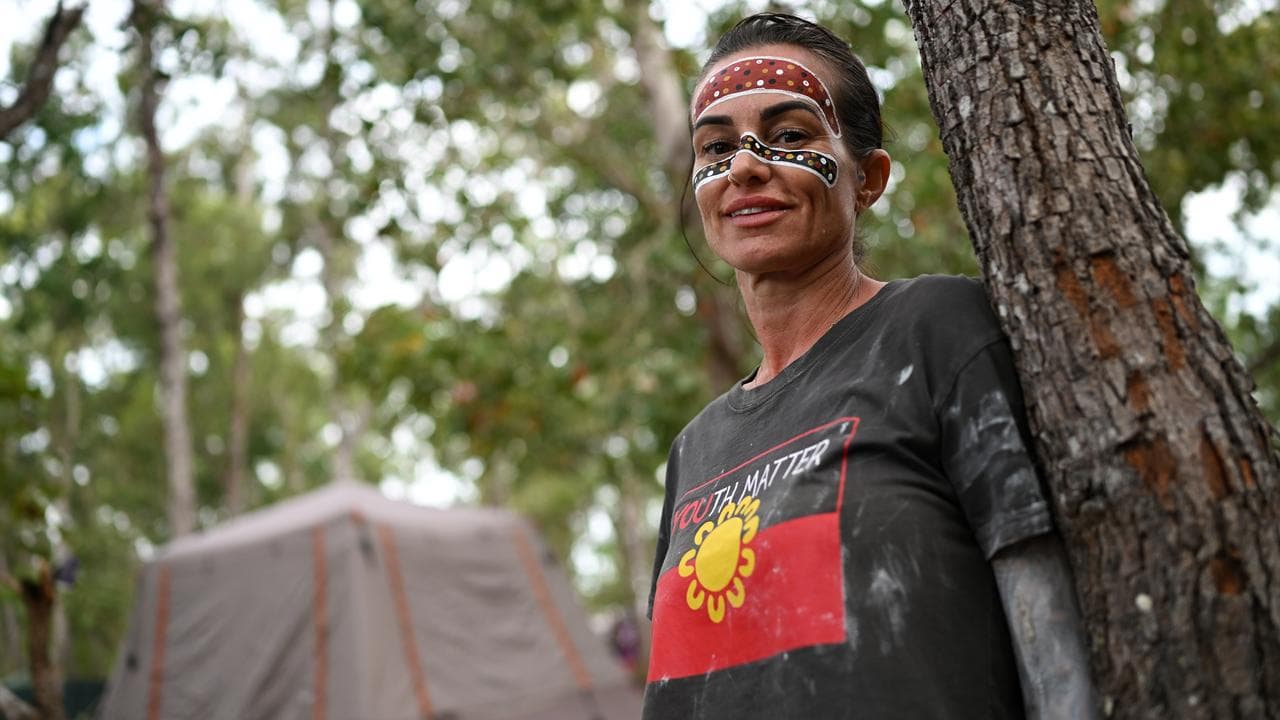
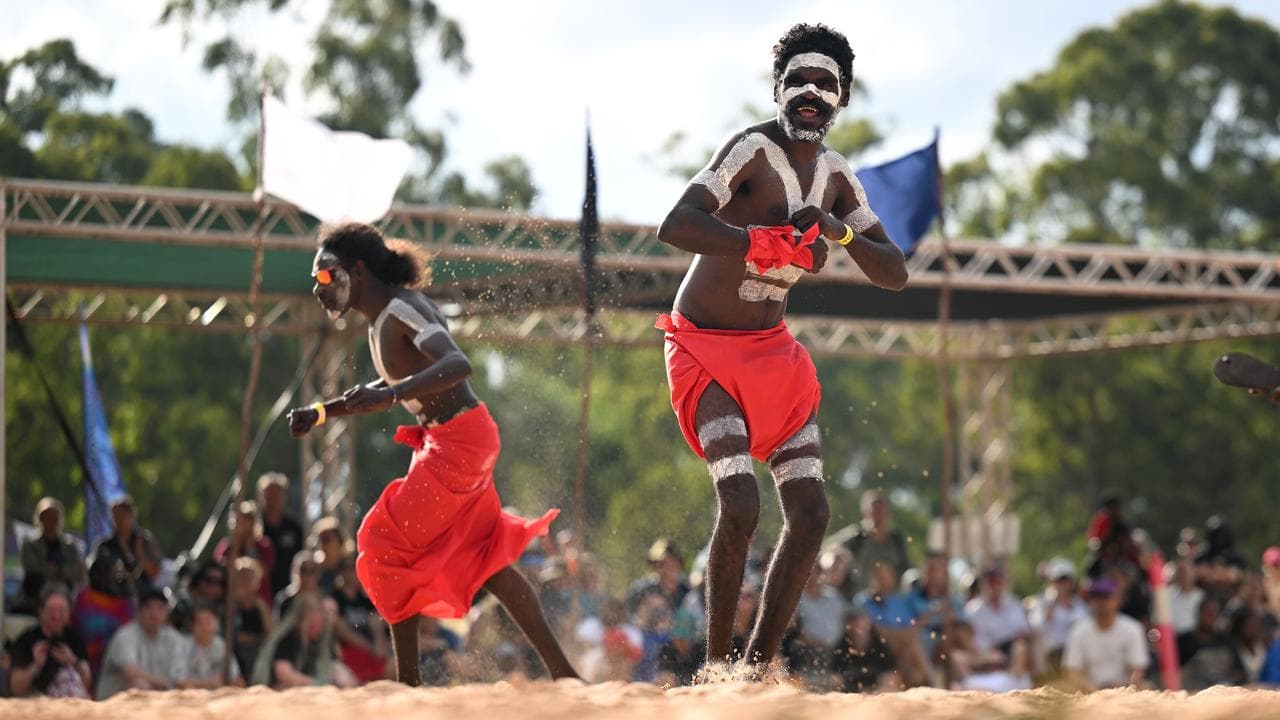
Away from the policy debates, Garma’s heartbeat sounded loudest on the Bungul ground at dusk, when Yolngu families gathered to dance and paint each other with gapan - white ochre - in designs that mapped law, water and ancestral stories onto skin.
Wangurri woman Holly Gurruwiwi, her face marked with the Galpu Rainbow Serpent, said those designs challenged the existing narrative surrounding Aboriginal people.
“The good side is not about child protection … it’s a good story and it’s happy; it is beautiful,” she says.
As dancers step onto the red dirt for a closing celebration, Garma’s message is that the fight over land, power and resources is inseparable from the ceremony and culture that have endured for millennia.


