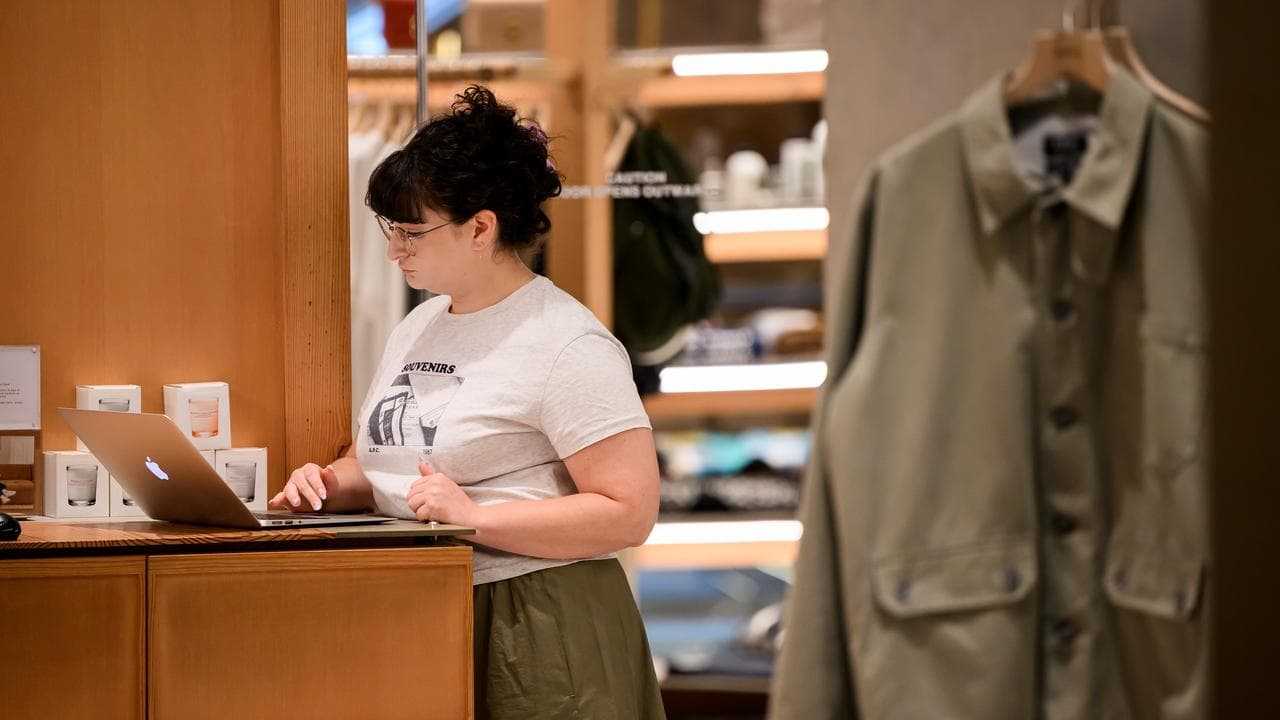
Loreto Valenzuela remembers the day she missed her daughter speaking at a special school assembly because of her inflexible workplace.
"I couldn't go and my husband couldn't go either," the Sydney retail worker told AAP.
"I couldn't leave, because who was going to cover my shift? Now, I'd be like 'sorry I've got to go'."

The mother-of-four needed to work certain shifts to drop off and pick up her kids from school, but the major supermarket she worked at was not flexible.
She moved from permanent part-time to casual, which meant she lost benefits such as sick and annual leave.
"A lot of workplaces say they've got flexibility but they don't," Ms Valenzuela said.
"Mums have to work, at the same time they've got to look after the kids, there has to be an in-between."
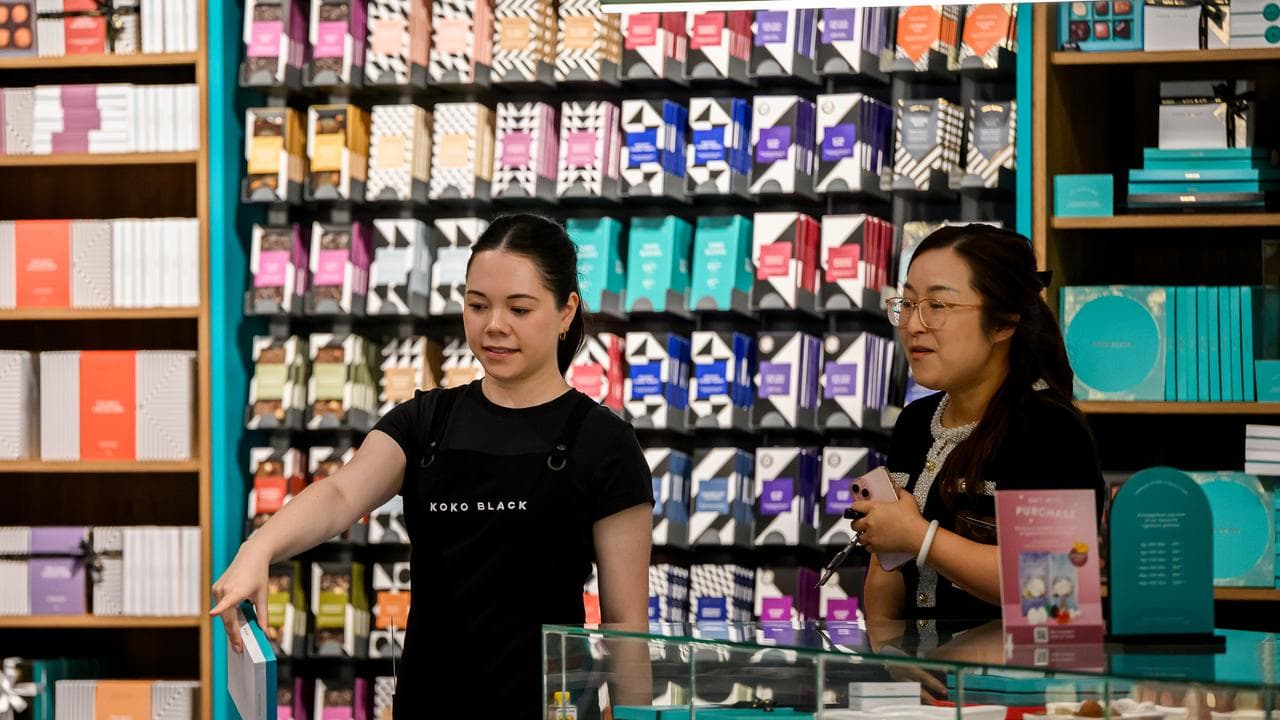
A report released on Thursday, which includes a survey of 6,000 Australian workers, explores how jobs should be redesigned to offer better flexibility of hours.
"Crucially, how we design and support flexible work can advance gender equality, or it can further entrench inequality," the Good Flex Bad Flex report said.
It calls for the adoption of the terms "good flex" - flexibility of work that supports workers - and "bad flex" - flexibility that can put workers at risk and compound existing inequalities.
"Not all flexibility is created equal, and recognising this is critical to understanding why increased flexibility does not automatically lead to better outcome," the report said.
"This framing provides a more precise way to assess flexible work and support practical action.
"It enables workers, employers, unions, industry leaders and policymakers to identify what works, what harms, and what needs to change, and to design and advocate for more equitable access to higher quality flexibility that delivers real benefits."
High-quality flexibility can increase freedom, security and workforce participation, and poorly designed flexibility can reduce predictability, limit career progression and deepen existing inequalities, the paper said.
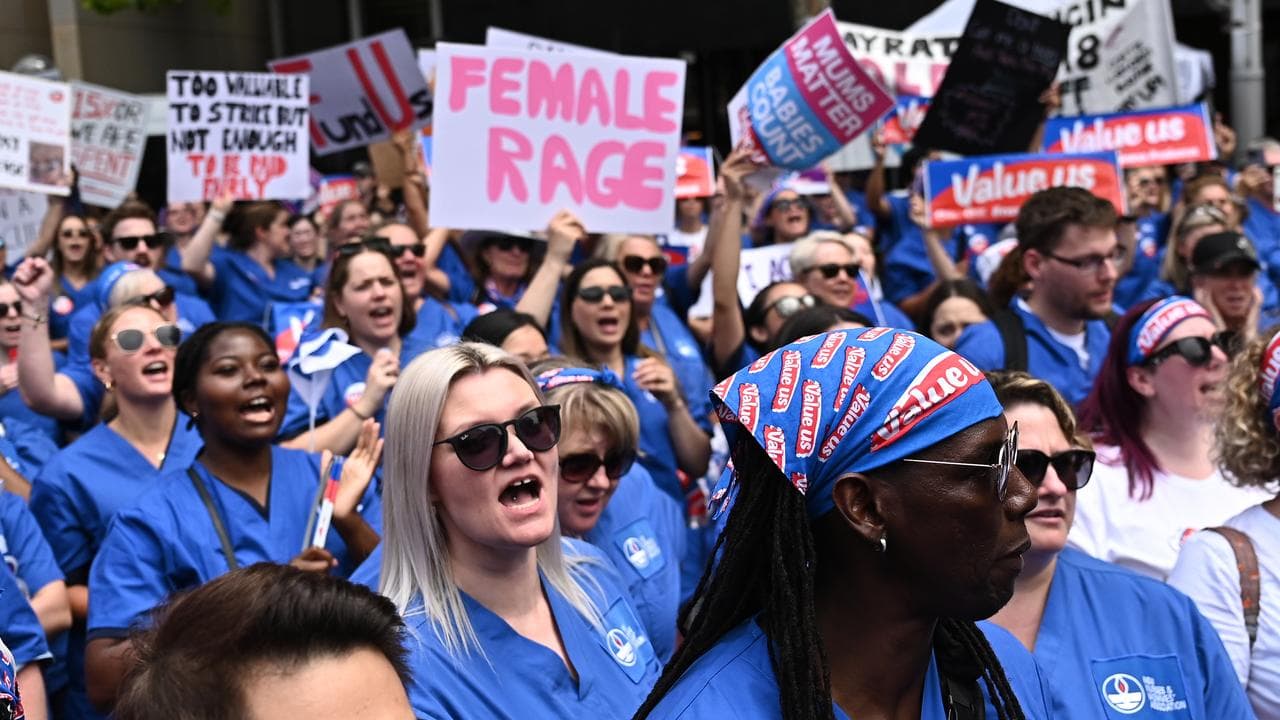
Women, especially those in health, education, retail and care, were more likely to experience bad flex, where flexibility is limited to adjusting hours within tightly controlled, on-site roles.
Aboriginal and Torres Strait Islander women, sole parents, women living with chronic illness or disability, migrant and refugee, and regional women all faced additional barriers to good flexibility.
The study calls on the federal government to provide leadership in becoming a "good flex" employer for the Australian Public Service, to set the standard nationally and model practice to the broader labour market.
National data should be gathered on good flex across industries, and the Fair Work Act's operation on flexible working arrangements be reviewed, it suggested.
"Everyone is talking about flexible work, but we need to be much more precise about what we mean," University of Sydney researcher Professor Rae Cooper said.
Debate around flexibility at work at the moment was too focused on working from home, which excluded nurses, tradies, and retail workers, she said.


