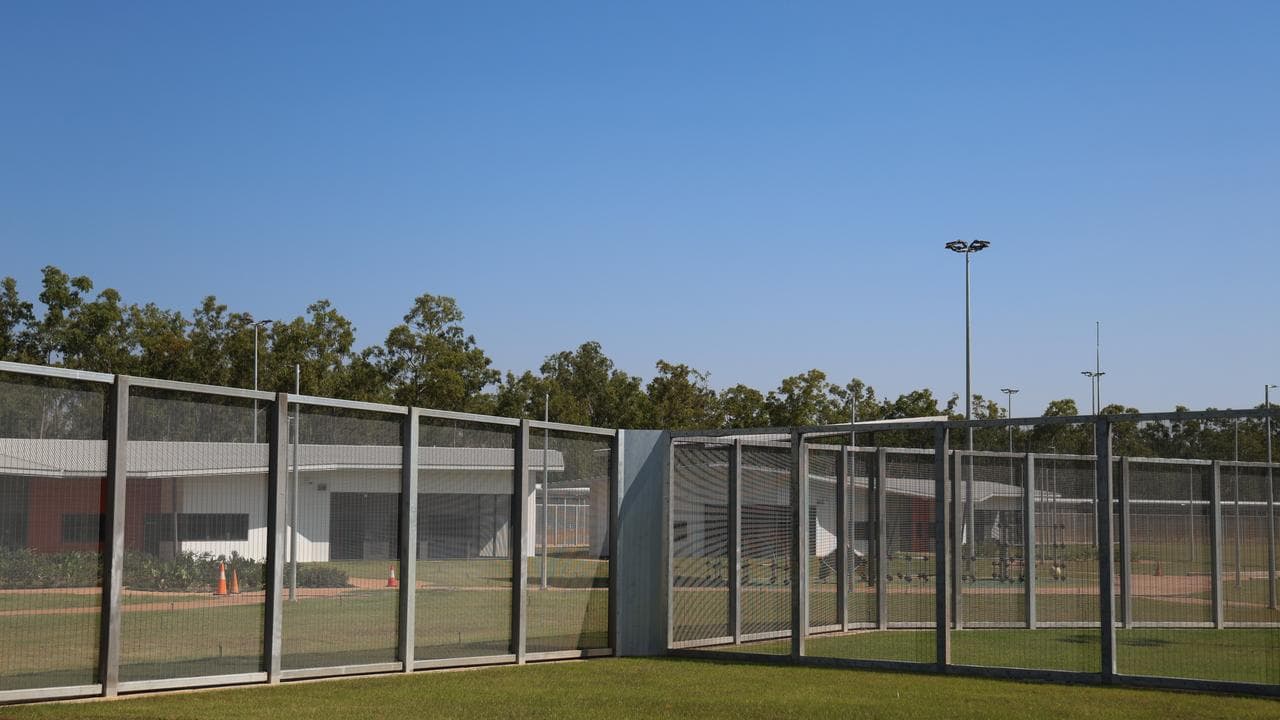
Refusing a United Nations special envoy access to youth detention centres implied that authorities had crowded and appalling conditions to hide, human rights and Indigenous advocates have said.
United Nations Special Rapporteur on the Rights of Indigenous Peoples Albert K Barume was refused access to prisons in Townsville and Darwin during his official visit to Australia.
The United Nations said tours of Holtze and Cleveland youth detention centres would not take place due to the refusal by Queensland and Northern Territory governments to engage with their mandate.
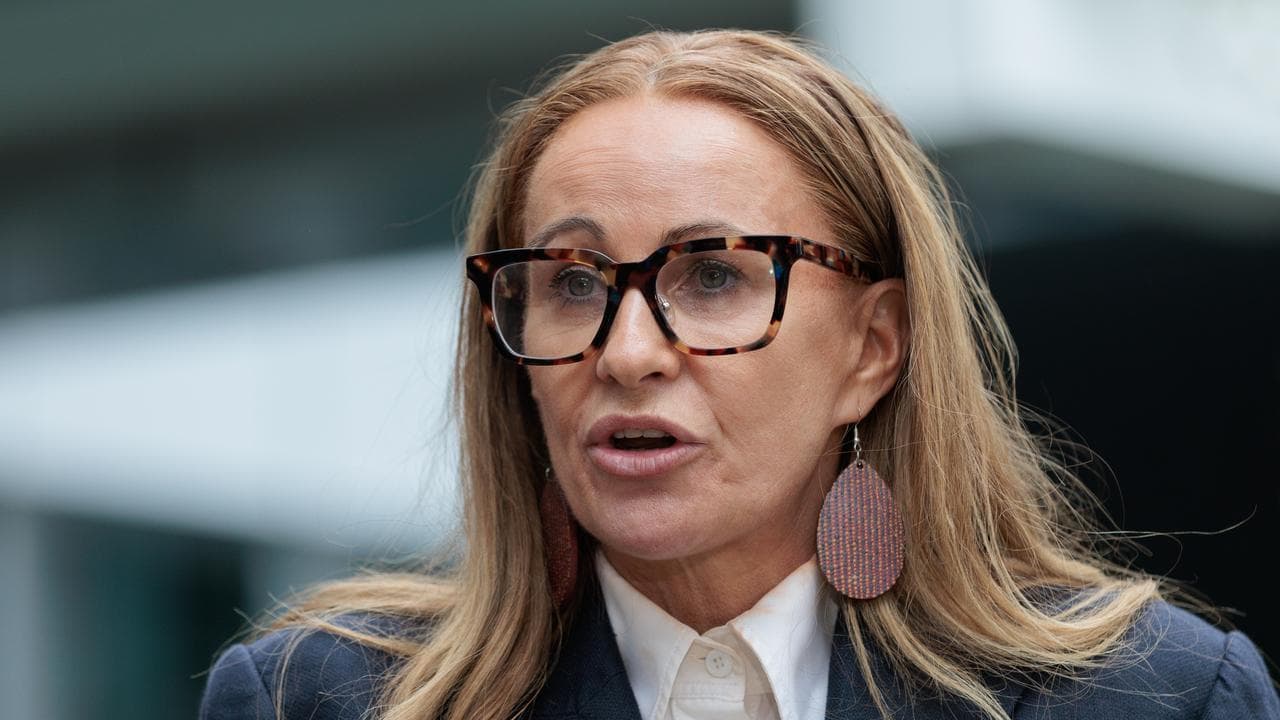
National commissioner for Aboriginal and Torres Strait Islander Children and Young People Sue-Anne Hunter said refusing access to prisons reflects poorly on Australia on the world stage.
"They're clearly not upholding the rights of our children as a priority," she said.
"There are clearly failings in [these] centres that governments want to remain hidden. If there wasn't a problem, they'd let them in."
Darwin lawyer and human rights advocate John Lawrence SC told AAP the NT government's reputation on youth detention was "appalling and notorious".
"Torture, abuse, physical, psychological, spit hoods, restraint chairs, gassing ... you name it."
Detention conditions had led to self harm and escape attempts, arson, riots and children taking to the roof in protest, Mr Lawrence said.
The current youth detention facility was chronically overcrowded and children in there were extremely unhappy, all of them Indigenous, he said.
"I am certain there are untold instances of misery and human rights abuse."
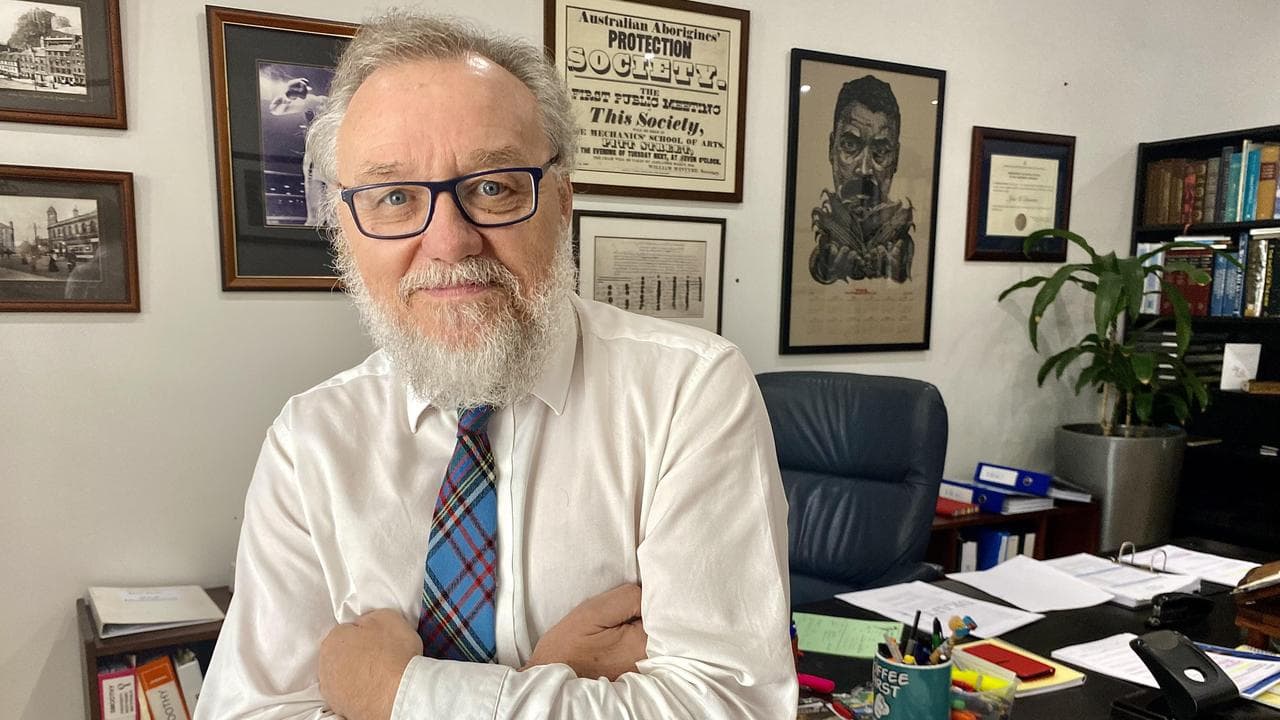
That was why the NT government was not allowing access to the UN raporteur, Mr Lawrence said.
Amnesty International Indigenous rights adviser Rodney Dillon said Australians needed to ask why these jurisdictions were afraid of independent scrutiny.
"I would say not only have they got something to hide but they're ashamed of the way they're treating our people in this system," the Palawa man told AAP.
Ms Hunter said she was extremely concerned over whether children's rights were being upheld in these facilities, particularly Indigenous children who were over-represented in youth justice systems across the country.
"First Nations children should not miss out on independent scrutiny because governments dispute responsibility," she said.
"Child safety is actually everybody's issue in this country and it should not be handballed."
A separate UN delegation was prevented from entering detention centres in the NT in December 2025.
In 2022, the United Nations Subcommittee on Prevention of Torture cancelled its visit to Australia after being denied access to prisons in Queensland and NSW.
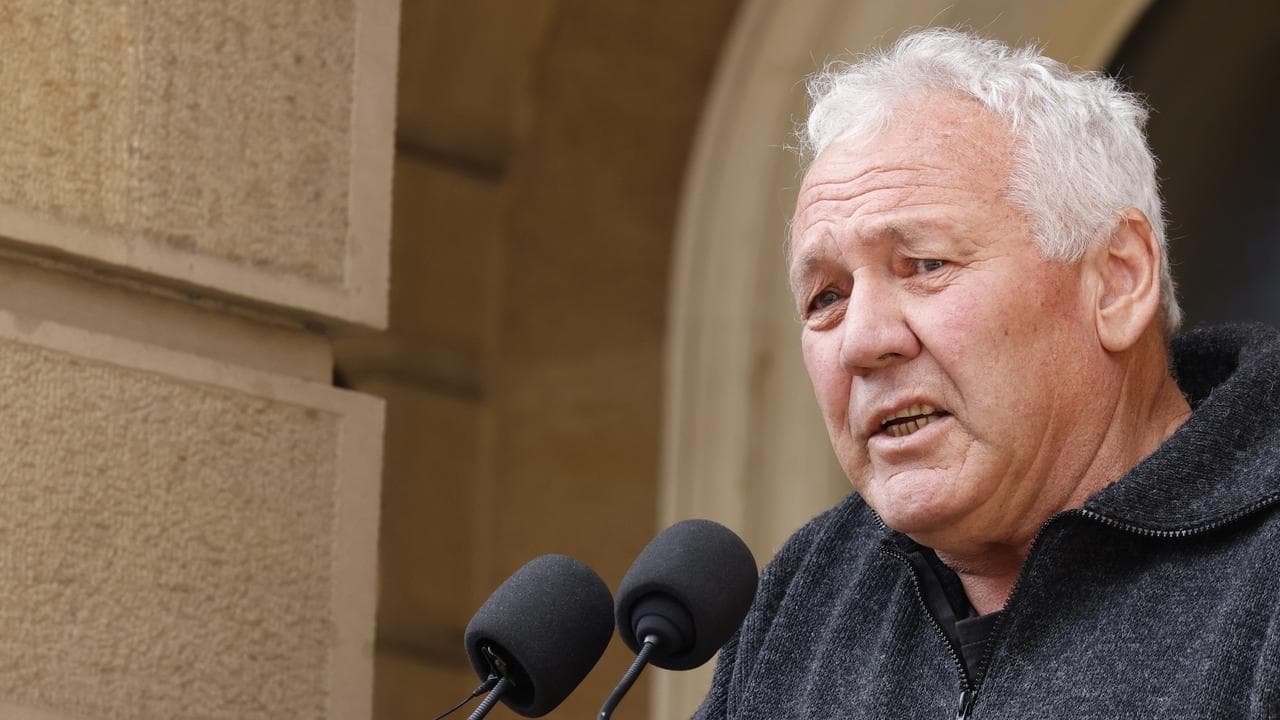
Mr Dillon said governments should be opening the doors to international experts, not locking them out.
He said he was astounded at the "arrogance" of governments who continued to ignore expert recommendations on human rights.
The Department of Corrections has insisted the NT's prisons were subject to independent oversight and accountability arrangements.
NT Corrections Minister Gerard Maley has been contacted for comment.
The focus of Dr Barume's visit is human rights issues affecting Indigenous people, including right to self-determination, redress of historical injustices and the right to lands, territories and resources.
The special rapporteur is expected to share his preliminary findings and recommendations on November 13, the final day of his visit.


