One of Australia's biggest iron-ore players has turned its interim earnings into a dividend machine for investors after hitting a speed bump in its plan to become a global green hydrogen force.
But Fortescue still has its eyes on cutting costs by going as green as it can in its Pilbara operations in Western Australia, which allowed it to reduce costs during the first half of 2025/26.
The group, which is the world's fourth-largest iron ore producer, was also coy on Wednesday about the progress of supply talks with China's state-backed iron ore buyer, saying only the "phased discussions ... are ongoing".
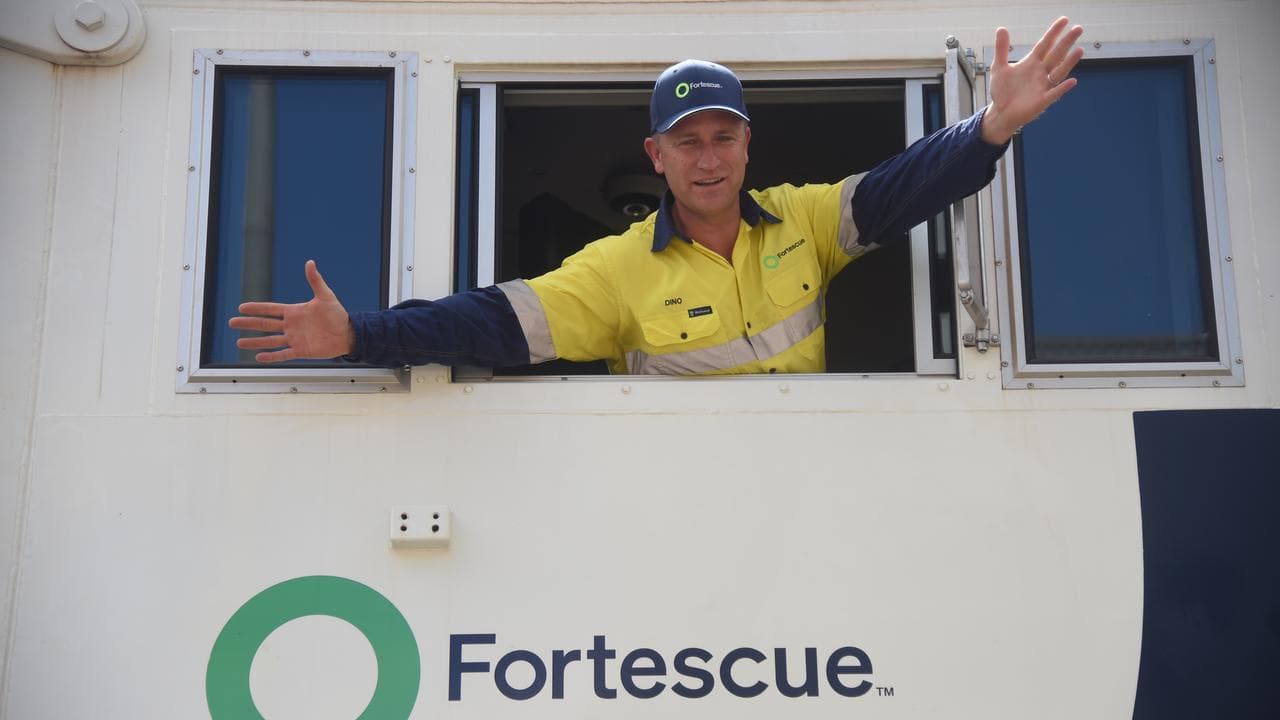
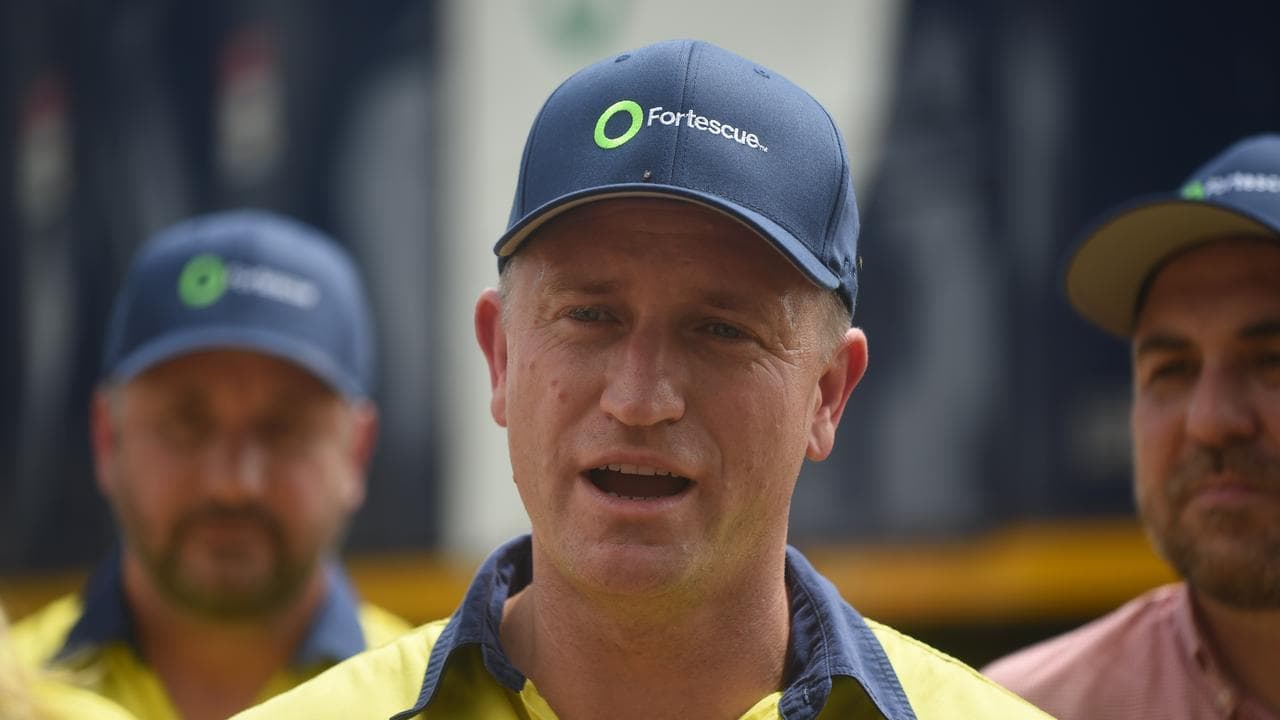
"Customers want low-emission steel and China is looking for partners to make that happen," Fortescue metals and operations CEO Dino Otranto said in an earnings briefing.
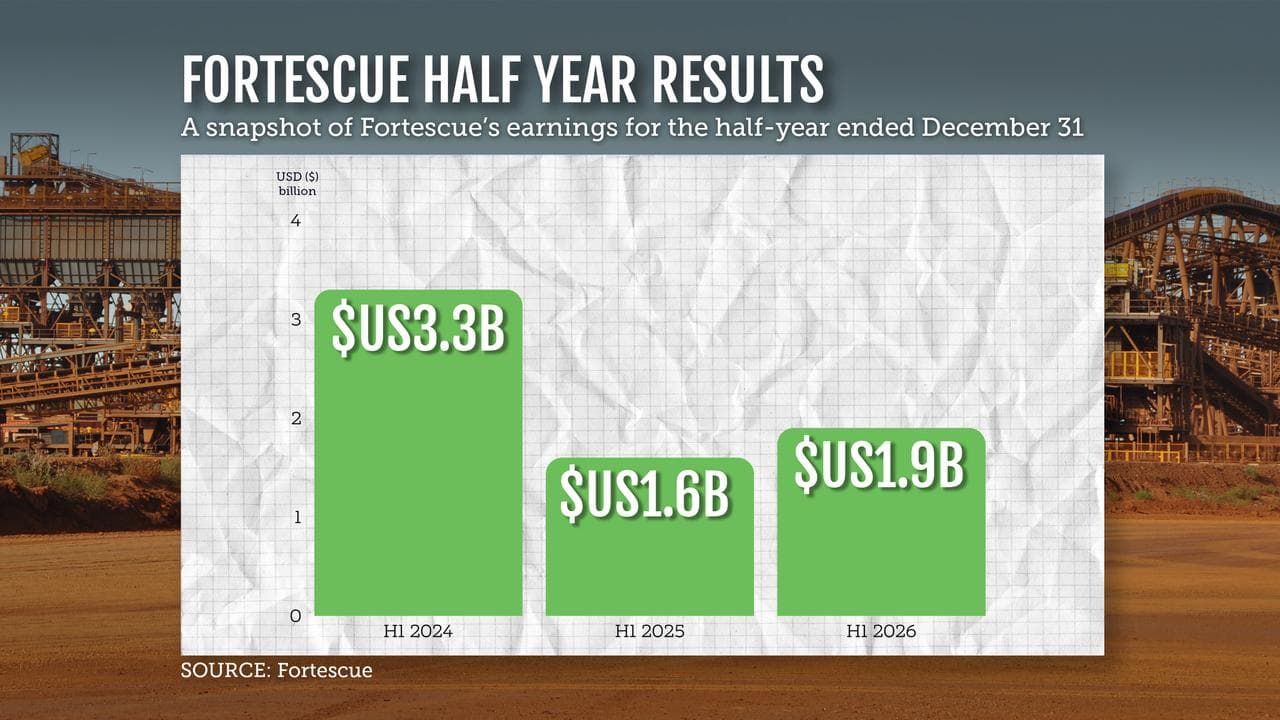
Fortescue posted a 23 per cent rise in bottom-line net profit to $US1.9 billion ($A2.7 billion), on revenue of $US8.4 billion ($A11.9 billion), for the six months ended December 31.
The group, chaired by billionaire and green energy fanatic Andrew 'Twiggy' Forrest, delivered record shipments of 100.2 million tonnes in the half year ended December.
"It's been a standout first half of the financial year," Mr Otranto said.
Fortescue expects to ship 195-205 million tonnes of iron ore for the full 2025/26 year.
Fortescue's underlying first half earnings - before interest, tax, depreciation and amortisation - rose by 23 per cent to $US4.5 billion ($A6.4 billion), which was better than expected.
It declared an increased first-half dividend of 62 cents per share, up from 50 cents, representing a high payout ratio of 65 per cent of underlying profit.
"Look at the divvy," Mr Otranto said.
"It's a significant cash-generating business in whatever way you look at it, in whatever cycle, with the cheapest iron ore producer on the market - I mean, it's a no-brainer."
Investors appeared to agree, sending Fortescue's shares up 2.6 per cent to $20.72 in afternoon trading.
"The dividend outcome is the message - balance sheet strength, and cash flow resilience allows FMG to sustain attractive distributions even amid higher capital intensity," RBC Capital analyst Kaan Peker said.
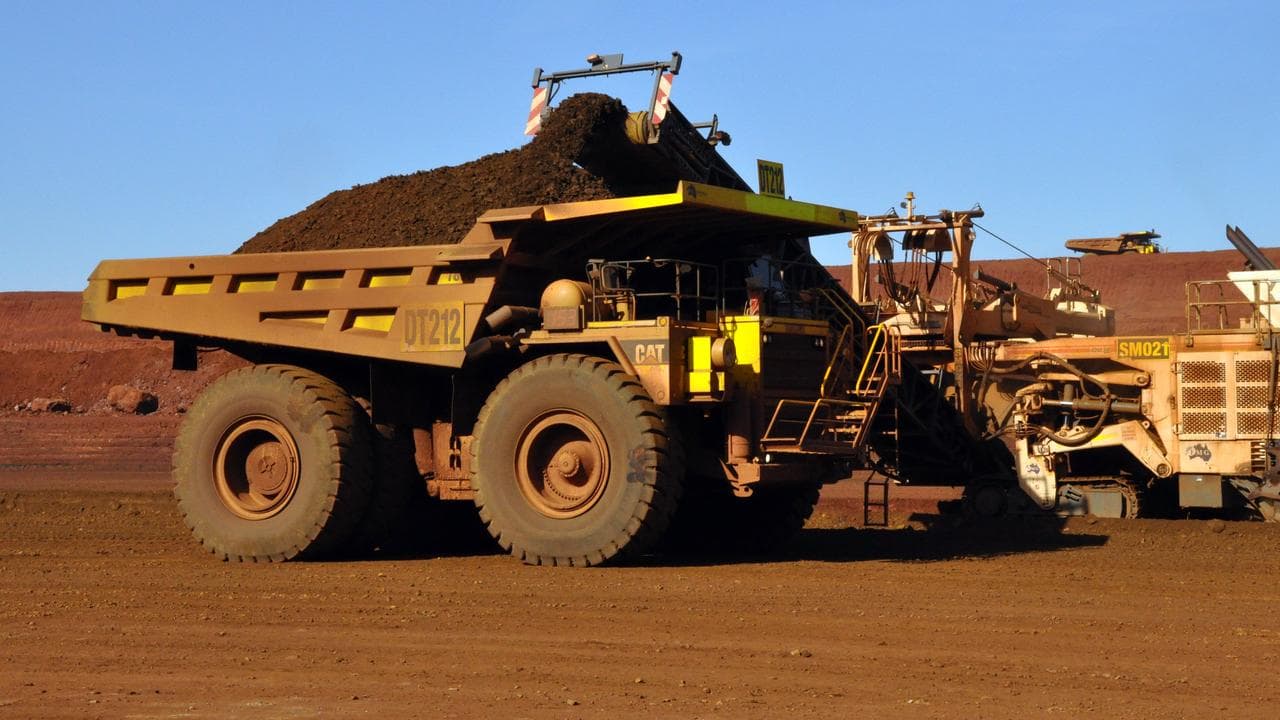
Fortescue is eliminating the use of diesel fuel across its Pilbara fields, which is forecast to trim $2-$4 a tonne from iron ore costs by 2030.
"We have the lowest operating cost in the industry and decarbonisation is pushing that even lower," Mr Oranto said.
"The more diesel we eliminate, the less exposure we have to price volatility, and the stronger and more predictable our margins become."
Fortescue has installed thousands of solar panels at its flagship Cloudbreak iron ore mine, and the project is now two-thirds complete.
At the same time, construction is under way on its first wind farm.
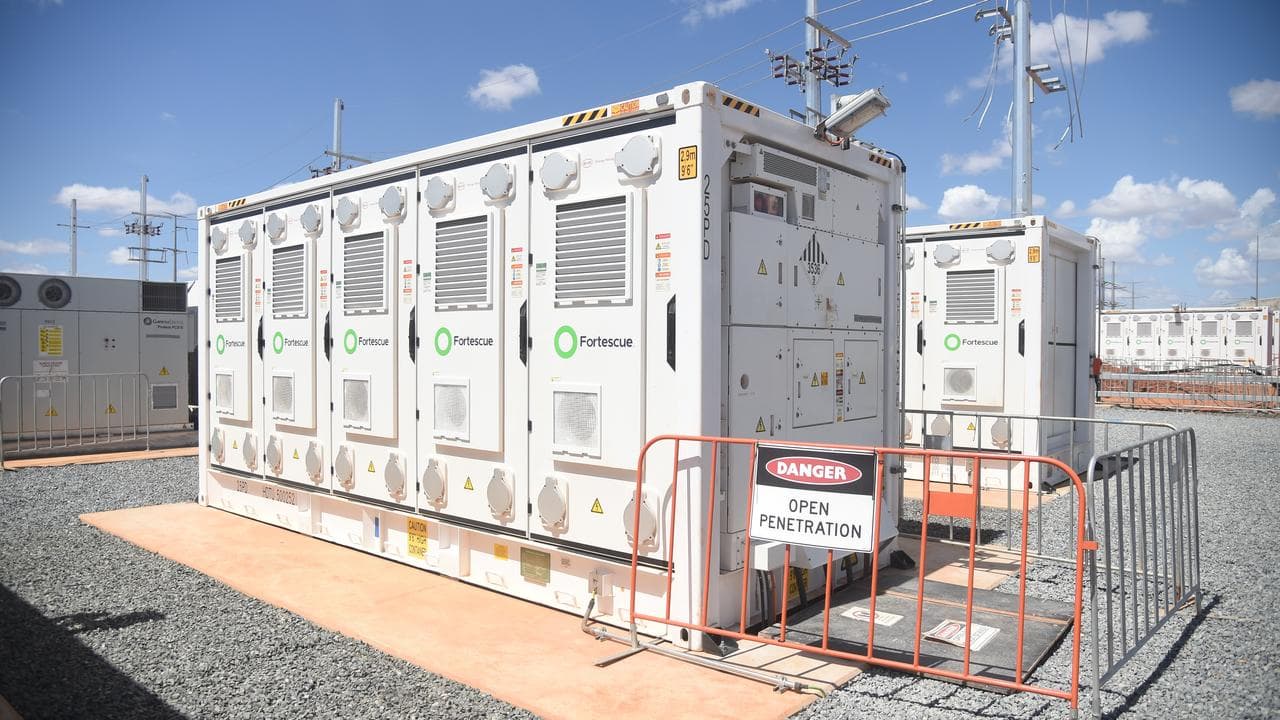
"We've delivered two large battery energy-storage systems at our sites and we're working with leading global manufacturers to roll out electric-mining equipment, battery systems and large-scale renewable infrastructure," Mr Otranto said.
Fortescue's energy division, which covers its hydrogen ambitions, lost $US201 million ($A283 million) in the half year, although that was 45 per cent less than the previous year.
"We are heading in the right direction," chief financial officer Apple Paget said.
Energy chief executive Gus Pichot said Fortescue was still working on technology to drive down the cost of producing the fuel, which was very expensive.
Fortescue scrapped a $200 million-plus green hydrogen project in Gladstone in 2025.


