"We shouldn't be grieving constantly for our young people."
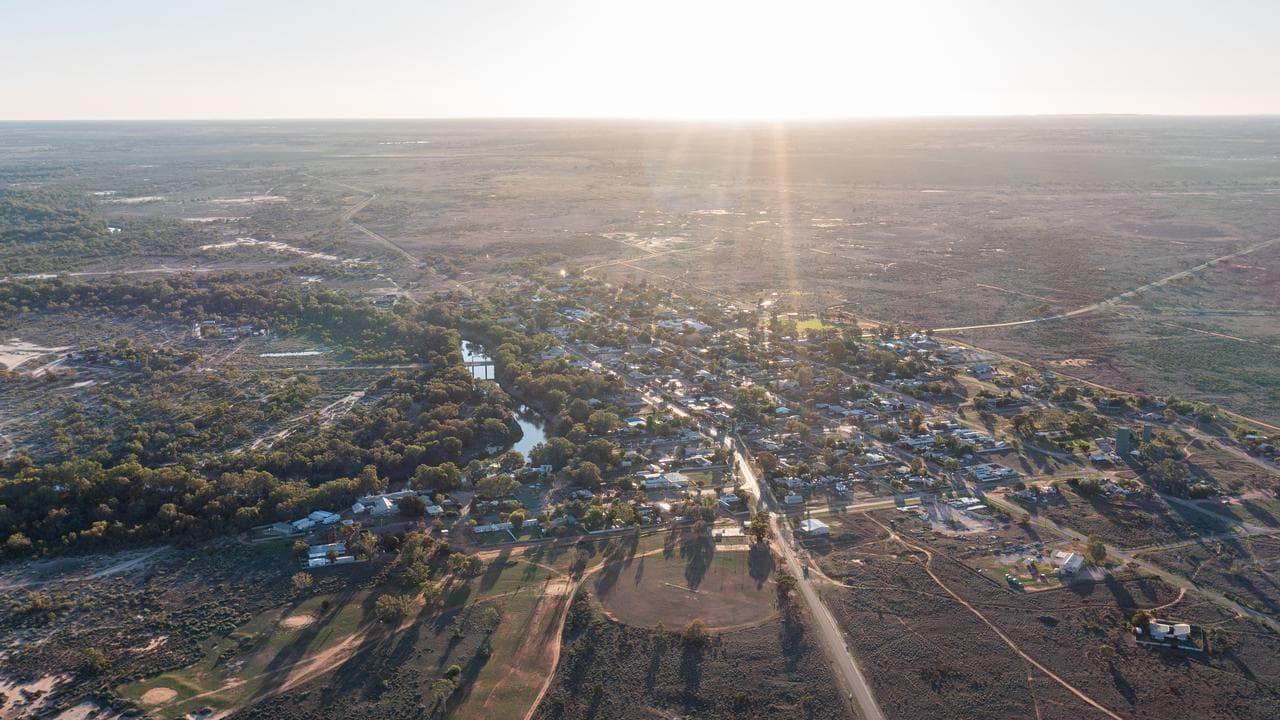
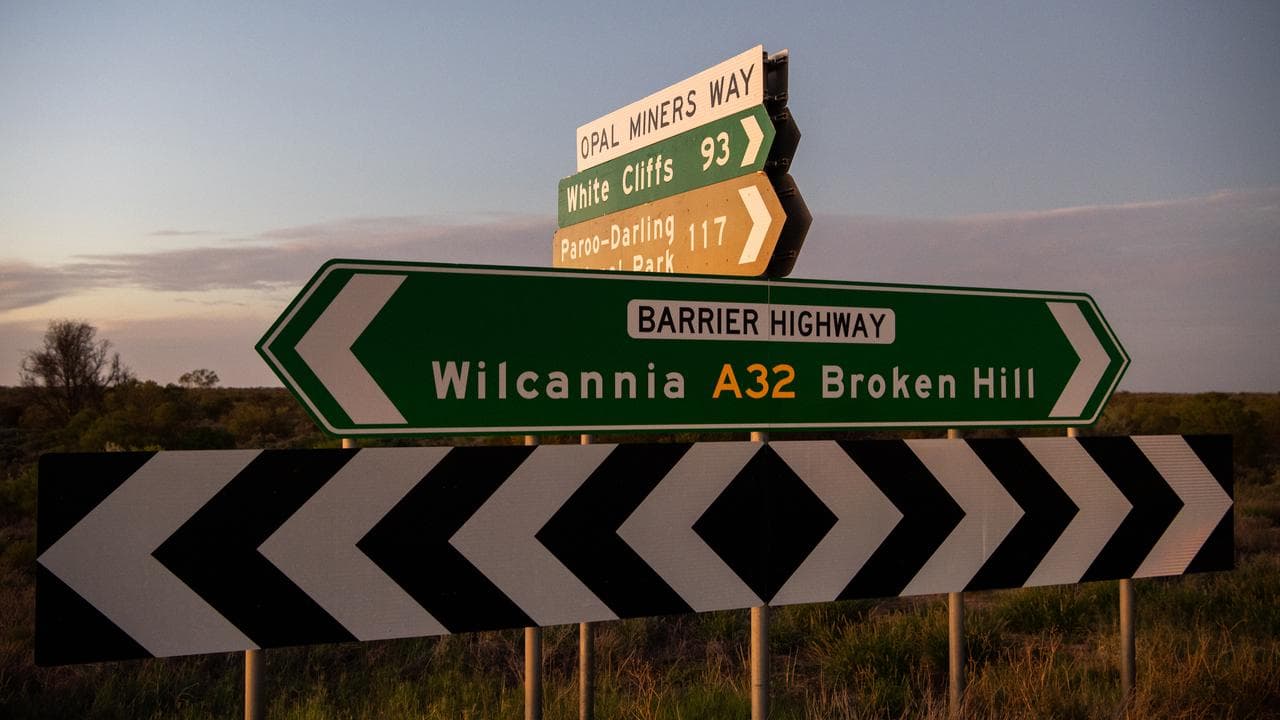
That is the stark message from a respected Wilcannia local, after the death of a young mother cast light on inadequate policing and community services in the remote NSW town.
The body of Sonya Dutton, a Barkindji woman, was found in her grandparents' backyard on March 29, 2022, possibly days after her death.
State Coroner Teresa O'Sullivan on Monday found there was insufficient evidence to conclude the 31-year-old's death was the result of either suicide or homicide.
But an inquest revealed there were significant gaps in the police investigation, which was initially led by a junior detective with minimal guidance from her superiors.
There were also very limited social supports for Ms Dutton in the lead-up to her death, the inquest was told.
Ms Dutton had turned to alcohol to cope with a string of relatives and friends' sudden deaths, while enduring an abusive relationship, the inquest heard.
Her life also had to be viewed in the broader context of colonisation, along with exposure to violence and structural racism, psychologist Victoria Hovane told the coroner.
Professor Hovane, a Ngarluma, Jaru and Gooniyandi researcher, said on one hand Ms Dutton received "reasonable" support, given scarce resources in Wilcannia.
"(But) if ... the question is whether Sonya had received reasonable care and treatment in the community based on her needs, then my response is no," Prof Hovane said.
"Sonya did not receive reasonable and culturally safe mental health care and treatment in the community."
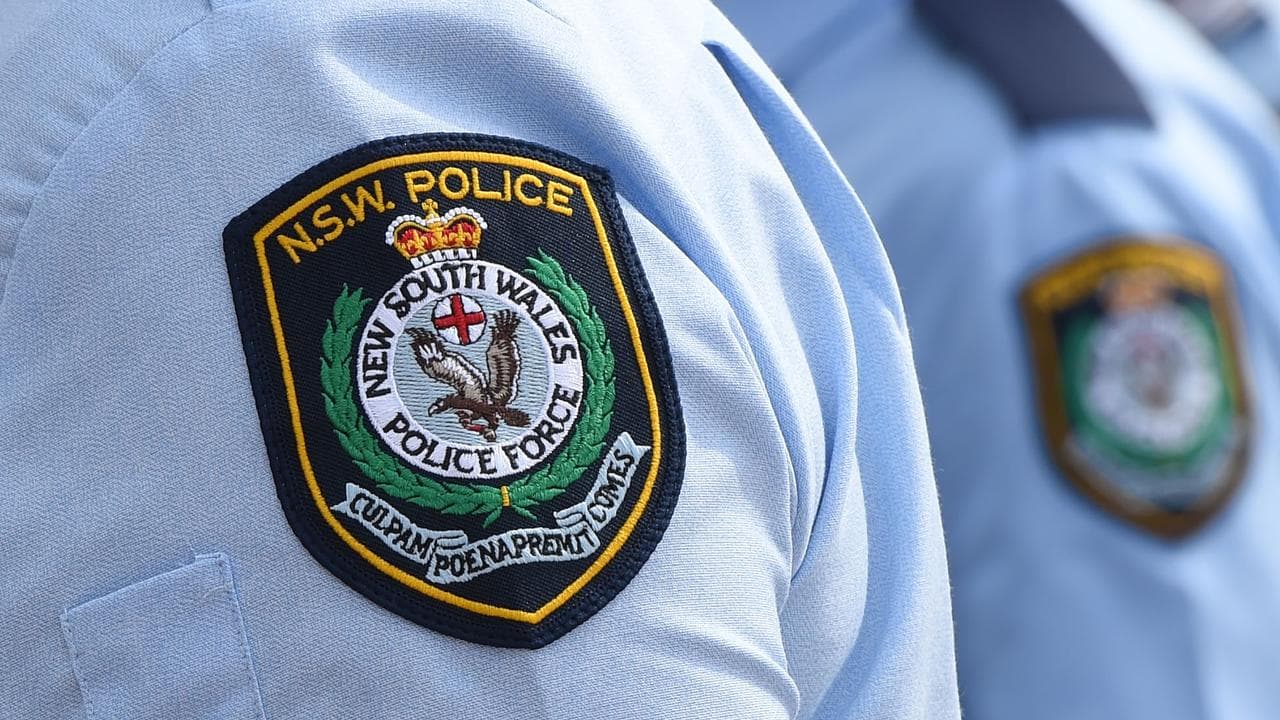
The initial police investigation into Ms Dutton's death was flawed, the coroner found.
The officer in charge had never worked in Wilcannia before and was not informed she was leading the investigation until a week after it commenced.
The young detective went on leave the day after Ms Dutton's body was found, without obtaining formal statements from witnesses.
CCTV footage from the home of Ms Dutton's partner, who was the subject of an apprehended violence order and was a person of interest, was also not immediately collected.
"It is apparent that the lack of formal statement taking conveyed to the community that the investigation was not being taken seriously," Judge O'Sullivan said.
However, the coroner said the officer showed courage in apologising and airing her experience of an unsupportive culture in the isolated police district.

The coroner made several recommendations, including improved police staffing in Wilcannia and 24-hour support from the homicide squad for rural officers.
She also recommended local police, health and Indigenous organisations meet to explore the possibility of creating Aboriginal counsellor roles.
Local Monica Kerwin told the inquest the town could not continue grieving its young people, though it remained "resilient and full of hope".
Other locals told the inquest Wilcannia was like a "little family" and it needed to be trusted with its own future and self-determination.
Judge O'Sullivan said she hoped the inquest and her recommendations provided a "meaningful pathway forward".
13YARN 13 92 76
Lifeline 13 11 14


