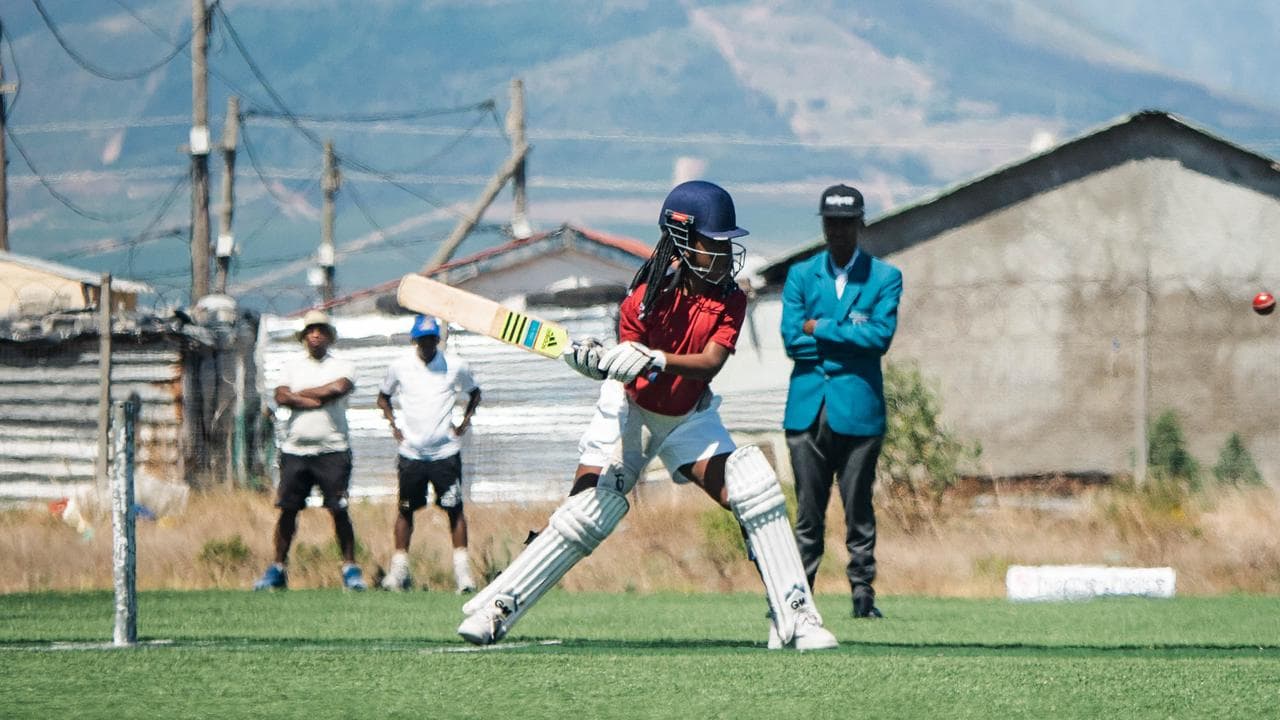
Around 25 kilometres down the road from arguably the world's most picturesque cricket ground at Newlands lies the other side of South Africa.
One where cricket is desperately trying to be a vehicle for change, helping keep kids away from the social evils of gangs, guns and drugs on the streets.
"Cricket has changed most of our young people," Lusindiso Malilwana, the coaching director at the Catch Trust in Khayelitsha, tells AAP.
"From those in primary school to high school.
"Cricket saved me. It saved my life and gave me structure.
"And now I see guys progressing in their life, actually changing their family stories. Because they are caught in sport and then caught in education."
The largest township in Cape Town, Khayelitsha is one of several reminders that the impacts of Apartheid are still being felt today.
Official figures vary, but some estimate between one and two million people live largely in the densely populated town made up largely of shacks.
Built in the 1980s as part of the forcible rehoming of Black Africans, living standards remain a major issue. Unemployment sits at above 50 per cent and the median household income is 20,000 rand ($A1700) per year, while crime is rife.
It's a scene of direct contrast to the venue of this week's third Test between Australia and South Africa at the foot of Table Mountain.
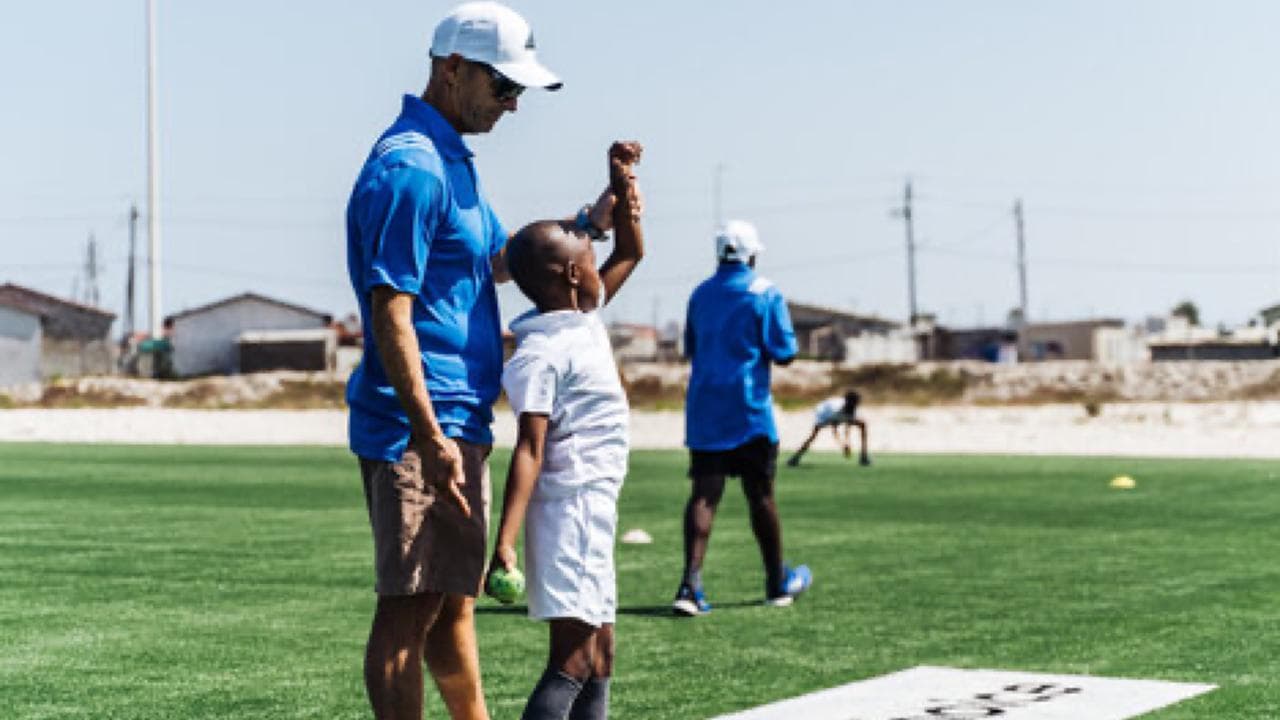
Launched as the Gary Kirsten Foundation by the former Proteas batter in 2014, the Catch Trust is a training program for around 450 local children in the town.
Donations have helped build an artificial turf field and indoor nets at a local school, with elite coaching on offer.
Players have also been able to tour England and play against school sides on tour.
Up to 100 coaches are also being skilled up each year to help run programs and set up their own businesses, with organisers hoping to spark generational change.
It's not just cricket. Tutoring, empowerment programs and links to universities form a key part, while skills are taught for job interviews and life outside of sport.
The indoor centre has become a safe haven for children to do schoolwork, using laptops and the internet.
"We found during COVID when sport wasn't possible, one of our players died through a gangsterism kind of thing," managing director Tim Human says.
"There is so much temptation in terms of drugs and gangsterism.
"And there is a lot of violence and crime in these areas. It's extreme poverty and that leads to all of these things.
"Domestic abuse is rife. The crime levels - for a woman especially, it's an extremely dangerous place.
"But when they are here in a safe space within the school environment, it keeps them together in a safe space with positive role models and positive experiences."
As Malilwana puts bluntly, the "guys with the guns" run the streets, with poverty making children vulnerable to being recruited by gangs.
But this is not a story of pain and destruction.
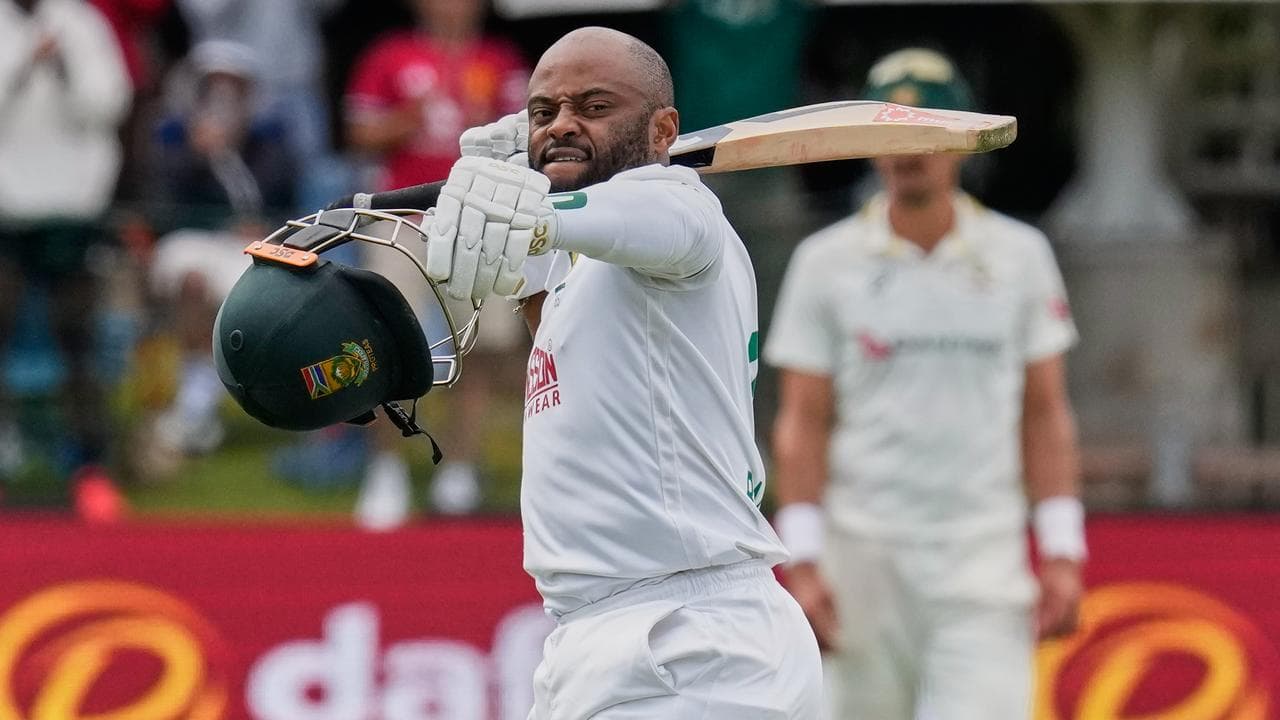
It is one of hope, best shown by the rise of Proteas captain Temba Bavuma from Langa, a similar township nearby.
For Bavuma, his chance came through scholarships outside of his town, which helped put him on the path to being one of South Africa's finest ever captains.
But Kirsten, who remains a director, Human, Malilwana and the fellow coaches are also desperate to create an environment inside the township for children to thrive.
"I believe that there are hundreds of Temba Bavumas out there who've never picked up a cricket bat," Human says.
"Our slogan is talent is universal, but opportunity isn't. And going around this township, there's so much talent in all spheres of life.
"Kids progress at different ages, they have different challenges, so sometimes they go into these scholarships, it's a massive cultural shift.
"Whether it be education, whether it be kids having smartphones and fancy shoes and they have to kind of keep up."
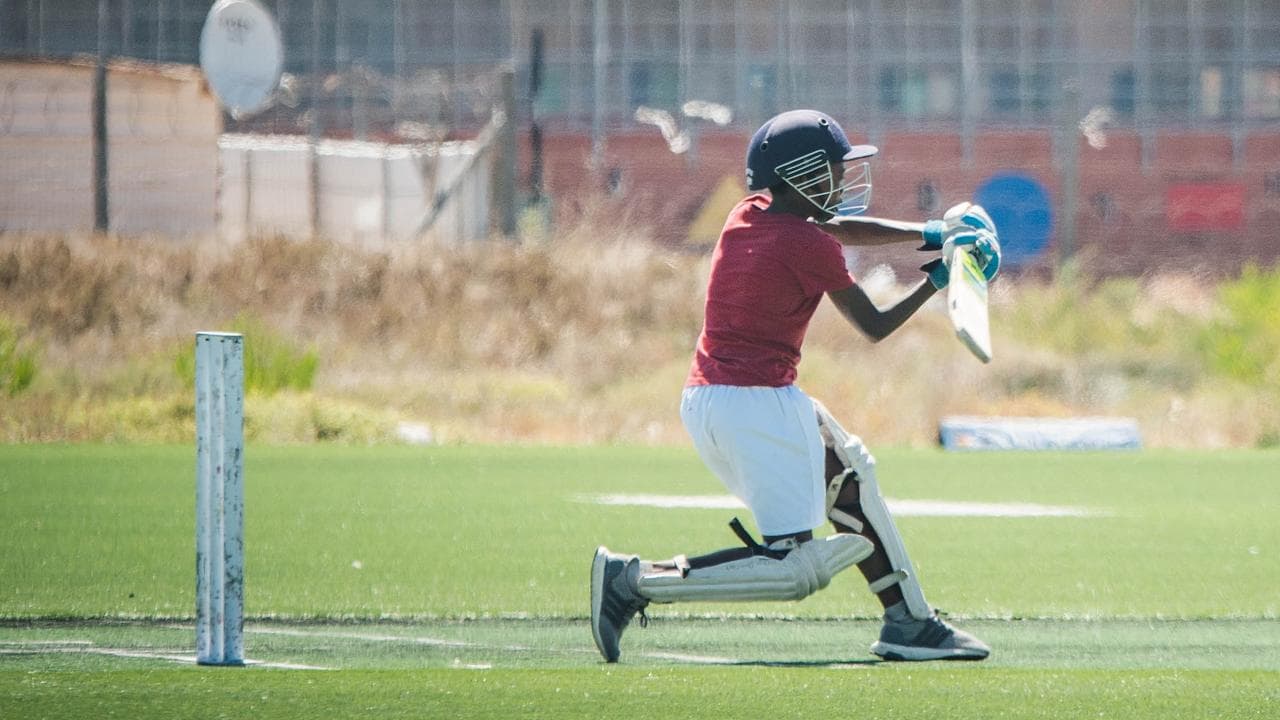
Some 12 years into its existence, the program has already helped blood two first-class cricketers in Asakhe Tsaka and Bongi Mfunelwa.
Equally important has been the focus on a women's program, with Sinelethu Yaso having been picked as a reserve in South Africa's squad for last year's U19 World Cup.
"It's not going to be immediate. But there's just so much talent, whether that be in cricket, sports, art, music or whatever," Human says.
"Last year, for example, we had 33 players picked in age group (representative teams).
"If it results in a Protea or two, that's fantastic. But it's not the overall aim ... whatever sphere it is, to use cricket as a vehicle for change is really powerful.
"It's very much about the whole ecosystem, but we still have a focus on high-performance cricket."
The system has spread across multiple schools in Khayelitsha, with links to the local cricket club.
"It's massive work, but it's what we wake up to do," Malilwana says.
"Because at the end of the day, they come back and say 'coach, I can fix the car'. 'I can paint' or 'I plan to be a doctor in seven years'.
"The major thing for us is we see the impact. If you leave them there, you can see what's going to happen. But if you light the candle, they will bring it back."
Officials are desperate for this to be repeated across several towns, with Khayelitsha far from a one off in South Africa.
"We are a very small case study, I think, of what's possible," Human says.
"We're going to work in Langa, training up coaches at the moment. In Paarl, we've got a partnership with a school.
"The country is massive, and the needs are massive and we understand that we can't do it alone.
"What we want to do is slowly but surely build a model that's replicable."


