Teenagers will be warned that artificial intelligence chatbots are not human, cannot feel emotions and cannot fall in love under safeguards designed for underage users.
The reminders will be one of several changes launched by OpenAI as part of its ChatGPT for Teens service, which began rolling out to users late on Tuesday night.
Other reforms will include “responsible homework reminders” that encourage students to solve problems step by step, greater parental controls, and notifications if users ask about topics such as violence, eating disorders and self-harm.
The restrictions follow several US lawsuits against AI companies that allege chatbots contributed to teens’ mental health issues, and age restrictions placed on 10 social media platforms in Australia.
OpenAI will roll out the restricted service over three weeks and make ChatGPT for Teens the default offering for any user its age-prediction systems identify as under 18 years.
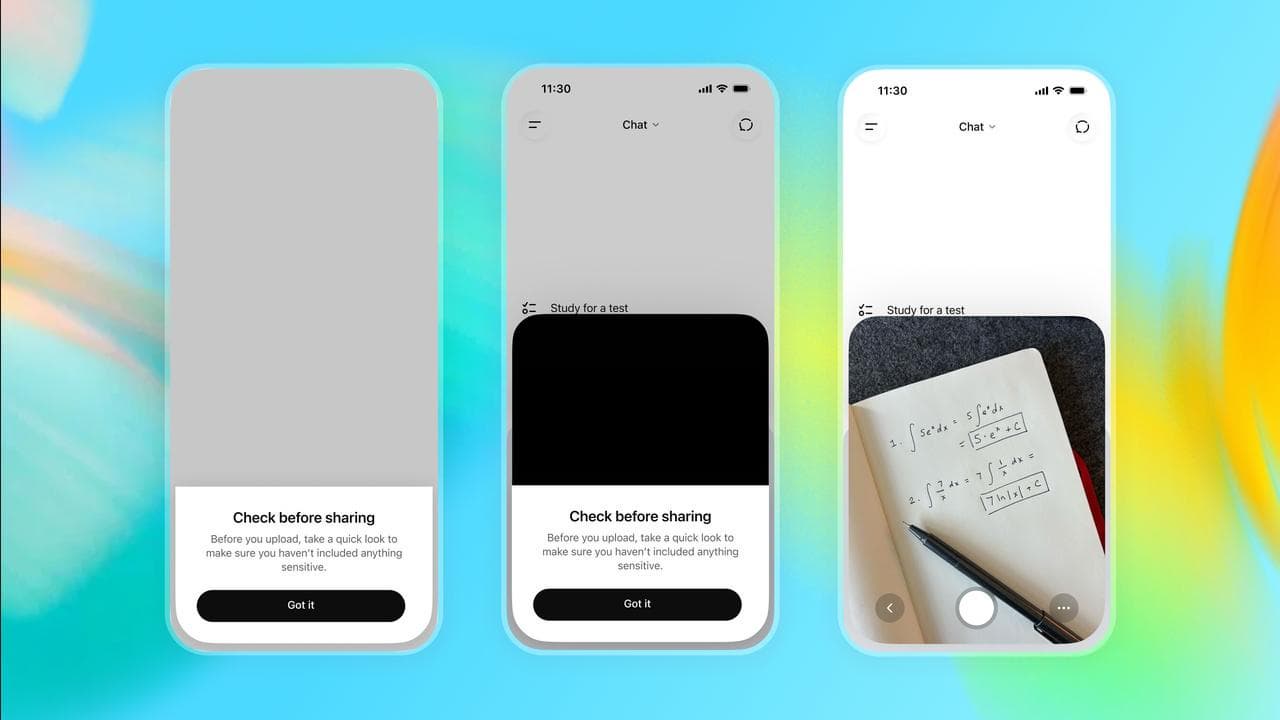
The service will add features designed to support educational AI use, including study mode that will offer guiding questions and homework reminders when users appear to be asking for direct answers.
Most teens who used ChatGPT did so as part of their studies, OpenAI Australia and New Zealand policy head Brent Thomas said.
“Today’s teens are digital natives and really the first generation growing up with AI,” he said.
“We believe it’s really critical for teens to have access to AI but, at the same time, we also understand that access must be paired with the right protections designed specifically for teens.”
The service was designed to reduce exposure to harmful and inappropriate content, Mr Thomas said, and would include more frequent break reminders, and warnings that AI was not human.
“ChatGPT should not present itself as human or sentient, express personal feelings, use romantic language or replace trusted people," he said.
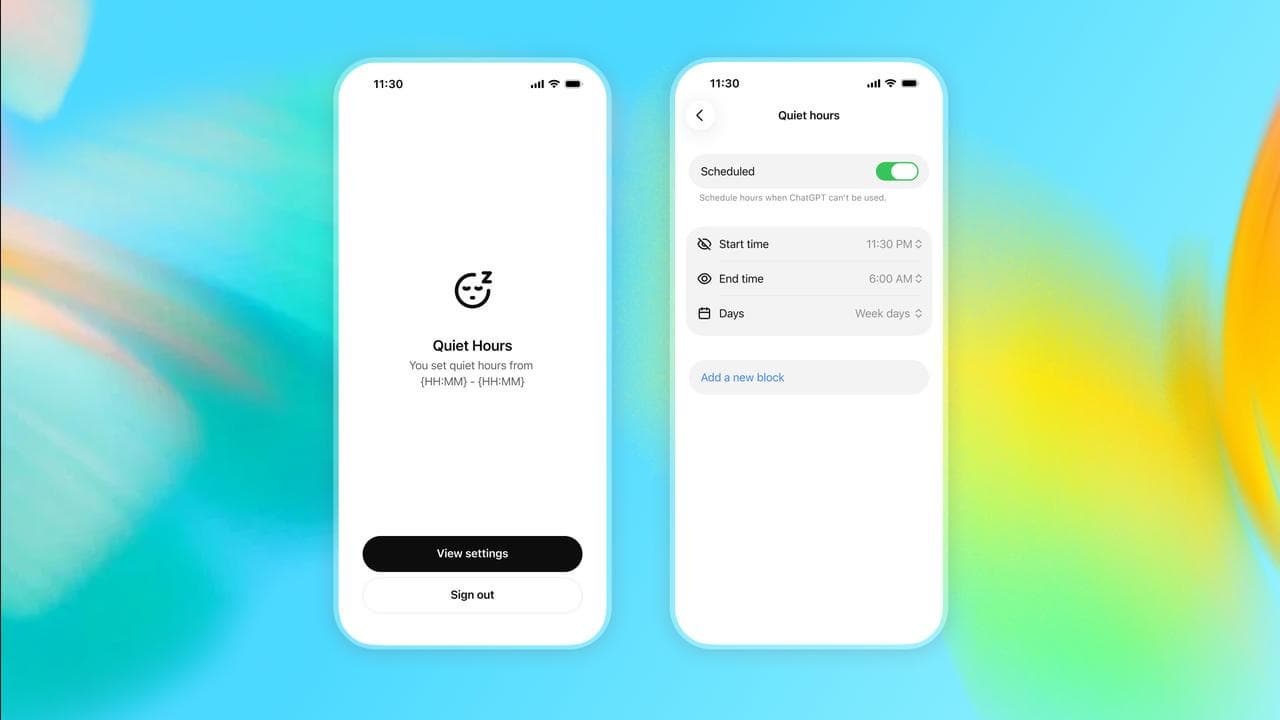
Parental controls would also be expanded under the service to allow for quiet and study hours, reduce sensitive content, and remove the option to create images.
Parents could also receive notifications if their teen asked about high-risk topics such as self-harm, violence or eating disorders, OpenAI youth and families global head Lauren Jonas said.
“Our goal is to provide teen privacy so we do not share the full prompt and generation text with parents, but to give parents enough information to take an action and to encourage offline support,” she said.
Questions from teens will be reviewed by OpenAI employees before notifications are sent to parents, she said, and the company would strive to deliver notifications in less than an hour.
More than one billion people use OpenAI’s models worldwide, though the company has not revealed how many are under 18 years.
In March, the eSafety Commission released a report into the efforts of four AI services popular with children, and warned many did not use tools to detect harmful information or negative conversations.
Lifeline 13 11 14
Butterfly Foundation 1800 334 673
beyondblue 1300 22 4636


