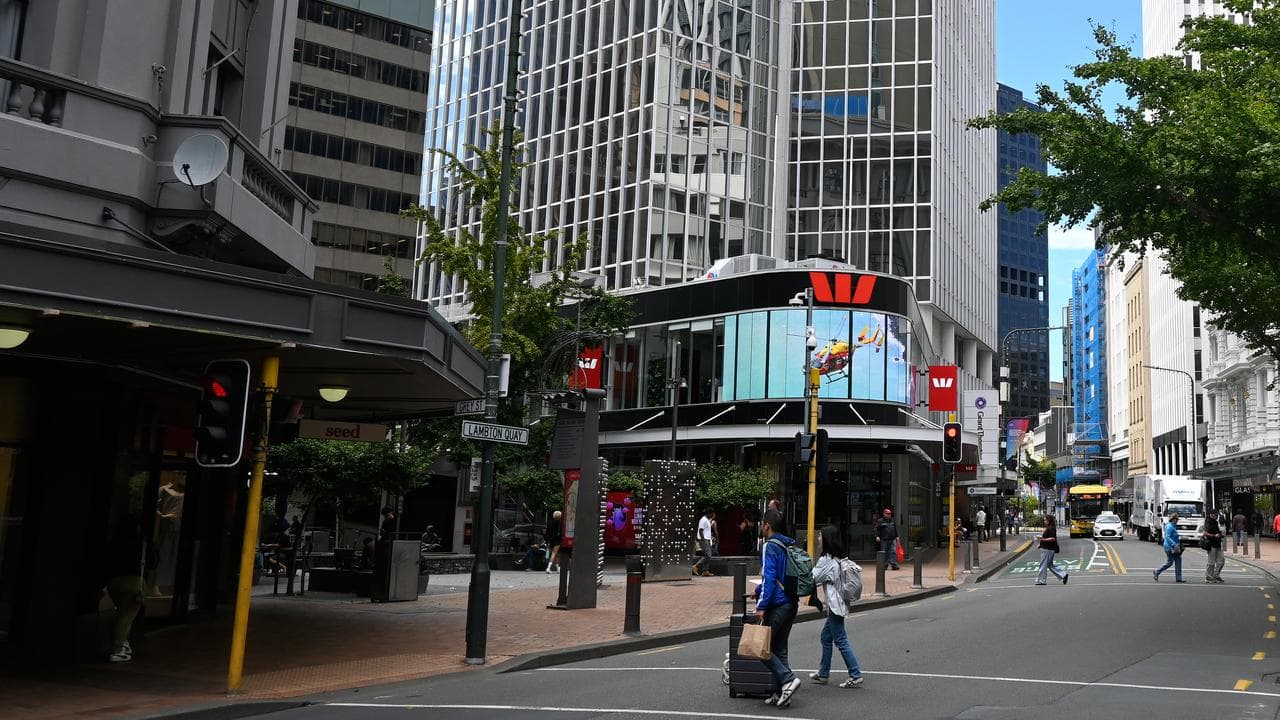
Inflation in New Zealand has come in a tick under expectations, raising hopes the central bank could stay a rate rise next week.
However, an annual consumers price index of 3.7 per cent - driven by fuel costs - remains too hot to handle, meaning it's a matter of when not if for the Reserve Bank (RBNZ).
Thursday's release from Stats NZ carries great political rammifications, with voting already underway in New Zealand's November 7 election.
On that score, it's a bittersweet result for the National party and its governing coalition.
The rate wasn't as high as most retail banks and the RBNZ were forecasting, and is a dip from 4.1 per cent in the year to June.
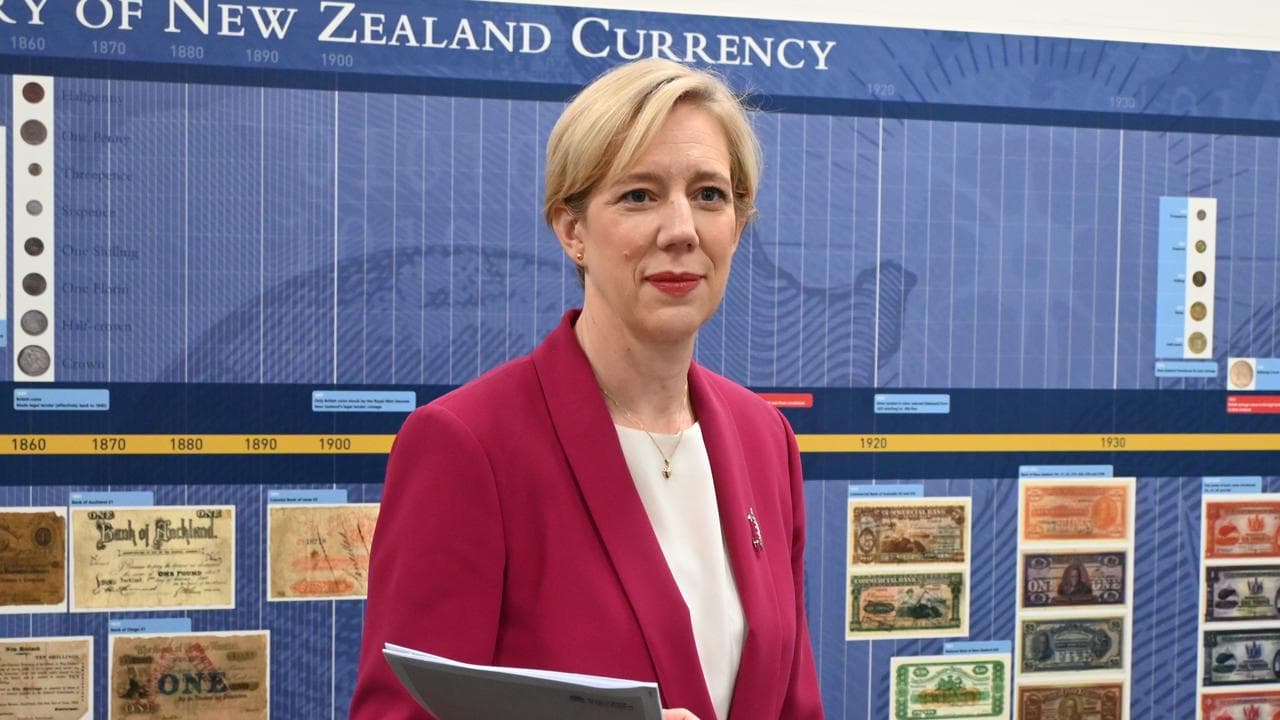
Still, inflation has now been outside the target bank for a year, leading to two rate rises in the past six months.
A third was 25 basis point rise was considered 75 per cent likely at next week's RBNZ meeting.
That decision, on October 28, will now come into sharp focus.
ASB senior economist Mark Smith said they believed CPI would stay outside the target band for at least two years, which would require the RBNZ to get moving next week.
"We currently expect 25bp hikes in October and December and a 3.25 per cent OCR peak," he said.
"However, risks to the OCR over 2027 are heavily skewed to the upside, with our OCR forecasts under review."
In a cost of living election, the result is a reminder of the price pain felt by many Kiwis: especially at the service station.
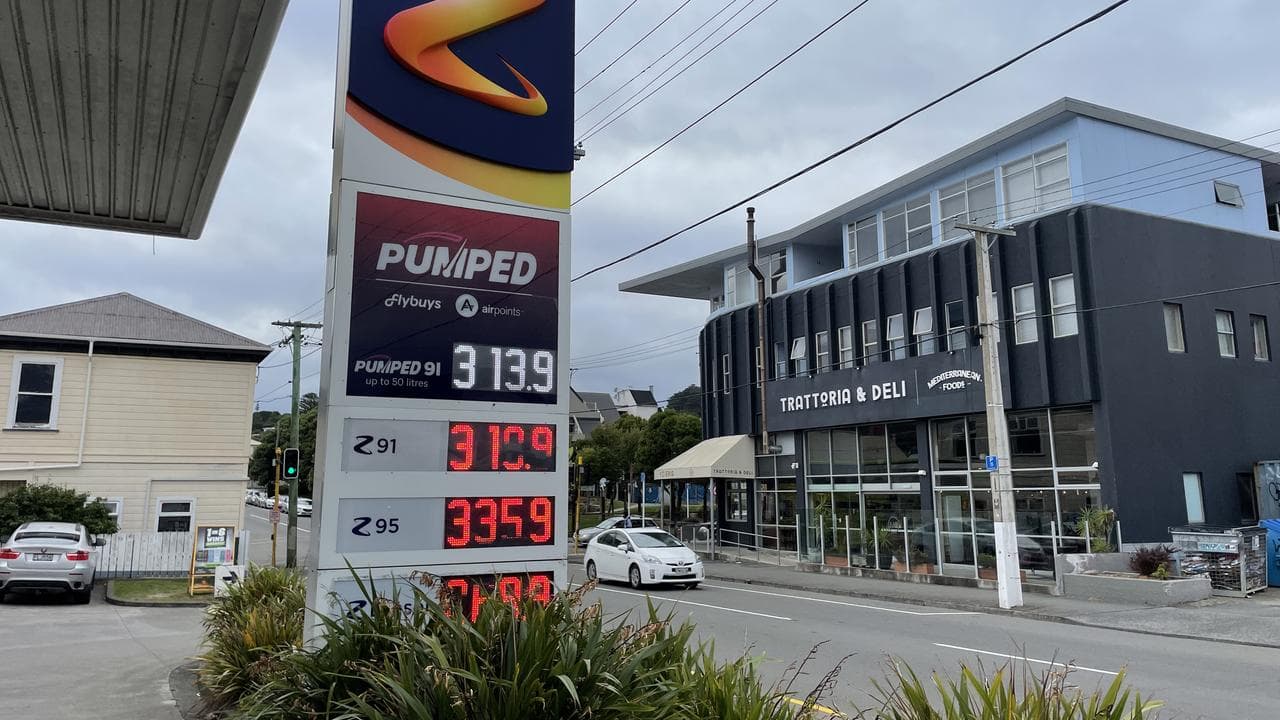
Petrol costs represented a sixth of overall price growth, soaring by 19 per cent in the year to September.
Fuel monitoring website Gaspy shows the average price of unleaded petrol at $NZ3.56 ($A2.88) a litre, up eight per cent in a month.
Earlier in the term, Prime Minister Chris Luxon took credit for a run of 225 basis points of post-pandemic easing to 2.25 per cent.
Now, the official cash rate is back up to 2.75 per cent, and likely to climb.
The key political question is whether it will happen in the fortnight before the election, or afterwards.
Also on Thursday, the NZ Herald released the results of its anticipated 'Mood of the Boardroom' survey of chief executives.
Education Minister Erica Stanford was named business' favourite politician, with Mr Luxon ranked 15th of the 28 ministers.
He still crushed Labour leader Chris Hipkins as the preferred prime minister, scoring 65 per cent support to three.
Mr Hipkins shook off the result, telling Newstalk ZB it was "not really a target audience for me".
"I'm more interested in the mood of the smoko room than the mood of the board room," he said.
Polls show an incredibly tight race between the left and right blocs to govern.


