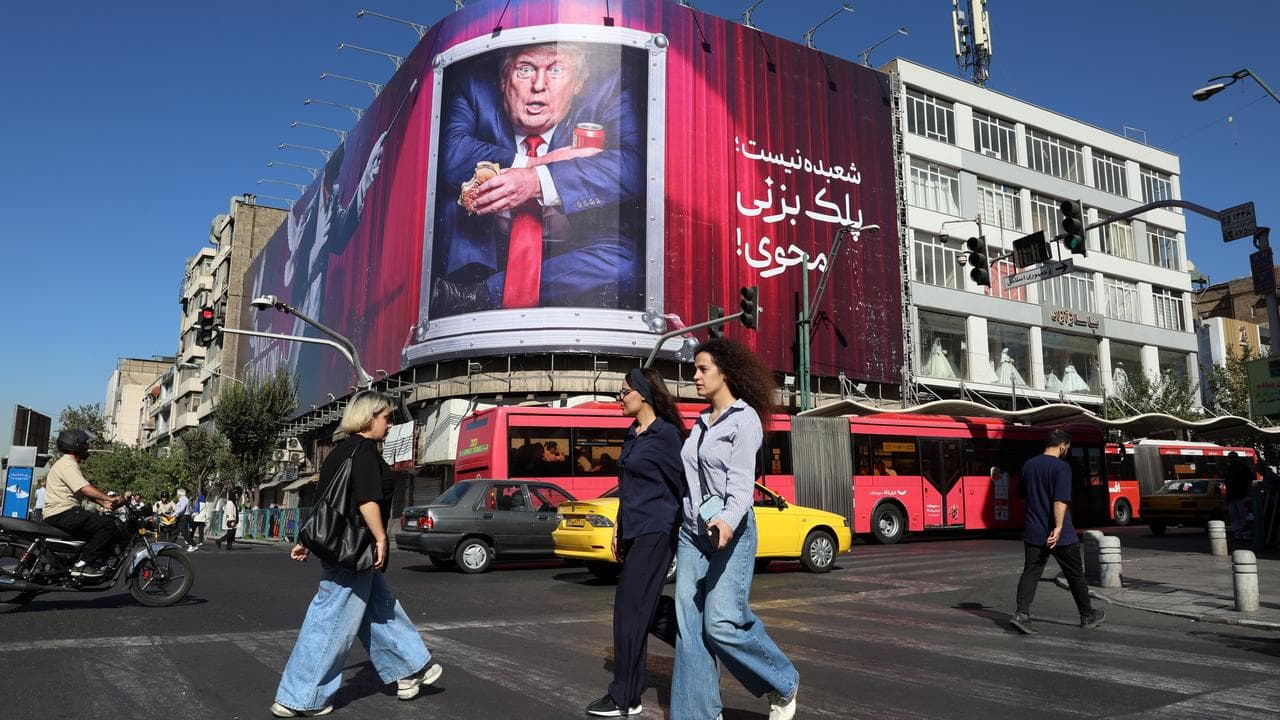
Iran is awaiting a US response to its proposal to reopen the Strait of Hormuz and end fighting in the Middle East war after the Wall Street Journal reported that President Donald Trump had rejected the deal.
Iran raised the diplomatic initiative at the UN General Assembly in New York, saying it had been transmitted to the Americans via Qatari mediators and could reopen the strategic waterway and put an end to hostilities in the region within seven days.
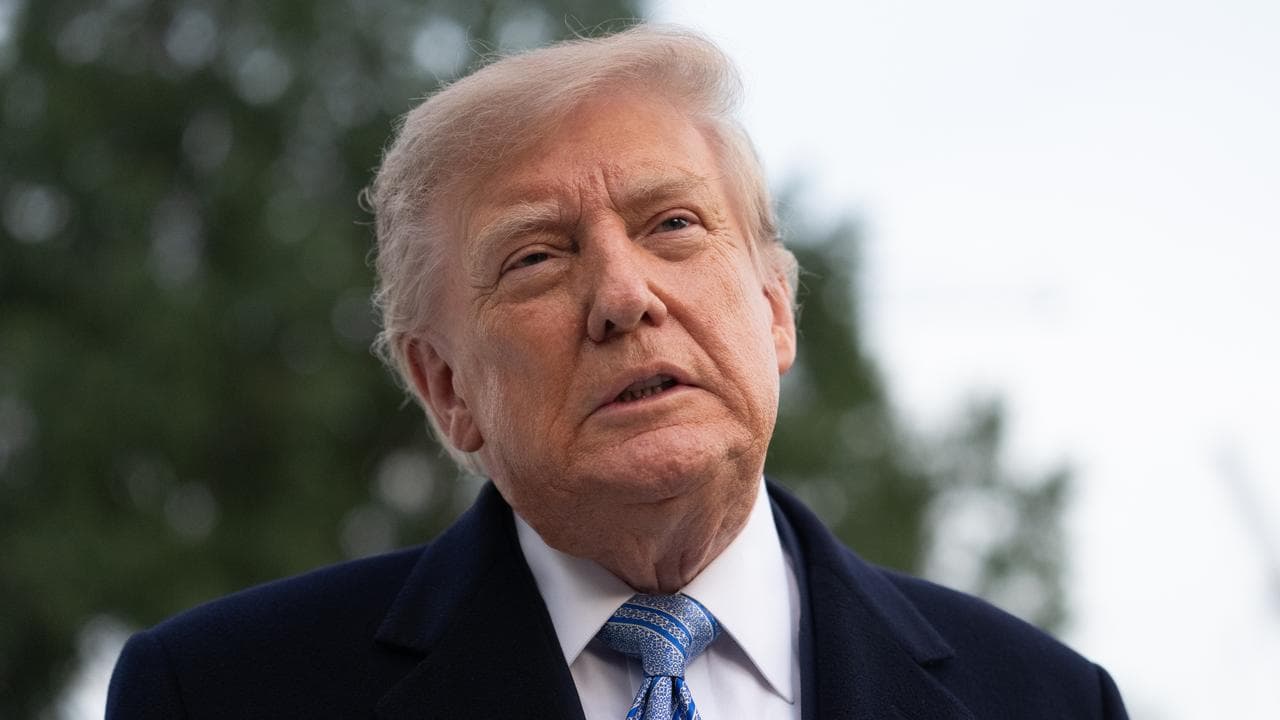
But Trump was privately sceptical that Iran would meet his demands and had told his staff he saw a renewed bombing campaign as likely after the November US midterm elections, the Journal reported, citing unnamed US officials.
Earlier, a US official had said discussions with Iran through mediators were "positive and constructive".
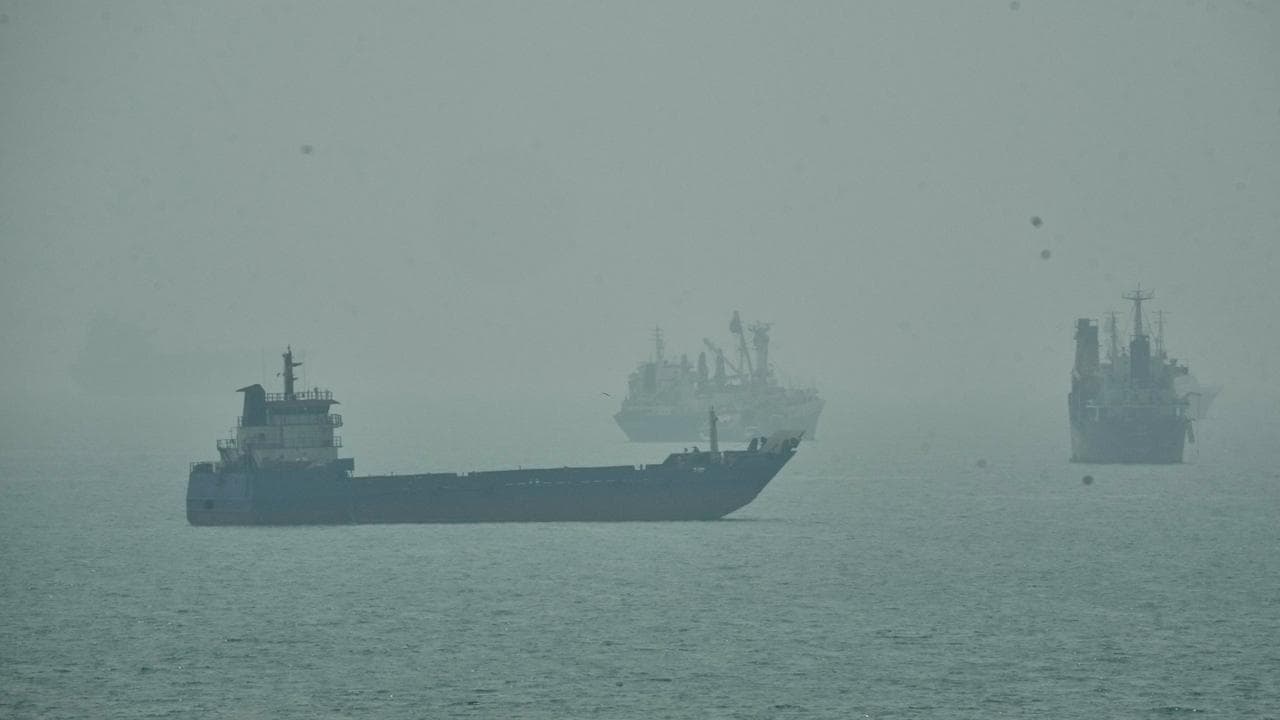
The Iranians also engaged their Saudi rivals regarding the strait, underscoring the stakes of a seven-month-old conflict that has disrupted oil flows through one of the world's most critical shipping lanes and taken a toll on the global economy.
Iranian Foreign Minister Abbas Araqchi told reporters at the United Nations on Friday the proposed deal would trigger a seven-day countdown to reopening the strait and a pause in regional fighting.
"If there is seriousness on the US side to come to a deal and reopen the Strait of Hormuz, everything is now prepared," Araqchi said.
If the US were to agree, the warring parties could start wider talks "on mutually agreed subjects", he said.
That could potentially include discussions of Iran's nuclear program.
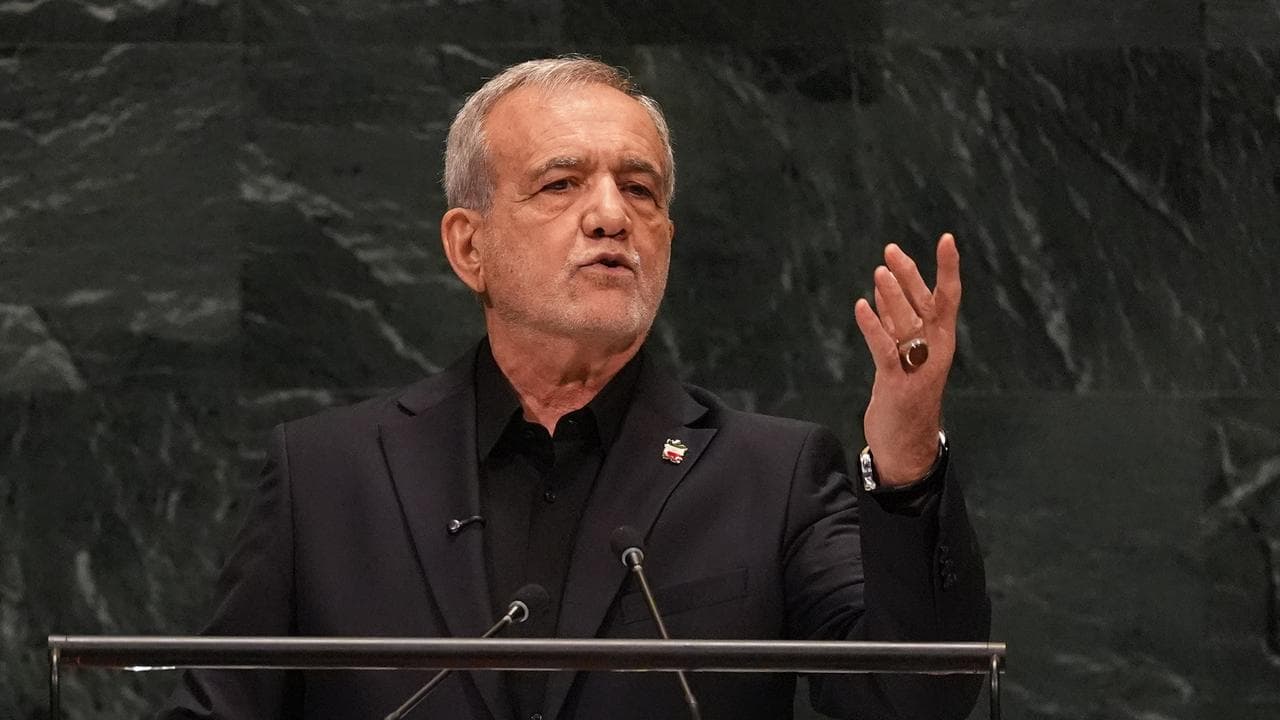
Iranian President Masoud Pezeshkian, in an interview with CBS, said Tehran was ready for talks on its nuclear program and other issues, but would not accept "bullying or coercion".
"Iran is not seeking war, but will defend itself against pressure, threats and attacks,” Pezeshkian said, adding that it had already agreed that "we're not supposed to develop nuclear weapons".
Araqchi said Iran had put forward a plan that would halt hostilities on all fronts, including Lebanon.
The plan in turn would require the United States to lift its blockade on Iranian ports, release Iran’s frozen funds, and waive its oil sanctions, Araqchi said.
Previous attempts at diplomacy have failed to end the war, which began on February 28 with US and Israeli attacks.
Since then the war has alternated between pauses and renewed strikes, killing thousands while degrading Iran's conventional forces and damaging Iran's already ailing economy.
Iran and its allies have retaliated by extending the conflict throughout the region.
Iran, which controls the strait along with Oman, has struck US allies in the Gulf with drones and missiles while its Houthi allies in Yemen have targeted Saudi interests.
Iranian-aligned militias in Iraq were blamed for a pipeline attack that temporarily took more Saudi oil off the market.
All the while, Iranian-backed Hezbollah has been engaged with Israeli forces in Lebanon.
The war's widening toll has also united Saudi Arabia's allies to shore up the kingdom's defences.
The Saudi-backed Yemeni government has come under assault from Iran-linked Houthi fighters, with Houthi missiles striking inside the kingdom.
Yemen's Saudi-led coalition said early on Saturday it intercepted two ballistic missiles launched by the Houthis towards Khamis Mushait and two drones headed towards the capital Riyadh.
The Houthis have launched attacks against Saudi Arabia since declaring a naval blockade against Riyadh in July, with strikes targeting Saudi vessels in the Red Sea.
The attacks have targeted Saudi cities, energy infrastructure and shipping, adding to pressures on global oil supplies caused by the US-Israeli war on Iran.
Defence officials of Turkey and Pakistan, both partners in a joint defence pact with Saudi Arabia, met in Riyadh on Friday to review the security situation and discuss intelligence co-operation, military co-ordination and integrating forces, the Saudi defence ministry said.


