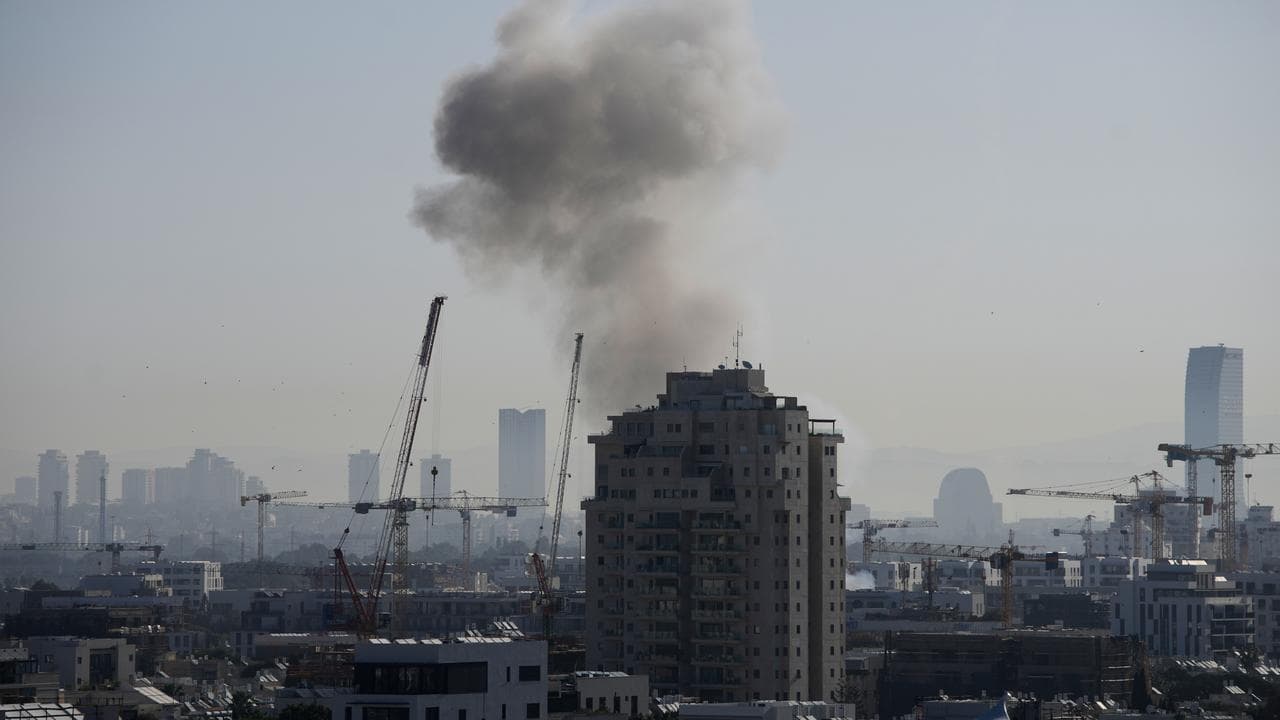
Iran has launched waves of missiles at Israel, the Israeli military says, after US President Donald Trump postponed the bombing of the Islamic Republic's power plants and other energy infrastructure because of what he described as productive talks with Iranian officials.
The missiles on Tuesday triggered air raid sirens in Israel, including Tel Aviv, where gaping holes were torn through a multi-storey apartment building.
Israel's Fire and Rescue Service said they were searching for civilians trapped in one building in Tel Aviv and discovered civilians in a shelter in another damaged building.
Israel's military said on Tuesday its fighter jets had carried out a large wave of strikes in central Tehran on Monday, targeting key command centres, including facilities associated with the Islamic Revolutionary Guard Corps’ intelligence arm and the Iranian intelligence ministry.
It said more than 50 additional targets were hit overnight, including ballistic missile storage and launch sites.
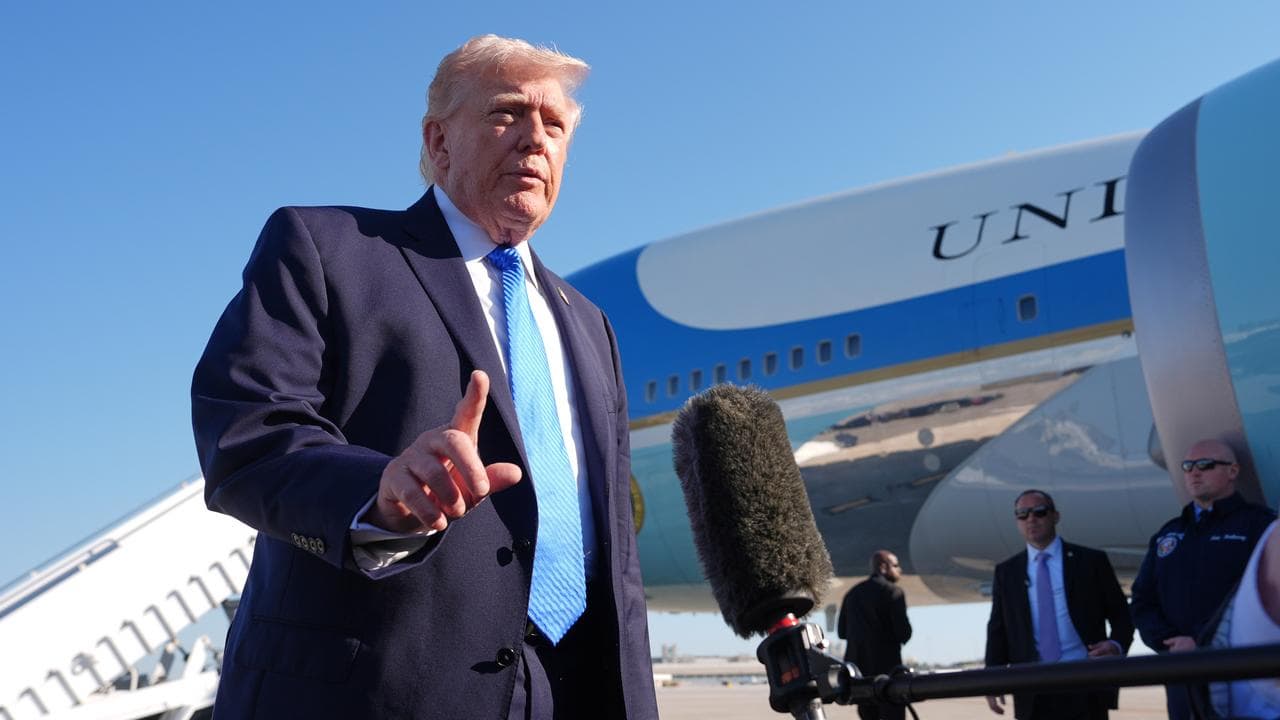
Trump wrote on his Truth Social platform on Monday that the US and Iran had held "very good and productive" conversations about a "complete and total resolution of hostilities in the Middle East".
As a result, Trump said he was postponing for five days a plan to hit Iran's power plants, which he had threatened if Iran did not reopen the Strait of Hormuz.
However, the pause only applied to Iran's energy sites and US strikes on the country continued, US news outlet Semafor reported, citing a US official.
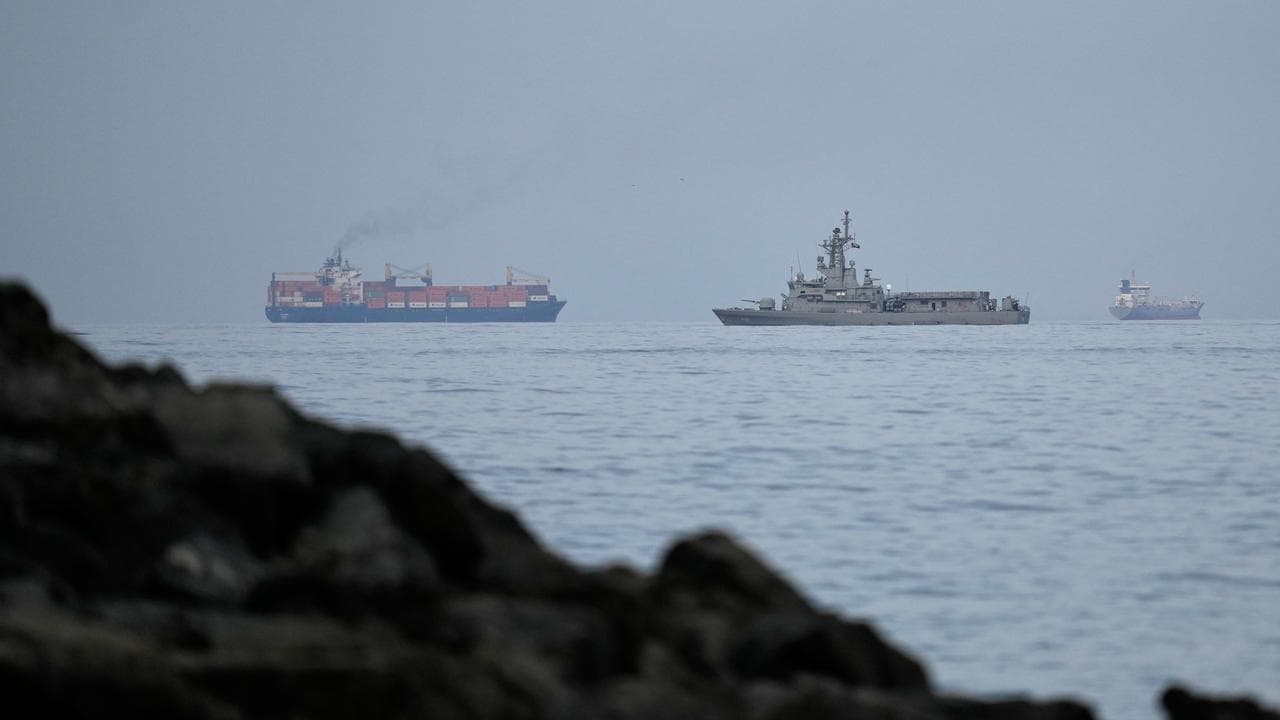
Iran has effectively closed the key strait, a conduit for about 20 per cent of the world's oil and liquefied natural gas, since the US and Israel launched their war on February 28.
More than 2000 people have been killed in the war.
Iran responded to the threat, saying it would hammer infrastructure of US allies in the Middle East, raising the prospect of an extreme disruption to global energy supplies.
Trump's step-back sent share prices higher and oil prices sharply lower to below $US100 a barrel, a sudden reversal to a market swoon caused by his weekend threats and Iran's vows to respond.
Those gains were in jeopardy on Tuesday, however, after Iran's powerful parliament speaker Mohammad Baqer Qalibaf - who an Israeli official and two other sources familiar with the matter said was the interlocutor in the talks on the Iranian side - said no negotiations had taken place.
"No negotiations have been held with the US, and fake news is used to manipulate the financial and oil markets and escape the quagmire in which the US and Israel are trapped," he wrote on X.
Iran's elite Revolutionary Guards said they were launching fresh attacks on US targets, and described Trump's words as "psychological operations" that were "worn out" and having no impact on Tehran's fight.
Trump told reporters his special envoy Steve Witkoff and son-in-law Jared Kushner, who had been negotiating with Iran before the war, had held discussions with a top Iranian official.
"We have had very, very strong talks. We'll see where they lead. We have major points of agreement, I would say, almost all points of agreement," he said on Monday.
A European official said that while there had been no direct negotiations between the two nations, Egypt, Pakistan and Gulf states were relaying messages.
A Pakistani official and a second source told Reuters that direct talks on ending the war could be held in Islamabad as soon as this week.
The Pakistani official said US Vice-President JD Vance, as well as Witkoff and Kushner, were expected to meet Iranian officials in Islamabad, following a call between Trump and Pakistan's army chief Asim Munir.
Iranian media reported that Iran's President Masoud Pezeshkian and Pakistani Prime Minister Shehbaz Sharif discussed the impact of the war on regional and global security.


