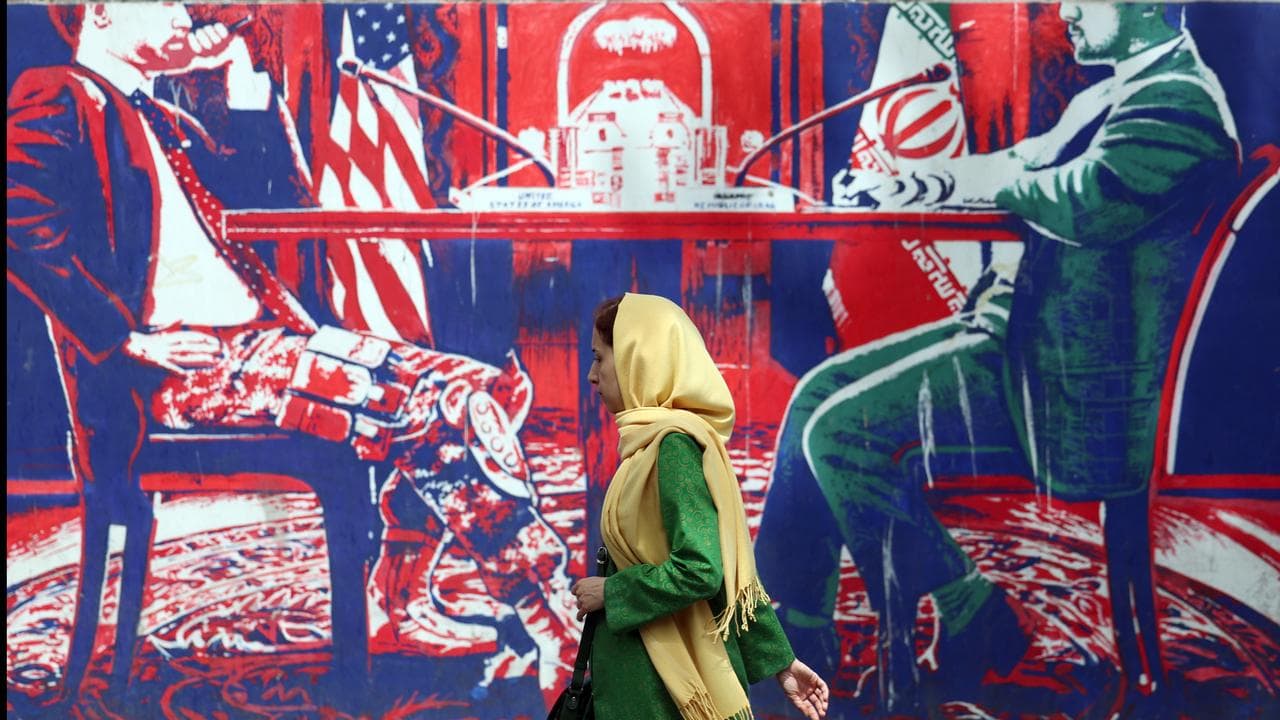
Iran will strike US bases in the Middle East if it is attacked by US forces that have massed in the region, its foreign minister said, insisting that this should not be seen as an attack on the countries hosting them.
Foreign Minister Abbas Araqchi spoke to Qatari Al Jazeera TV on Saturday, a day after Tehran and Washington pledged to continue indirect nuclear talks following what both sides described as positive discussions on Friday in Oman.
While Araqchi said no date had yet been set for the next round of negotiations, US President Donald Trump said they could take place early next week.
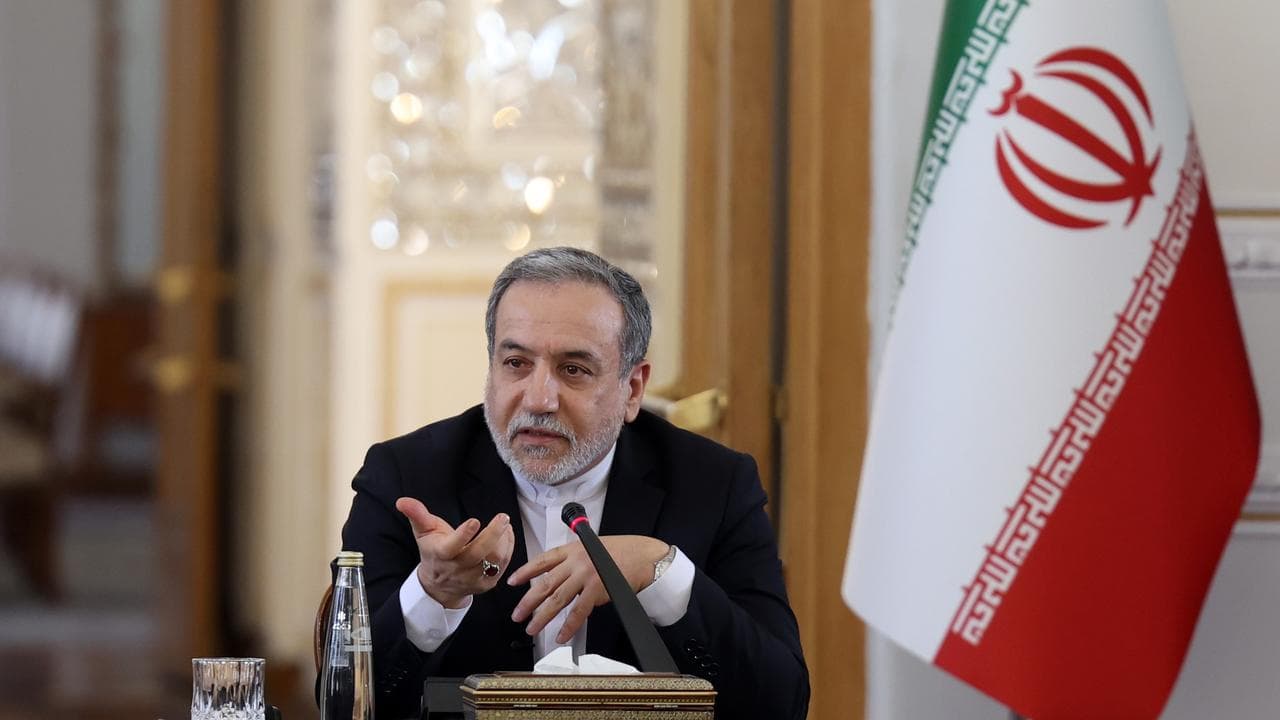
"We and Washington believe it should be held soon,” Araqchi said.
Trump has threatened to strike Iran after a US naval build-up in the region, demanding that it renounce uranium enrichment, a possible pathway to nuclear bombs, as well as stopping ballistic missile development and support for armed groups around the region. Tehran has long denied any intent to weaponise nuclear fuel production.
While both sides have indicated readiness to revive diplomacy over Tehran's long-running nuclear dispute with the West, Araqchi balked at widening the talks out.
"Any dialogue requires refraining from threats and pressure. (Tehran) only discusses its nuclear issue ... we do not discuss any other issue with the US," he said.
Last June, the US bombed Iranian nuclear facilities, joining in the final stages of a 12-day Israeli bombing campaign. Tehran has since said it has halted uranium enrichment activity.
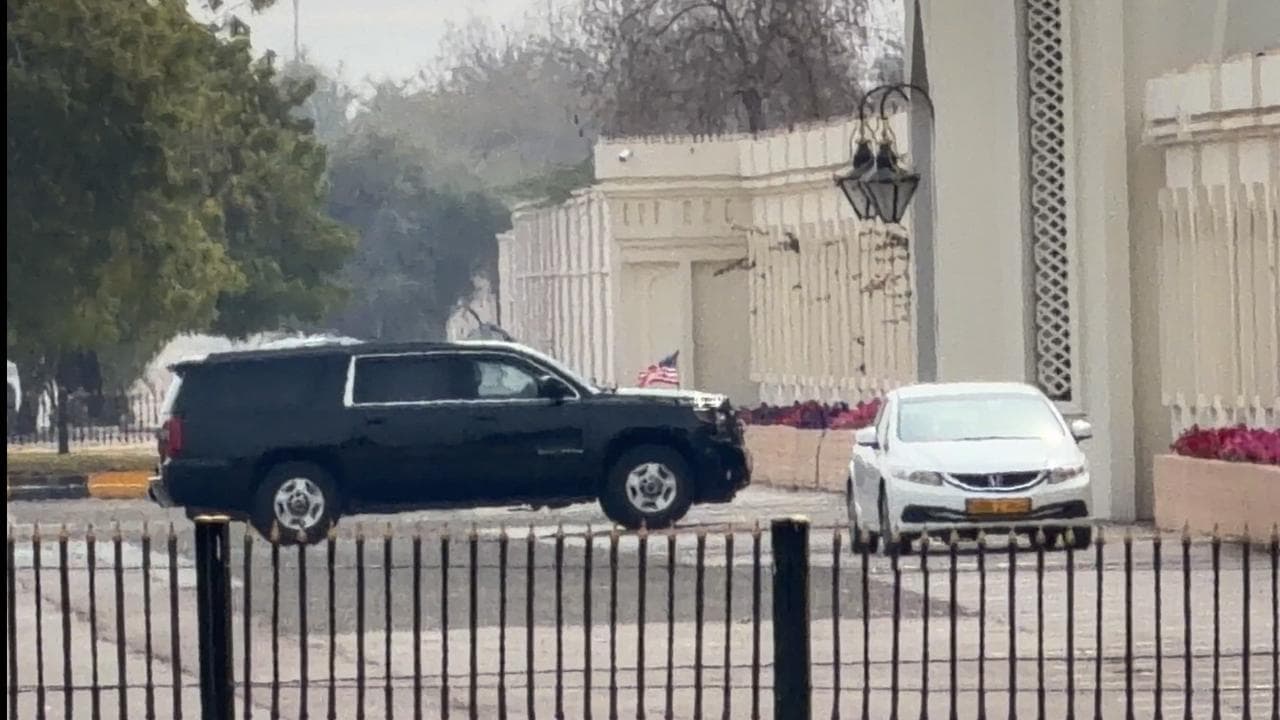
Its response at the time included a missile attack on a US base in Qatar, which maintains good relations with both Tehran and Washington.
In the event of a new US attack, Araqchi said the consequences could be similar.
"It would not be possible to attack American soil, but we will target their bases in the region,” he said.
“We will not attack neighbouring countries; rather, we will target US bases stationed in them. There is a big difference between the two.”
Iran says it wants recognition of its right to enrich uranium, and that putting its missile program on the negotiating table would leave it vulnerable to Israeli attacks.


