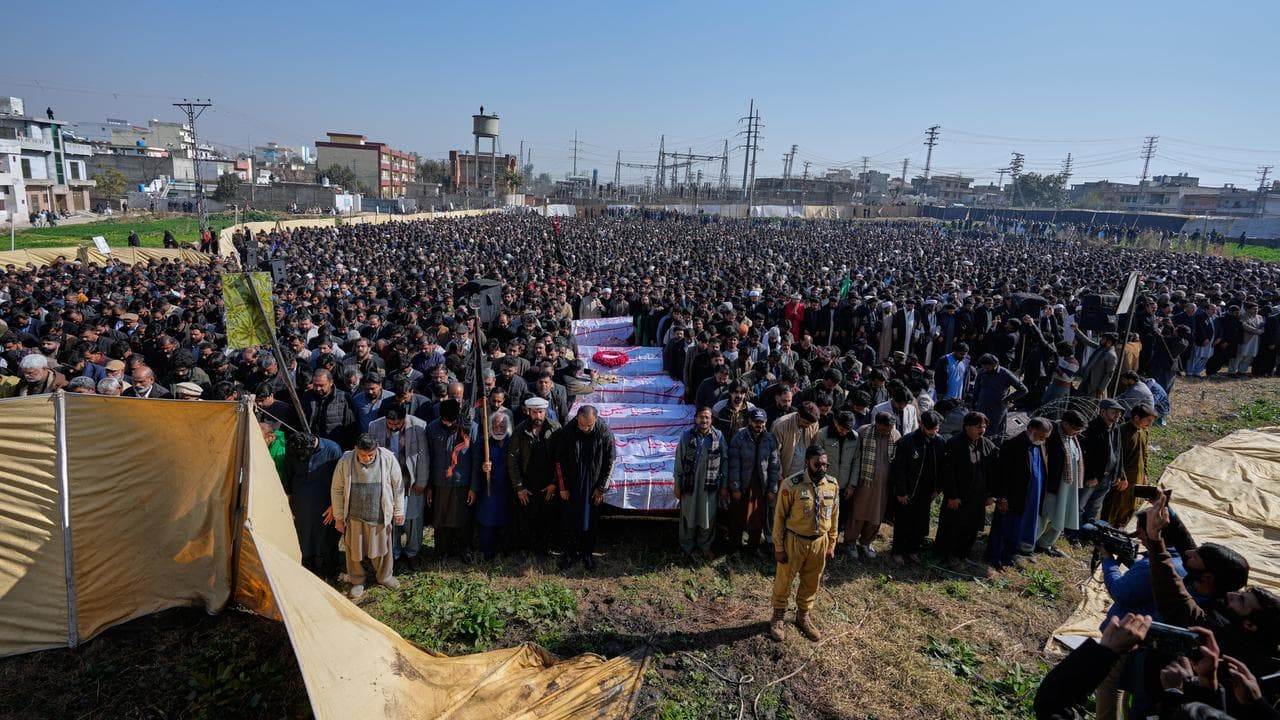
Thousands of mourners have gathered in Islamabad to start burying the 31 people killed in a suicide bombing at a Shi'ite Muslim mosque during prayers, as the city tightened security due to concerns there could be further attacks.
In Friday's attack a man opened fire at the Khadija Tul Kubra Imambargah compound on the outskirts of Pakistan's capital, then detonated a bomb that killed 31 people, as well as himself, and injured more than 170.
The Islamic State group claimed responsibility for the attack, the deadliest of its kind in Islamabad in more than a decade, in a statement on the Telegram messaging app.
While bombings are rare in heavily guarded Islamabad, this is the second such attack in three months and - given a recent rise in militancy - they have triggered fears of a return to violence in Pakistan's major urban centres.
Security was visibly beefed up across the city on Saturday, with police checkpoints set up on all main roads and streets leading to important sites. Police and elite commandos stood guard as funeral prayers for some of the victims were held in an open area near the Imambargah.
The government had boosted Islamabad's security and would be taking further steps to make sure it was “foolproof”, Information Minister Attaullah Tarar said.
Authorities had made progress in tracking the facilitators of the attackers, without elaborating, he added.
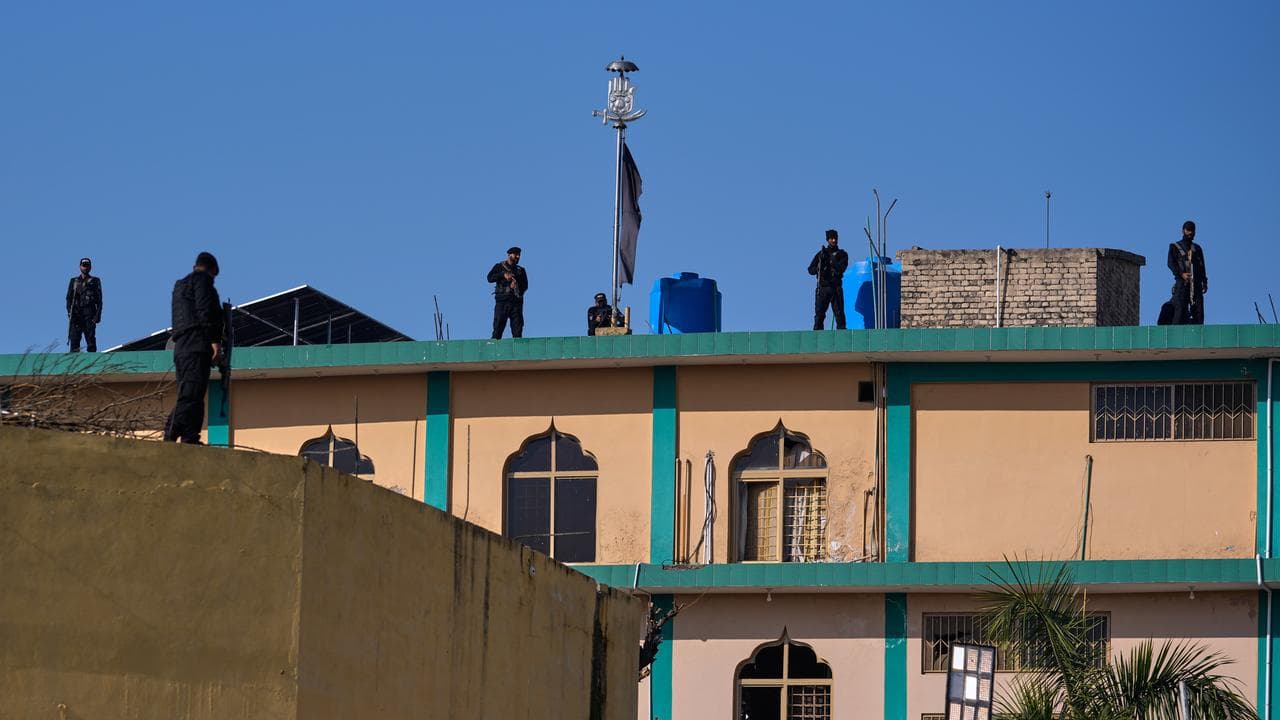
Shi'ites, who are a minority in the predominantly Sunni Muslim nation of 241 million, have been targeted in sectarian violence in the past, including by Islamic State and the Sunni Islamist group Tehreek-e-Taliban Pakistan.
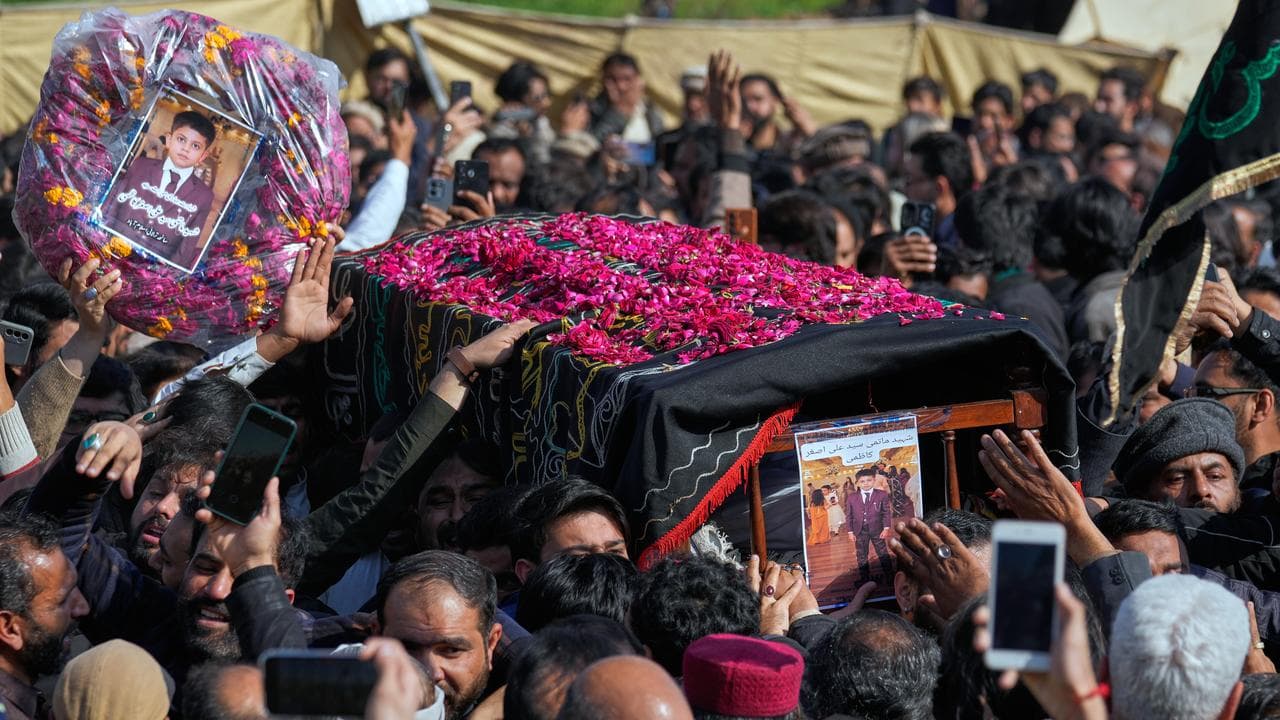
Thousands attended the mass funeral, which ended with mourners beating their chests before stooping to lift 20 coffins and carry them away for burial. Many of the mourners openly wept and cried.
“Whoever did this terrorism, may God burn them in hell and turn them to ash,” the imam presiding over the funeral, Hussain Muqaddasi, told mourners.
Ashiq Hussain, who lost his 21-year-old nephew Mujtaba Ali in the attack, said the family was “broken”.
“I want to ask what sin this young man had committed that he died a useless death,” he added.
The injured, some in critical condition, remain in Islamabad hospitals. Yaqoob Bangash, an official at Islamabad’s largest public hospital, said major surgeries had been carried out and the hospital had moved on to minor surgeries.
Bangash, who works at Pakistan Institute of Medical Sciences, said the hospital had sufficient resources to deal with the influx of patients after the attack.
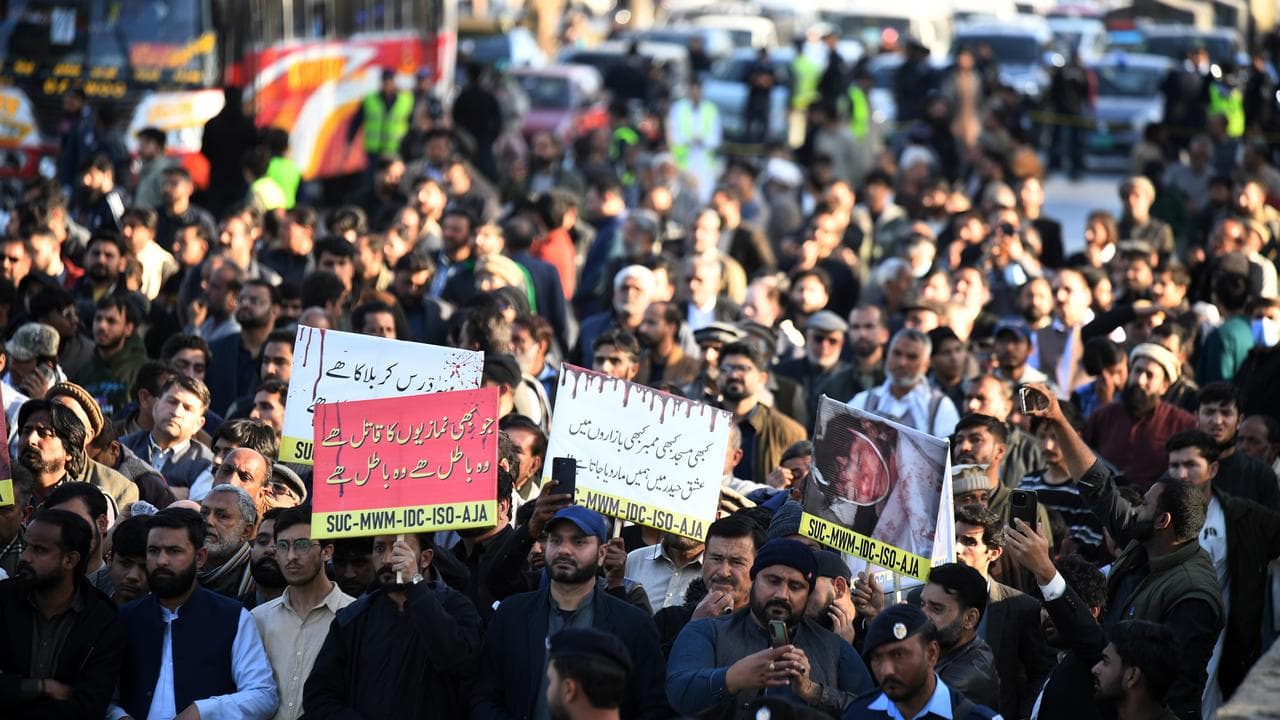
Law enforcement agencies conducted multiple raids in Peshawar and Nowshera overnight Friday and four people were arrested in connection with the attack, according to security sources.
One law enforcement agent was killed and three injured during the raids, the sources said.
A senior security official, who declined to be identified because they were not authorised to speak to the media, told Reuters that raids were ongoing.
Multiple agencies were involved in the raids and those detained had been shifted to a safe location where they were being interrogated about the suicide bomber, his handlers and support network, the official added.
The bomber had a history of travelling to Afghanistan, Defence Minister Khawaja Asif posted on Friday on X, blaming neighbouring India for sponsoring the assault, without providing evidence.
India's foreign ministry condemned the mosque attack and rejected allegations of its involvement as "baseless".


