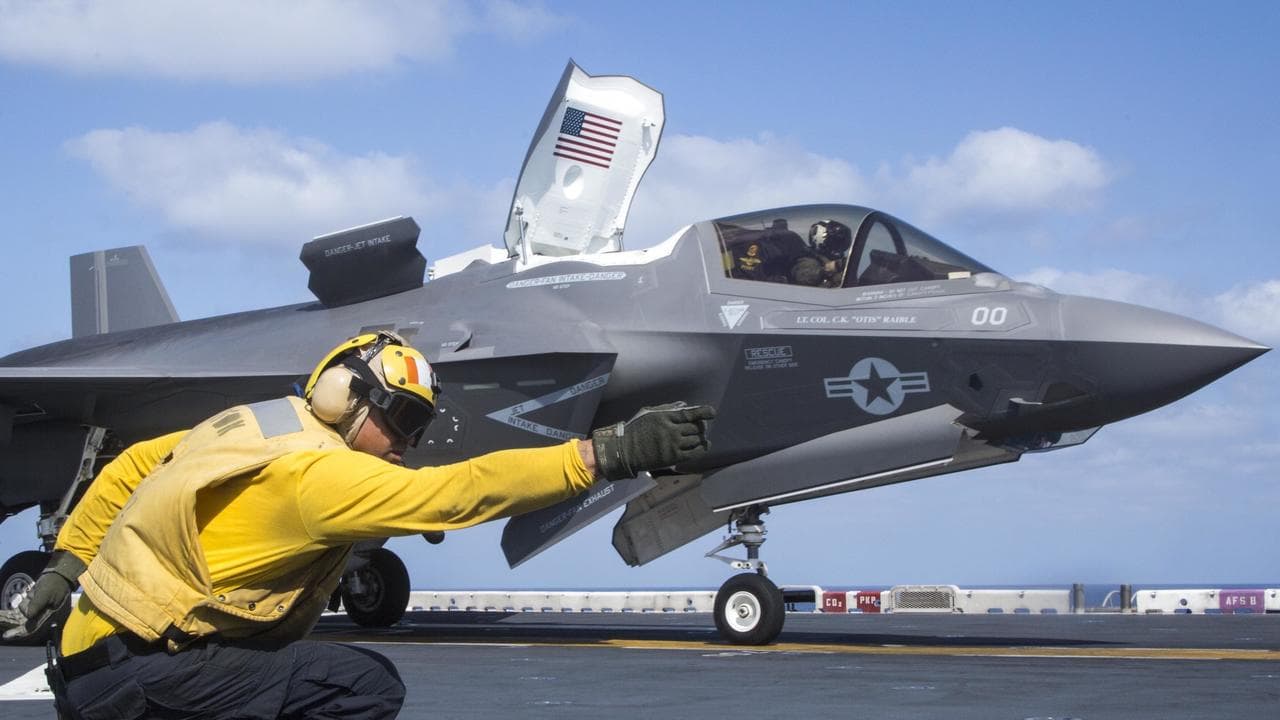
Iran and the US have continued their attacks in the Gulf as each accused the other of violating an interim deal signed less than two weeks ago to end their four-month-old war.
Shortly after President Donald Trump warned the US might "militarily complete the job", Iran launched missiles and drones on US military sites in Kuwait and Bahrain early on Sunday, continuing a series of escalating attacks.
The US military said earlier it had struck Iran again, hours after a tanker was hit in the Strait of Hormuz, the world's most important energy shipping route, which Iran had largely cut off for most of the conflict.
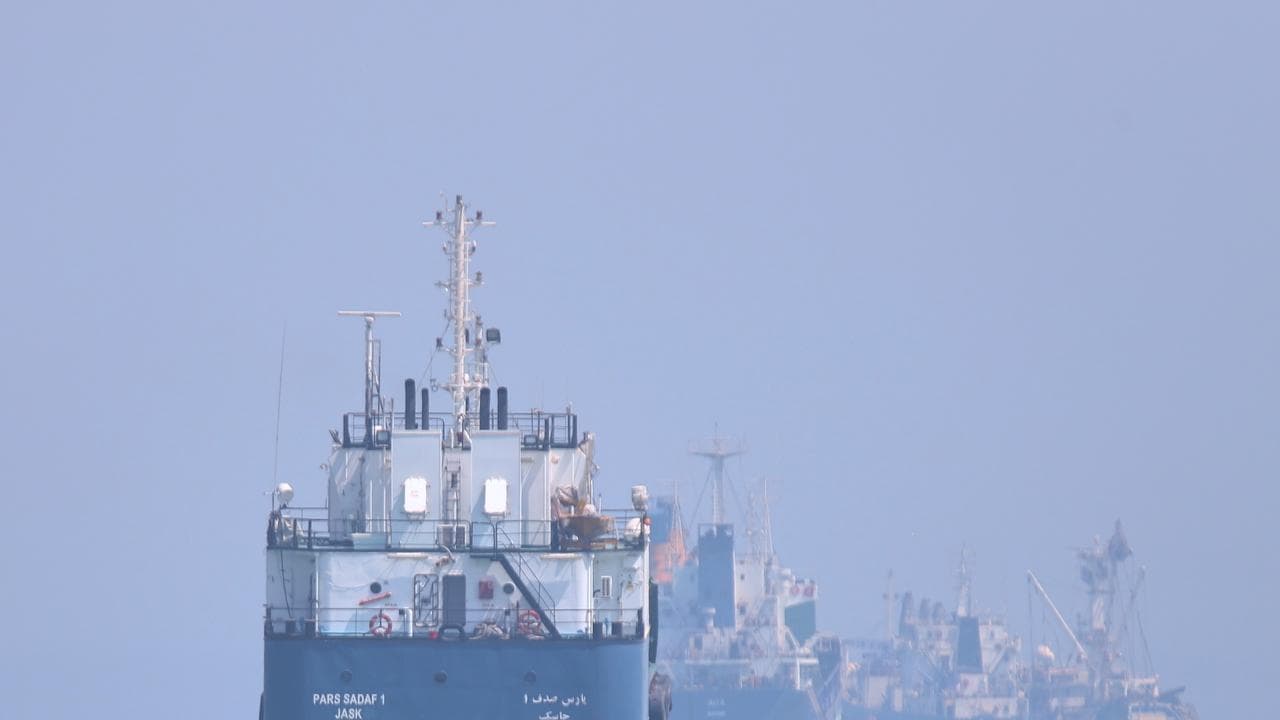
The 14-point US-Iran interim agreement was meant to halt the fighting, which the US and Israel started on February 28, and reopen the strait to shipping while talks began on more deep-seated issues, such as Iran's nuclear programme.
One round of mediated talks, led by Vice President JD Vance and Iran's Parliamentary Speaker, Mohammad Baqer Qalibaf, was held in Switzerland a week ago and Washington then waived sanctions on Tehran, but the fighting and recriminations have since resumed and intensified.
"There may come a point when we are no longer able to be reasonable, and will be forced to militarily complete the job that we very successfully started," Trump posted on social media.
"If that happens, the Islamic Republic of Iran will no longer exist!"
About an hour after Trump's post, the Kuwaiti army said its air defences were responding to "hostile" missile and drone attacks, while sirens sounded in Bahrain.
Iran's Islamic Revolutionary Guard Corps said its navy and air forces had launched joint missile and drone operations targeting US military sites in Kuwait and Bahrain in response to recent US strikes against Iran.
A US official, confirming the attacks on the facilities, said the situation was still unfolding but there were no reported US casualties or major damage to US sites in the Middle East.
The Guards said in a statement US strikes had violated the ceasefire and "will result in the complete halt of all diplomatic processes", according to state-run Press TV.
American bases in the region "will experience hell in the coming days", the statement said.
US Central Command said earlier that its forces had carried out fresh strikes after a Panama-flagged tanker was attacked by an Iranian drone on Saturday.
"Iran was given a chance to honor the ceasefire agreement but elected not to," Central Command said in a statement, adding the strikes were "in direct response to continued Iranian aggression against commercial shipping" and targeted Iranian military surveillance, communications, air defence, drone storage and mine-laying facilities.
Iranian state broadcaster IRIB said explosions were heard in Sirik in southern Iran, without providing further details.
The Guards said "America's blind shots at Sirik will not resolve our dominance over the Strait of Hormuz. But our shots at violators will remind the rest of the vessels of the clear passage route".
Saturday's tanker attack in the strait followed one on a cargo ship on Thursday that triggered the latest escalation.
Iran is seeking to assert control over the strait, which carried one-fifth of global oil and LNG supplies before the war and which had just begun to reopen after months of disruption.
Hundreds of ships, including tankers laden with oil, have been blockaded inside the Gulf since war broke out. As they began leaving through the strait over the past two weeks, oil prices have tumbled close to pre-war levels on the surge in supply.
Washington has been promoting a southern lane along the coast of Oman, while Tehran, which ultimately aims to charge fees for use of the strait, wants ships to use a northern route through its waters and under its control.
Beyond the Gulf, Iran accuses the US of violating its commitment under the peace deal to sustaining a ceasefire in Lebanon, which US ally Israel invaded in March in pursuit of the Iran-backed militant group Hezbollah.
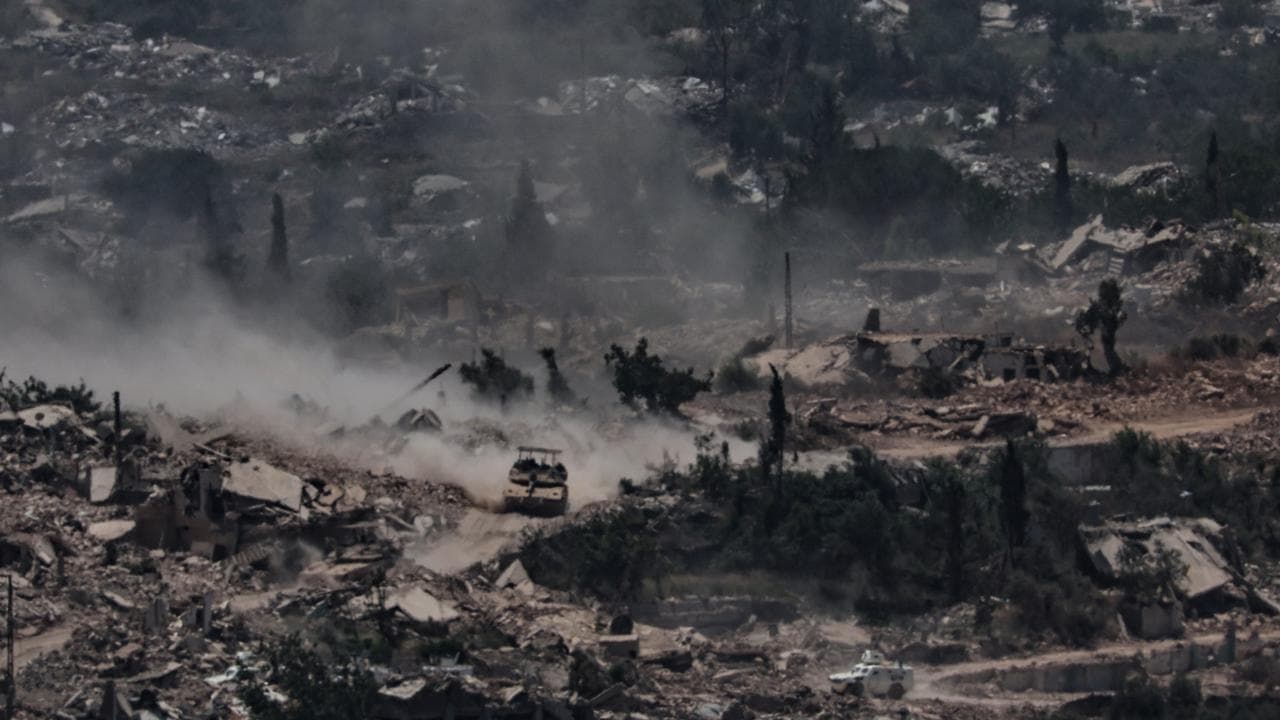
Israel, which is not a party to the US-Iran deal, and Lebanon have repeatedly agreed to US-brokered ceasefires, the latest on Friday.
But these have had only limited effect, with Israel insisting it will not withdraw from Lebanese territory it has seized and Hezbollah repeatedly rejecting calls to give up its arms as long as Israeli troops remain in place.
With hundreds of thousands of Lebanese, mainly Shi'ite Muslims, still unable to return to homes in Israeli-occupied areas, anger over the agreement has spread beyond Hezbollah to the wider Shi'ite community.


