A majority of Australian youth lack confidence distinguishing news fact from fiction as they increasingly source information from artificial intelligence.
The 2026 News and Young Australians Report, released on Monday, found just 47 per cent of children aged between 10 and 17 felt confident they could spot disinformation online.
A third of the 1,027 kids surveyed had shared a news story on social media to later find it was false.
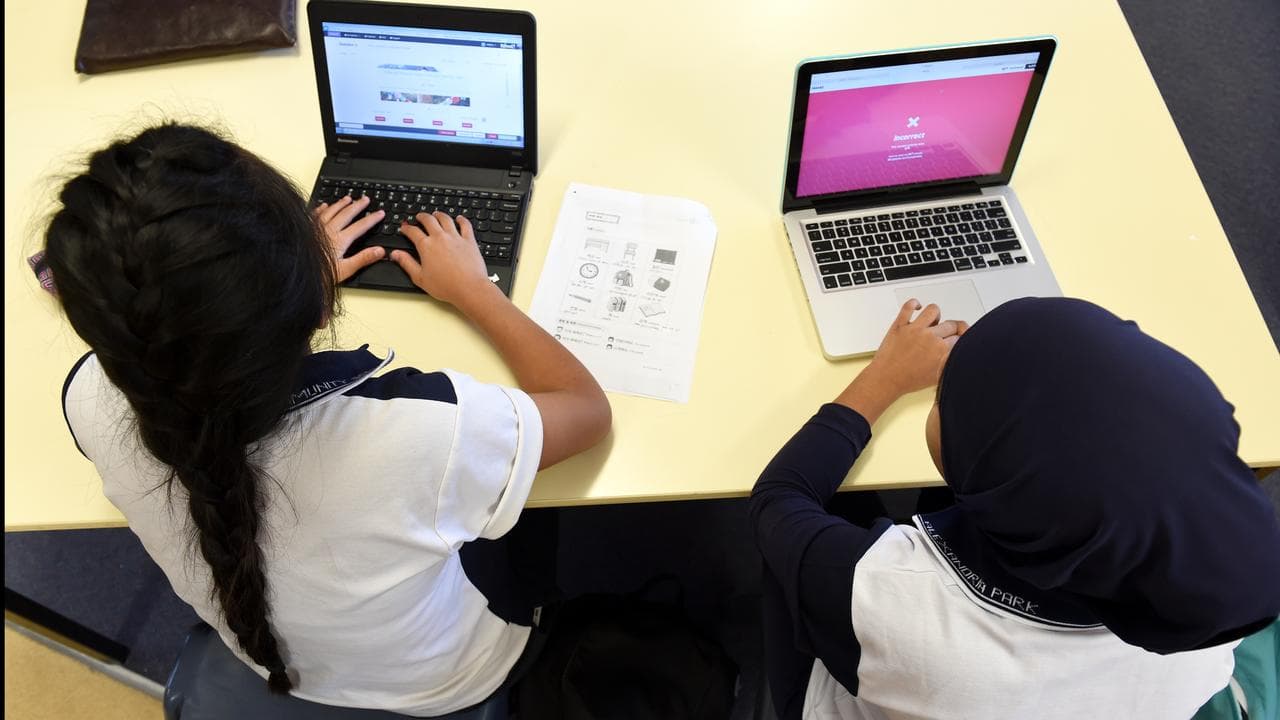
Lead author Tanya Notley stressed the need for improvements in news media literacy education in school.
“(It) needs to support young people to move beyond ‘how it works’, to ‘how to act'," she said.
“Young people who receive more news media literacy lessons in school demonstrate greater digital media knowledge, but there is still a disconnect between what young people know and how they actually behave."
Data showed youths were less likely to take steps to verify news content than in 2023’s study.
Those steps included discussing items, checking multiple stories and changing news sources to more trustworthy outlets.
Declining literacy coincided with increased use of artificial intelligence, the survey also found.
More than a third of those surveyed said they sometimes or often used AI to source news.
AI was the second most popular way to proactively access news after talking with family.
It ran level with browsing news sites and apps for those seeking out current affairs.
The cohort was generally less engaged with news than those in 2023, according to researchers from Western Sydney University, Queensland University of Technology and the University of Canberra.
Co-author Simon Chambers noted young Australians felt news media had “no idea” what their lives were like.
“It’s important we develop young people's understanding of digital media environments during their pre-teen years, before they begin navigating news online on their own,” he said.
“Rather than viewing children and young people as separate from the broader news environment, we need to better understand the issues they care about and include their perspectives."
The report linked general disengagement amongst the age group to the social media ban, and general sentiment the news is negative and not for them.


