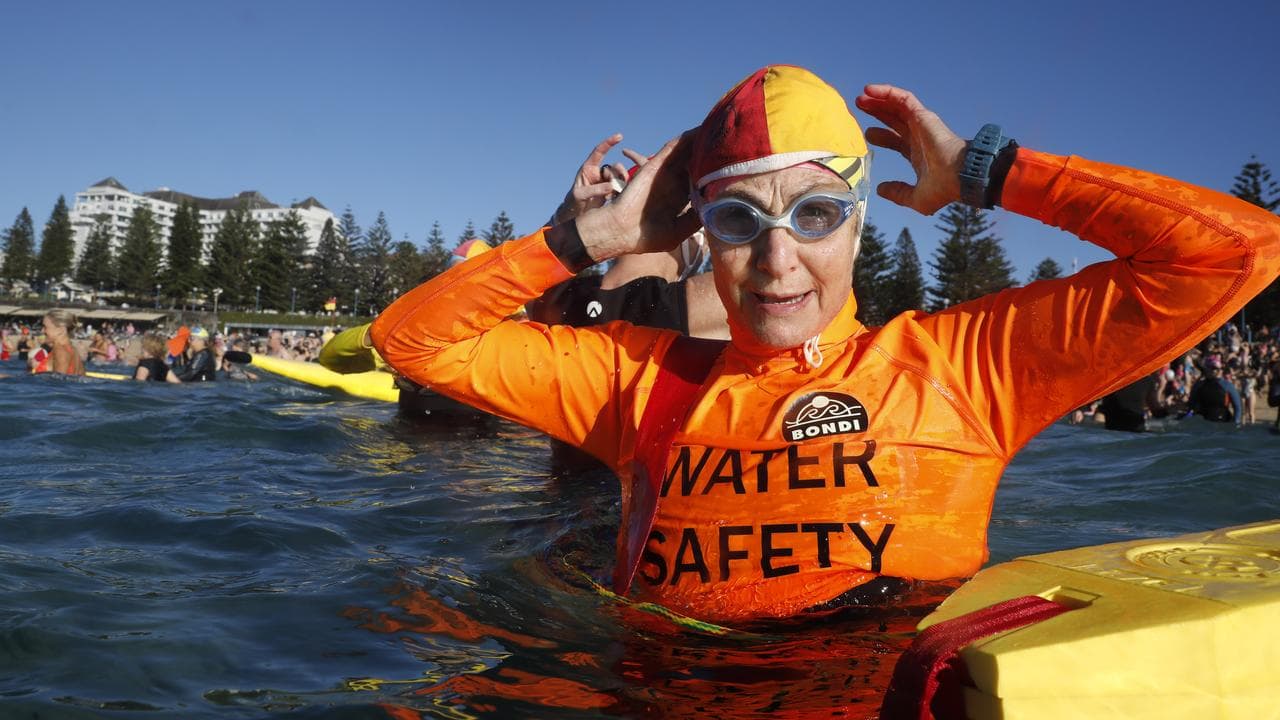
The rising rate of drownings among older people has prompted a call for vigilance on medications and conditions that can put their lives at risk.
The National Drowning Report, released on Thursday, shows the 313 drowning deaths in Australia in 2025/26 included 95 people aged 65 and over.
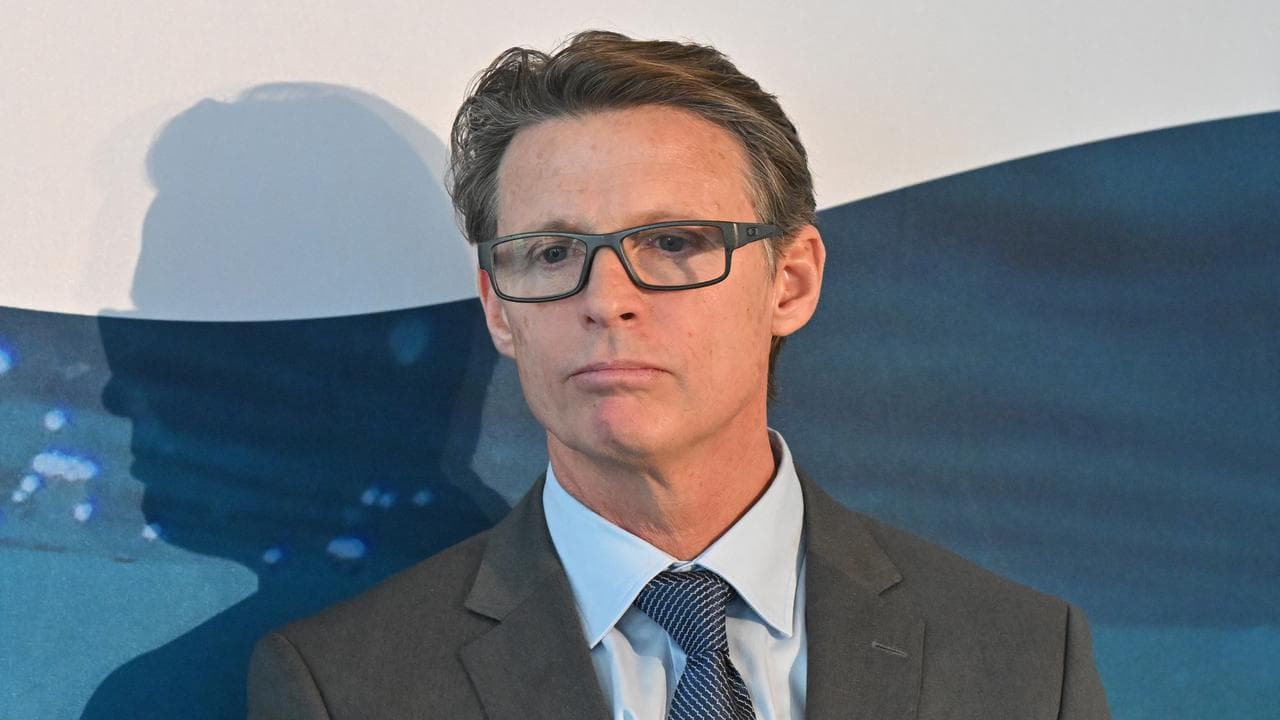
Royal Life Saving Australia chief executive Justin Scarr said Australia had done great work in reducing child drowning, but the latest figures were “a wake-up call”.
Drowning deaths among children under five fell to 11 fatalities, 39 per cent below the 10-year average, as a result of sustained investment in pool fencing, legislation and public education.
“It’s only a decade or two since we were seeing upwards of 50 young children drowning each and every year,” Dr Scarr said.
“So to see our parents and grandparents losing their lives in the water is really quite tragic and … it really is time to act to bring that down.”
The overall drowning tally for the year was down from the record 357 deaths reported in 2024/25.
But drowning rates were above the 10-year average for every age group over 45 years, with those aged 65-74 recording the highest drowning rate of any cohort.
Older people were swimming, boating and enjoying the water for longer, so there needed to be increased awareness of how medications and medical conditions affected water safety, Dr Scarr said.
“If someone faints due to a problem with their medication, it can pretty quickly lead to drowning if they’re in the middle of a bay or swimming laps in a pool,” he said.
While children aged 5-14 years had the lowest drowning rates, the rate rose rapidly among adolescents and young adults, with 34 people aged 15-24 years losing their lives.
Children were learning to swim at an earlier age, but data showed 40 per cent of teenagers were still leaving high school with no swimming skills.
“That has consequences when they're young adults … and they lack the swimming skills to keep themselves safe, which is something that absolutely needs to be reversed,” Dr Scarr said.

More than one-third of drownings involved people born overseas.
Royal Life Saving Australia has launched We Swim to connect migrant communities with their local pools and life-saving clubs to help them acquire water safety and swimming skills.
It was important to remember that drowning was not only a recreational risk limited to people swimming at the beach, Dr Scarr said.
“It affects people crossing flooded roadways, and so making sure that they understand the dangers of crossing a flooded roadway is important,” he said.
“It happens while children are unsupervised in parks with no intention of swimming.
"It also can happen in the home, particularly for elderly people in their bathtubs, but also in their backyard pools.”


