The government's decision to stop an ISIS-linked woman returning to Australia on national security grounds could run foul of the constitution, a leading legal scholar warns.
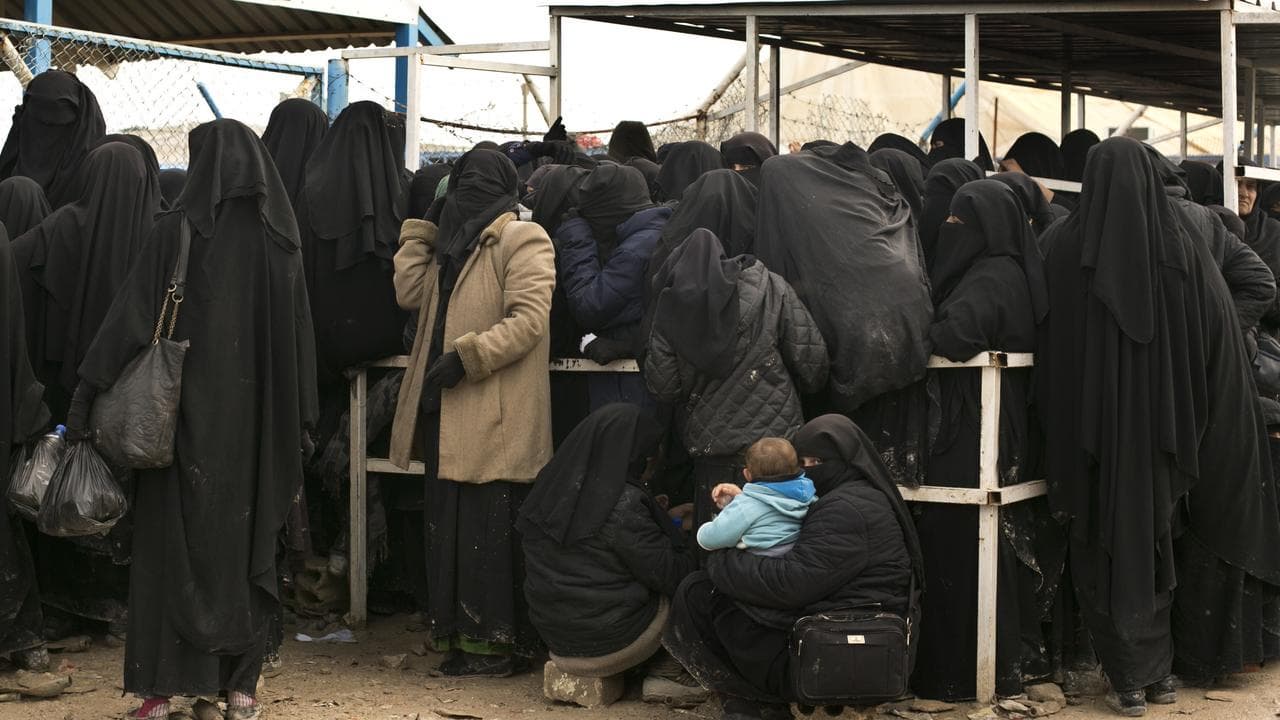
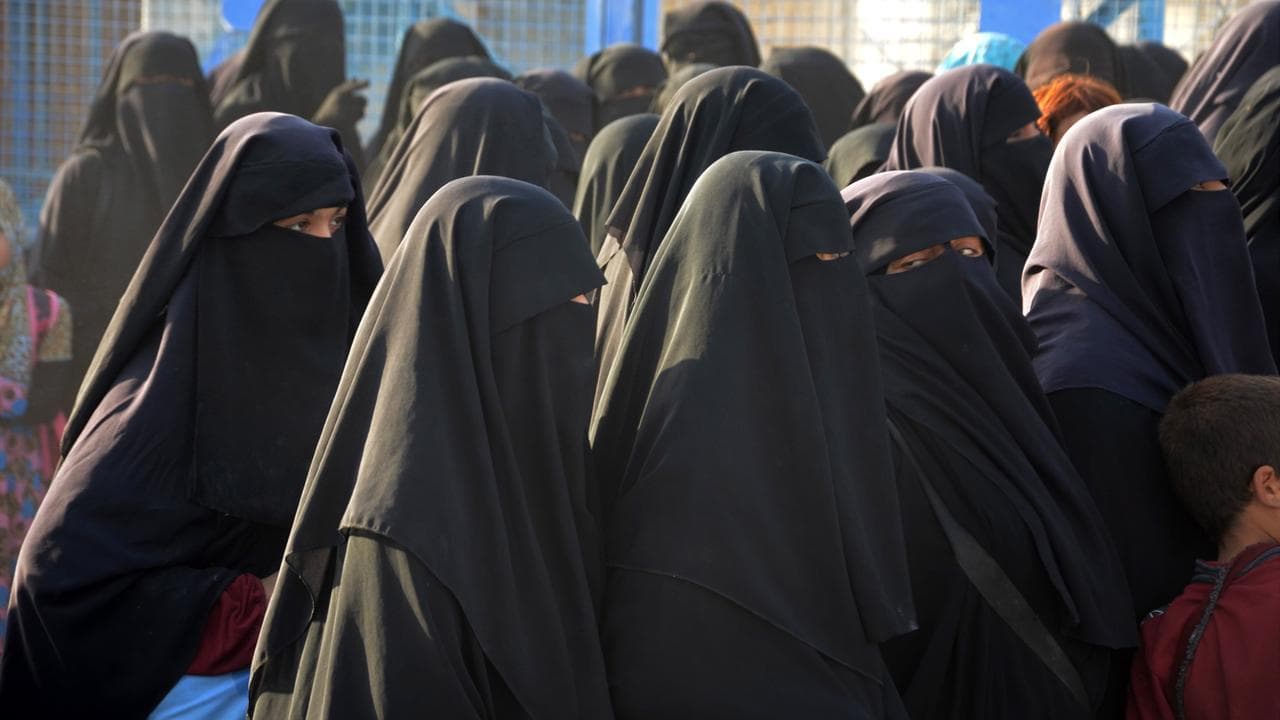
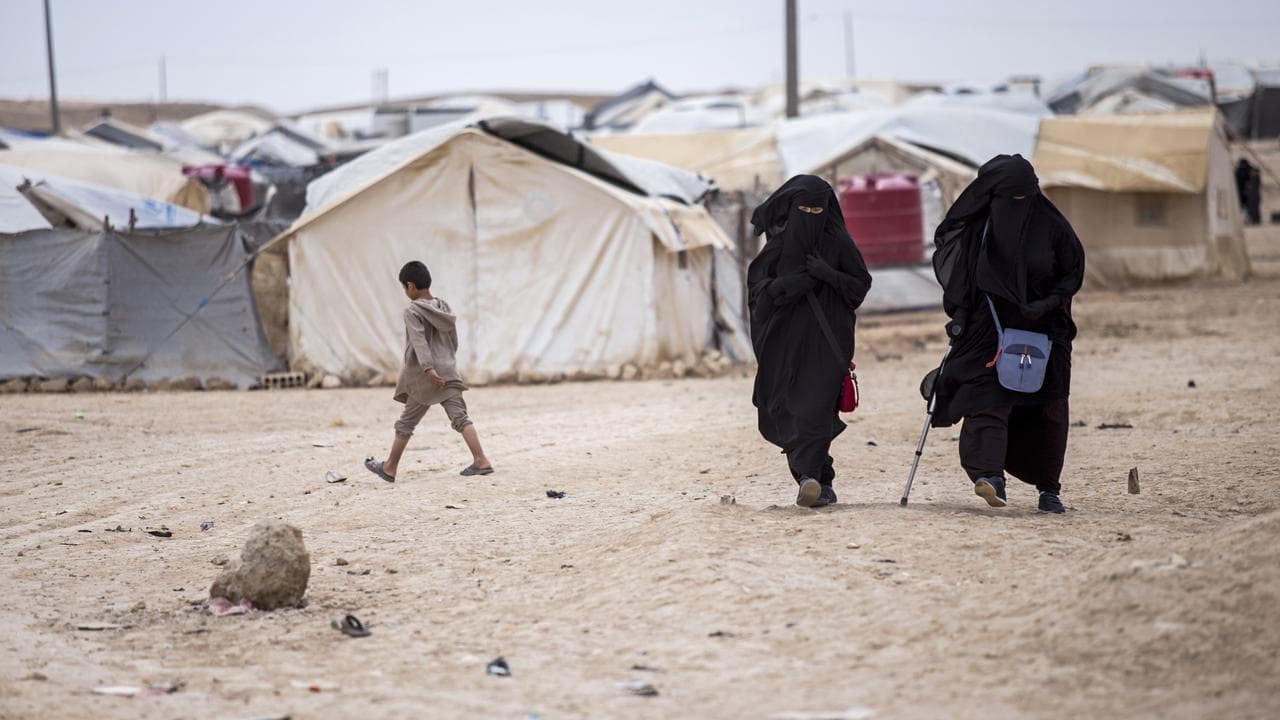
The woman is one of 34 Australians trying to return home from a Syrian refugee camp with the help of Sydney doctor and community leader Jamal Rifi.
They travelled to the Middle East with men who planned to fight for Islamic State before the caliphate's fall in 2019.
While the women and children have been issued with passports, one woman was barred from entering the country because the government feared she could pose a security risk.
The decision to block the woman's entry could be legally dicey, an expert in constitutional and citizenship issues said.
"I think that is highly suspect as being constitutionally invalid," University of Canberra law professor Kim Rubenstein told AAP.
Under rules set up in 2019, the government issued a temporary exclusion order to prevent the woman entering Australia for two years.
But banning someone from entering their own country could be construed as a punishment, which was something only the courts were allowed to dish out, Prof Rubenstein said.
The legal expert stressed the legislation had not been tested in court, but said she was interested to see whether someone would challenge it.
Home Affairs Minister Tony Burke did not immediately respond to a request for comment.
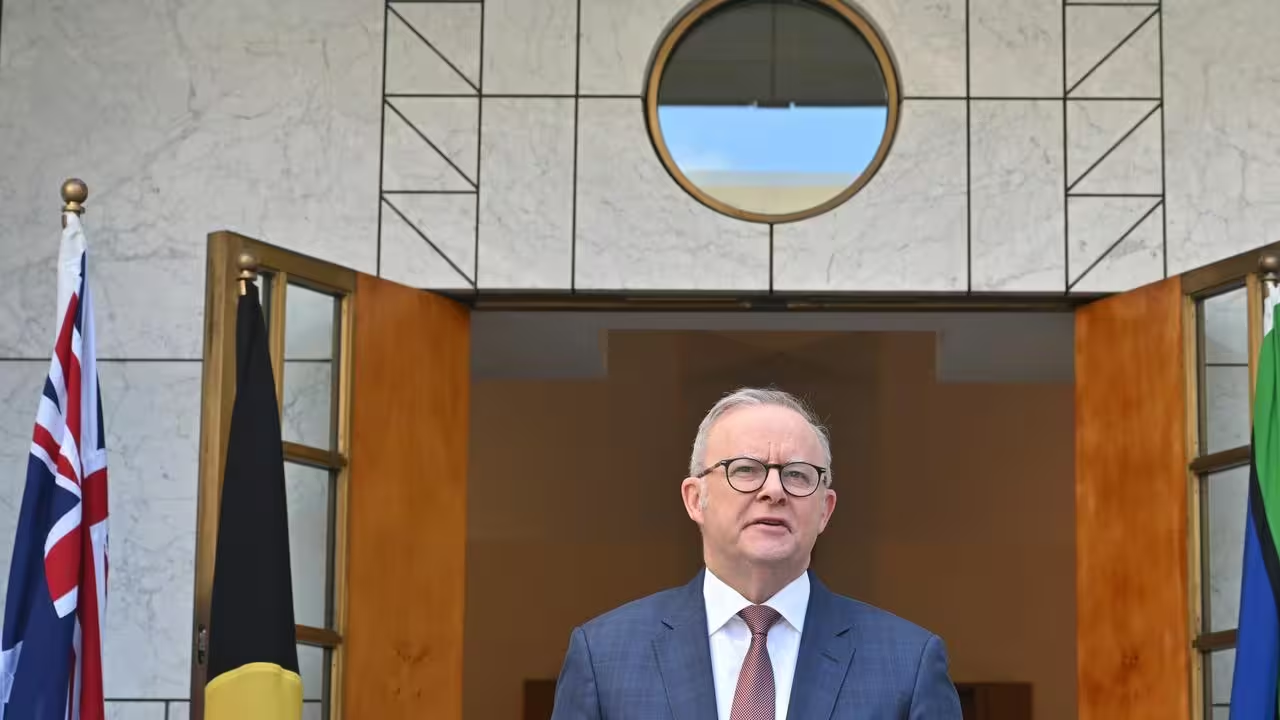
Prime Minister Anthony Albanese has defended his handling of the situation amid furious criticism from the opposition, which wants the group of 34 people to be barred from entering Australia.
Pressed on whether Mr Burke had done a pre-election deal with refugee advocates over the cohort's future, Mr Albanese responded bluntly.
"I call bullshit," he told the Karl Stefanovic podcast on Tuesday.
Mr Albanese said preparations had been made for the return of the women and children but did not provide further details.
The prime minister has previously said he has little sympathy for the group.
Dr Rifi said because of the government's hardline rhetoric, Syrian officials had not allowed the women and children to leave the refugee camp, for fear they might be turned back by another country on their way to Australia.
Mr Albanese also raised constitutional questions about the opposition's plan to jail anyone who helps terror-linked Australians return home.
The coalition aims to introduce legislation into parliament in March, which would make it illegal to help repatriate people who had travelled to declared terrorist hotspots or committed a terrorist offence.
Mr Albanese said the proposal was questionable at best.
“They themselves couldn’t explain how that was constitutional,” he told ABC Radio.

Greens home affairs spokesperson David Shoebridge slammed the coalition for proposing non-government organisations such as Save the Children Australia be criminalised for helping Australians return home.
“The idea that any serious Australian political party would make it a crime for Australians to try and help Australian children and bring them back to safety is a remarkable low, even in the current climate on the immigration debate,” the senator told ABC Radio.
Prof Rubenstein said there were likely no major legal hurdles to the opposition's plan but there were still questions over whether it was the best way to handle the situation.


