Toppled Venezuelan President Nicolas Maduro has pleaded not guilty to charges of narco-terrorism after US President Donald Trump ordered his capture in events that have rattled world leaders and left officials in Caracas scrambling to respond.
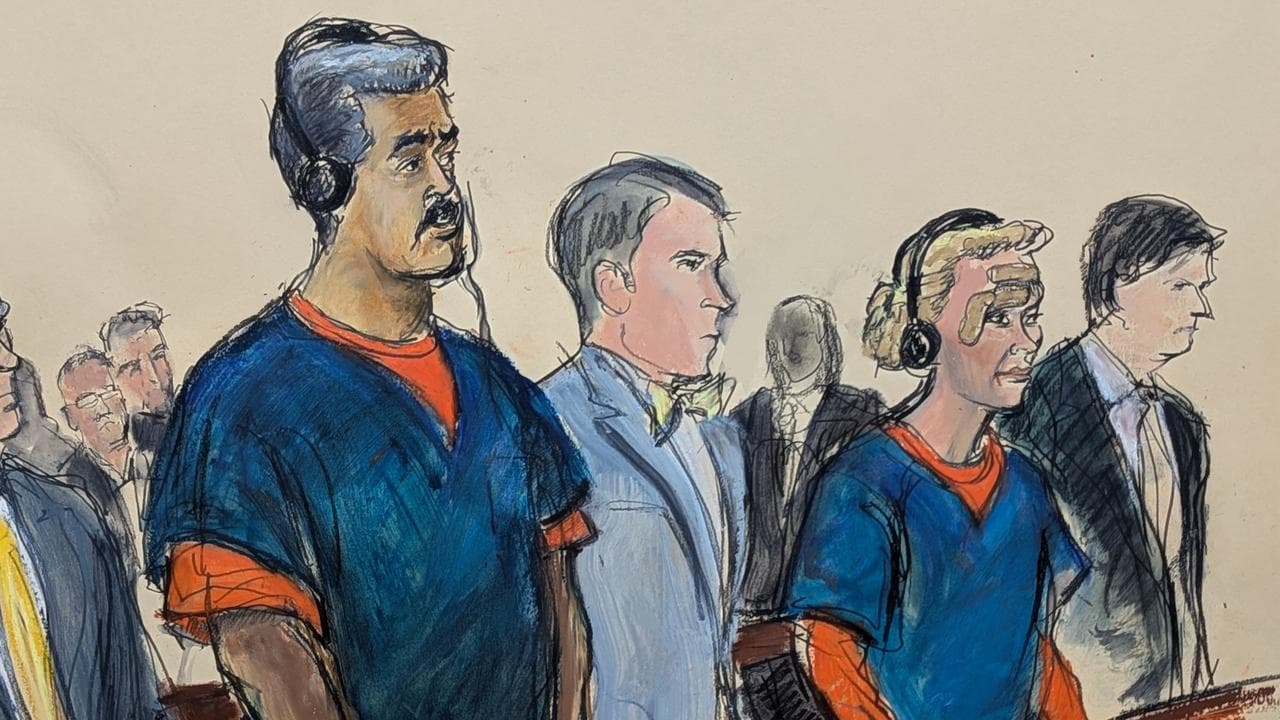
Maduro, 63, pleaded not guilty in New York federal court to four criminal counts that include narco-terrorism, cocaine importation conspiracy and possession of machine guns and destructive devices.
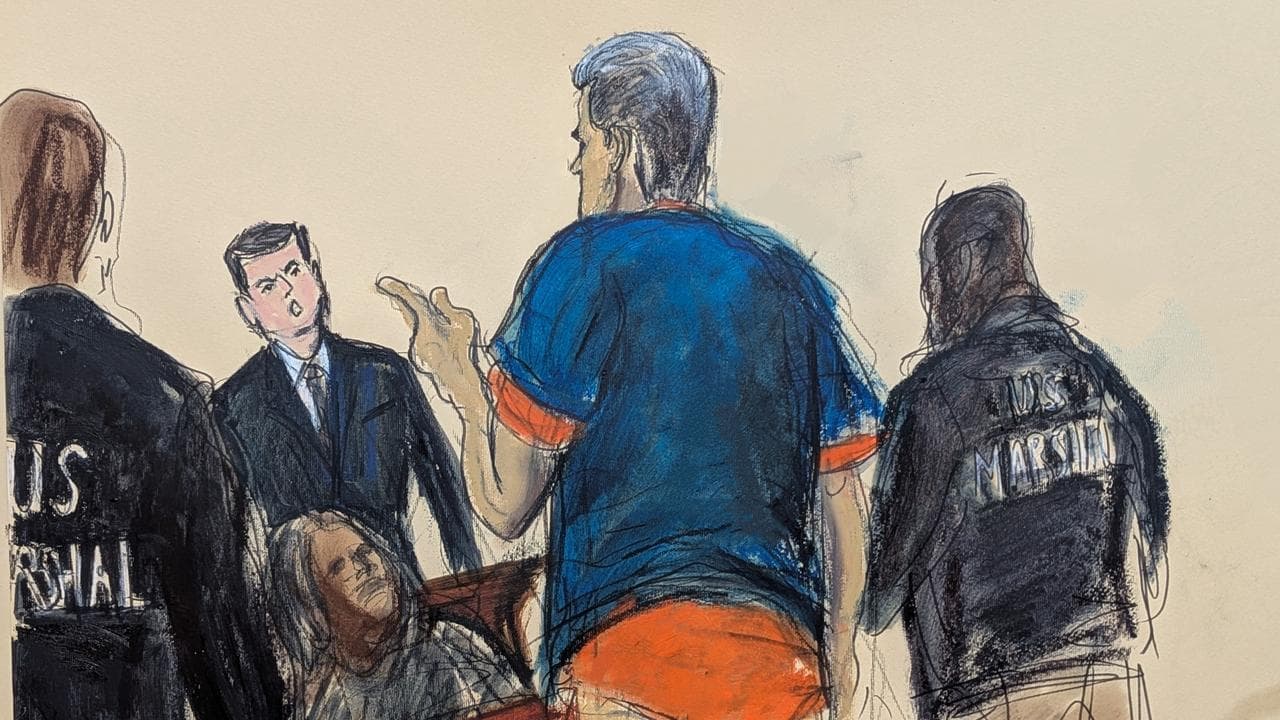
"I am innocent. I am not guilty. I am a decent man. I am still president of my country," Maduro said through an interpreter, before being cut off by US District Judge Alvin Hellerstein.
Maduro's wife Cilia Flores also pleaded not guilty, with the next court date set for March 17.
Hours later in Caracas, Maduro's vice president Delcy Rodriguez was sworn in as Venezuela's interim president with words of support for Maduro but no indication she would fight the US move.
"I come with pain in my heart over the kidnapping of two heroes who are being held hostage," she said, pledging to move Venezuela forward in "these terrible times".
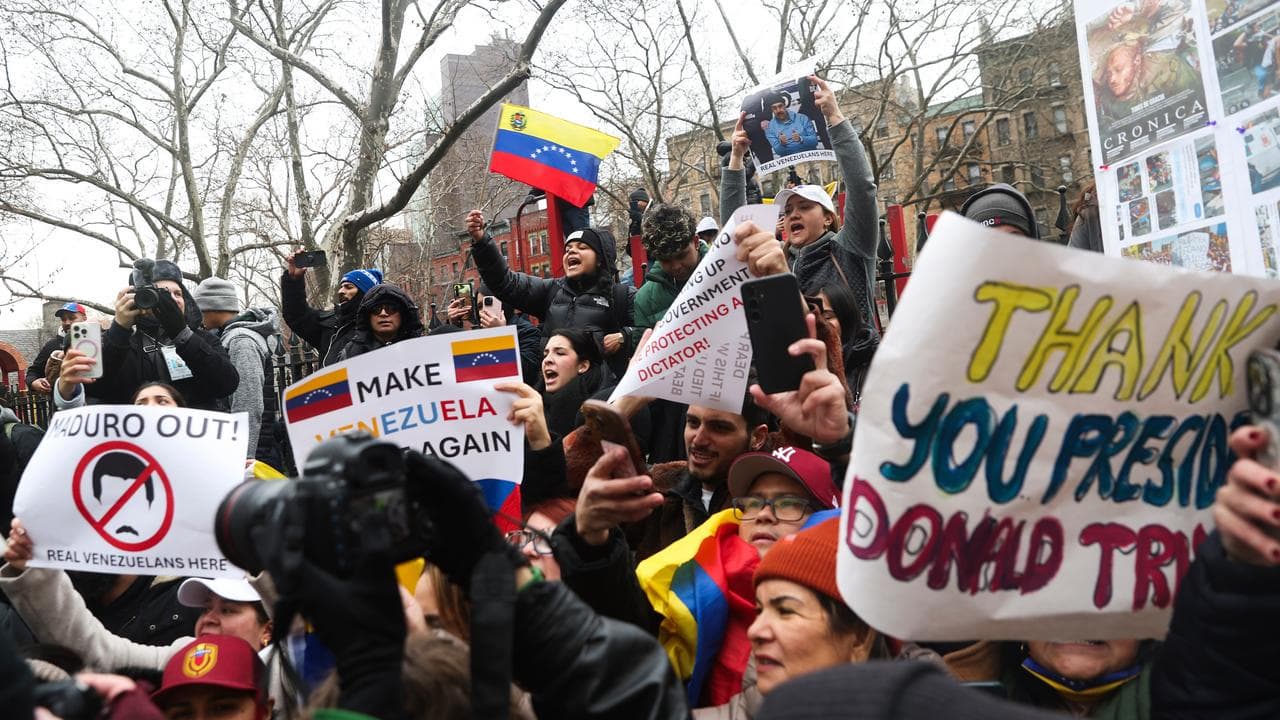
Dozens of protesters, both pro- and anti-Maduro gathered outside the courthouse before the half-hour hearing
Maduro is accused of overseeing a cocaine-trafficking network that partnered with violent groups including Mexico’s Sinaloa and Zetas cartels, Colombian FARC rebels and Venezuela's Tren de Aragua gang.
Maduro has long denied the allegations, saying they were a mask for imperialist designs on Venezuela's rich oil reserves.
While world leaders and US politicians grappled with the extraordinary seizure of a head of state, an emergency order in Venezuela, published in full on Monday, ordered police to search and capture anyone who supported Saturday's US attack.
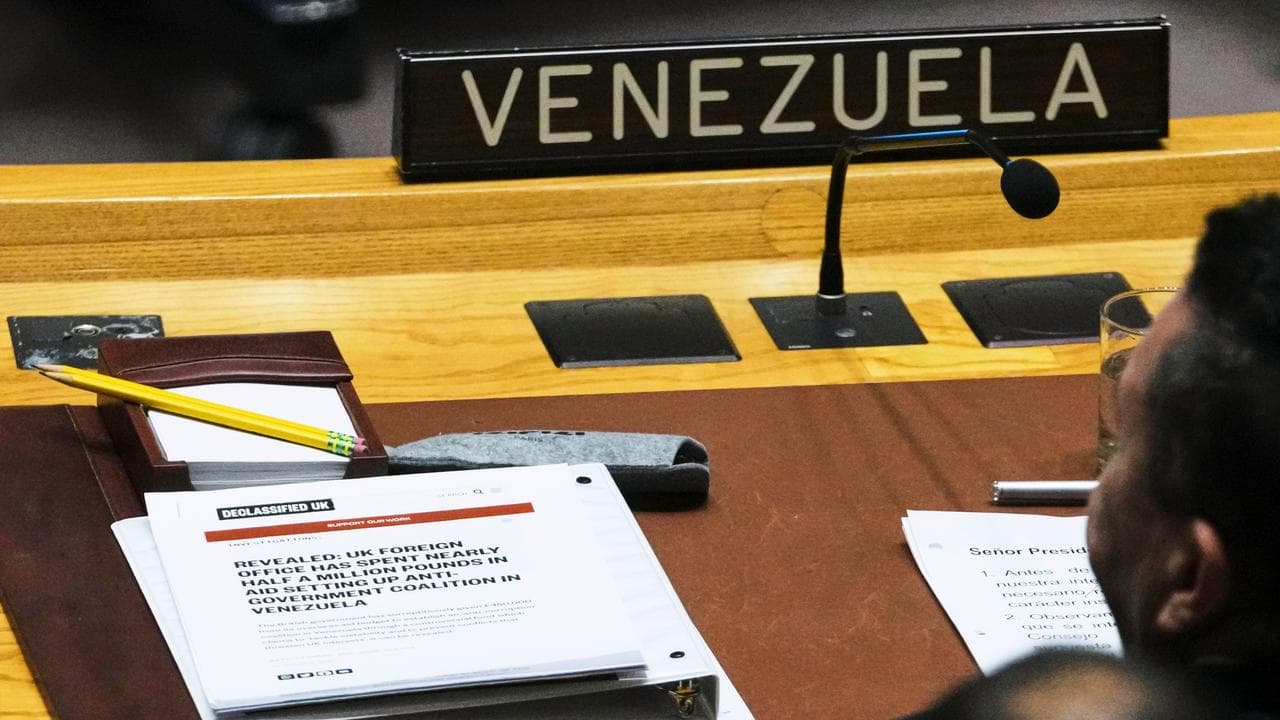
Also on Monday, the United Nations Security Council debated the implications of the raid, which was condemned by Russia, China and other allies of Venezuela.
UN Chief Antonio Guterres raised concerns about instability in Venezuela and the legality of the strike, the most dramatic US intervention in Latin America since the 1989 Panama invasion.
US Special Forces swooped into Caracas by helicopter on Saturday, shattered Maduro's security cordon and dragged him from the threshold of a safe room.
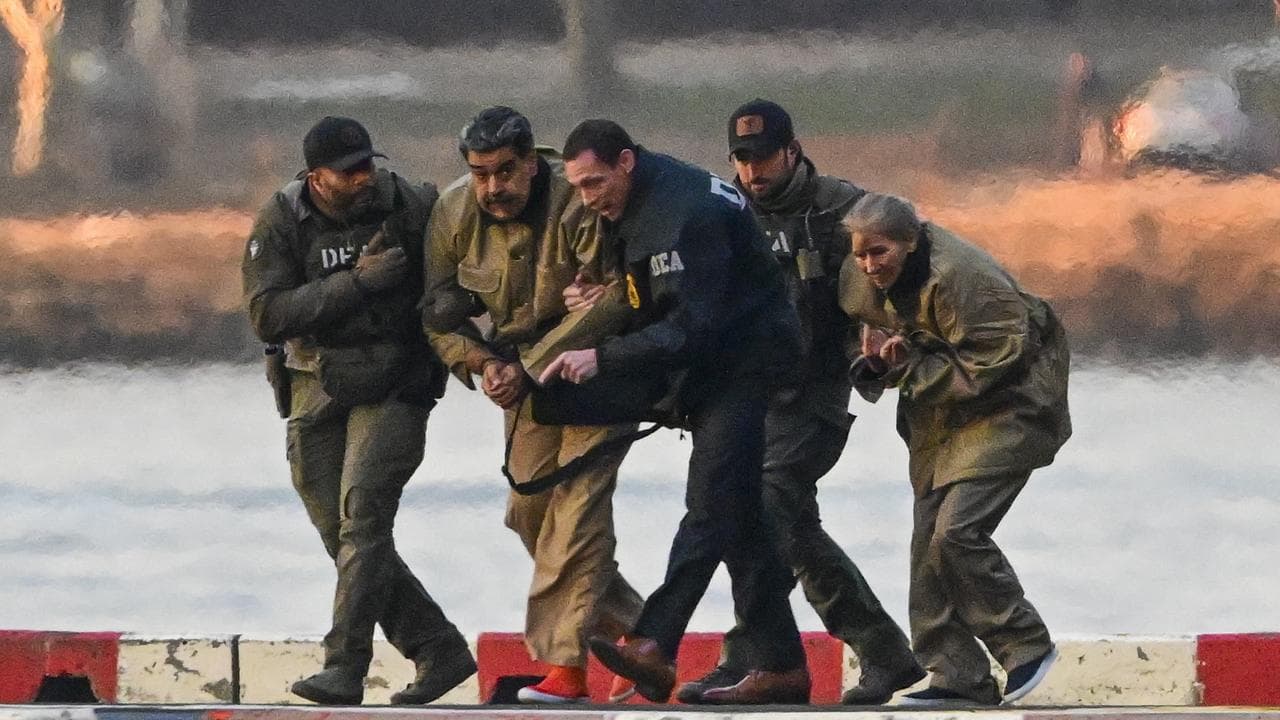
On Monday morning, Maduro - his hands zip-tied - and his wife Cilia Flores were escorted by armed guards in tactical gear from a Brooklyn detention centre to a helicopter bound for the Manhattan federal court.
Prosecutors say Maduro has been involved in drug trafficking from the time he began serving in Venezuela's National Assembly in 2000 to his tenure as foreign minister and subsequent 2013 election as the late president Hugo Chavez's successor.
Maduro's lawyer Barry Pollack said he anticipated voluminous and complex litigation over his client's "military abduction".
He said Maduro was not requesting his release but may do so at a later time.
Flores' lawyer Mark Donnelly said she sustained significant injuries including severe bruising on her ribs and asked that she be provided X-rays and a physical evaluation.
Federal prosecutors in New York first indicted him in 2020 as part of a long-running narcotics trafficking case against current and former Venezuelan officials and Colombian guerrillas.
An updated indictment made public on Saturday added some new details and co-defendants, including Cilia Flores.
The US has considered Maduro an illegitimate dictator since he declared victory in a 2018 election marred by allegations of massive irregularities.
Experts in international law have questioned the legality of the raid, with some condemning Trump's actions as a repudiation of a rules-based international order.
In Caracas, senior officials from Maduro's 13-year-old government remain in charge of the South American country of 30 million people, first spitting defiance then pivoting to possible co-operation with the United States.
with AP


