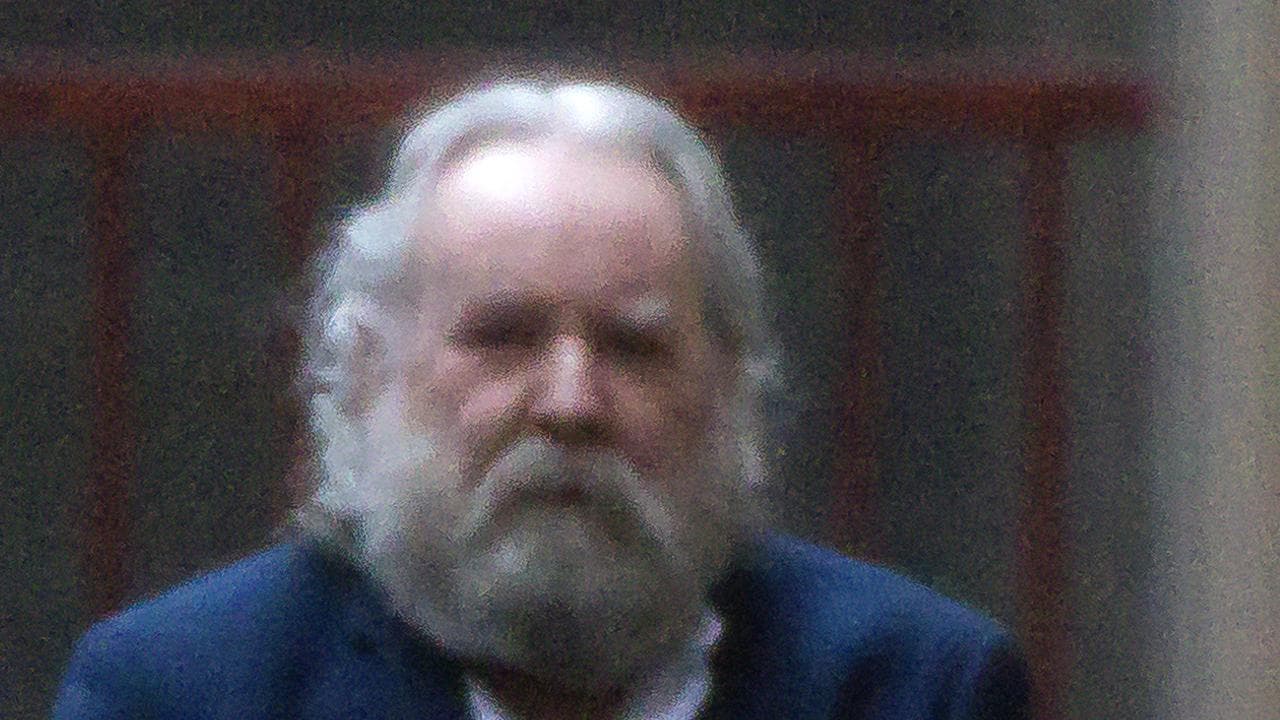
A murderer who argued he was mentally impaired when he shot dead his elderly mother could be out of jail sooner after winning his appeal.
Paul Cohrs, 66, was jailed for 30 years after a Victorian Supreme Court jury found him guilty of murdering his 81-year-old mother Bette Cohrs-Schulz.
He killed her at her home near Mildura in Victoria's northwest on October 30, 2018, an hour after allegedly shooting dead his brother Raymond in NSW.
Cohrs argued at trial he was not of sound mind at the time and he should be found not guilty on the basis of mental impairment.
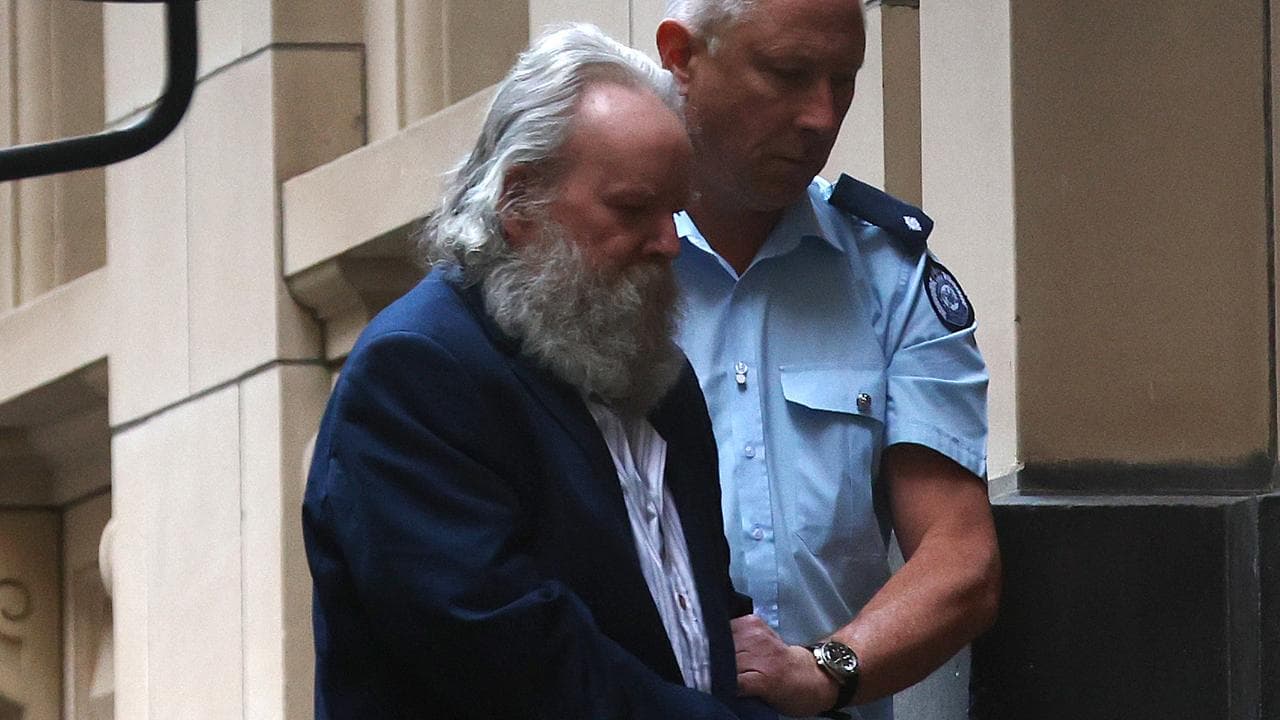
A jury rejected that argument, instead finding Cohrs guilty of his mother's murder.
He was not tried over his brother's death as the incident was in NSW.
Supreme Court Justice Lesley Taylor in October 2024 sentenced Cohrs to 30 years behind bars, with a non-parole period of 23 years.
Cohrs challenged his sentence in Victoria's Court of Appeal, arguing it was manifestly excessive and three appeal justices agreed.
In re-sentencing Cohrs to 27 years' jail, Justices Stephen McLeish, Stephen Kaye and Michael O'Connell found the original sentence was "wholly outside" the available range.
They agreed with Justice Taylor's ruling that there was a causal link between Cohrs' diagnosed delusional disorder and his offending, which reduced his moral culpability.
But the justices found the sentencing judge did not properly factor in the reduced moral culpability and the jail terms of similar offenders before coming to Cohrs' sentence.
"The sentence of 30 years' imprisonment imposed on the applicant was manifestly excessive, in that it was wholly outside the range of sentencing options available to the judge," the written reasons stated.
The justices also imposed a new non-parole period of 20 years.
Cohrs also tried to have his conviction thrown out on appeal, arguing Justice Taylor had misdirected the jury on his defence of mental impairment.
But the justices found the judge had properly instructed the jury to consider how Cohrs' disorder affected his ability to know his actions were wrong.
"The test ... was correct and unimpeachable," the justices found.
At the time of his sentence, Cohrs was still facing a murder charge in NSW over his brother's death.
Lifeline 13 11 14
beyondblue 1300 22 4636
1800 RESPECT (1800 737 732)


