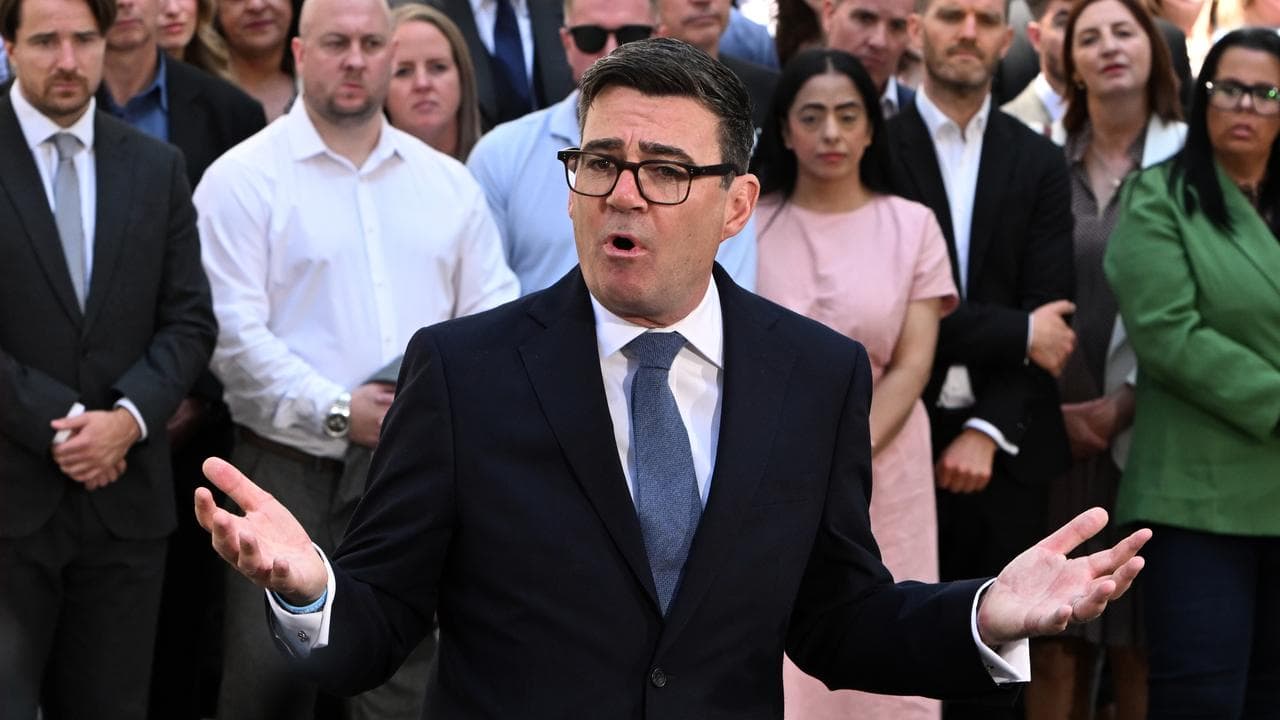
British Prime Minister Andy Burnham is cutting taxes on electricity bills in his first attempt to ease a lengthy cost-of-living crisis that has angered the public and helped stoke political instability.
In his second day in his new role, Burnham said his government would remove the value-added tax from domestic electricity bills from October 1, cutting about Stg45 ($A86) from the average annual bill of about Stg1860 that households pay.
With bond investors watching closely for how any fiscal support would be paid for, he said the move would be funded by savings from the cancellation of a Stg1.8 billion digital ID program, which he announced on Sunday.
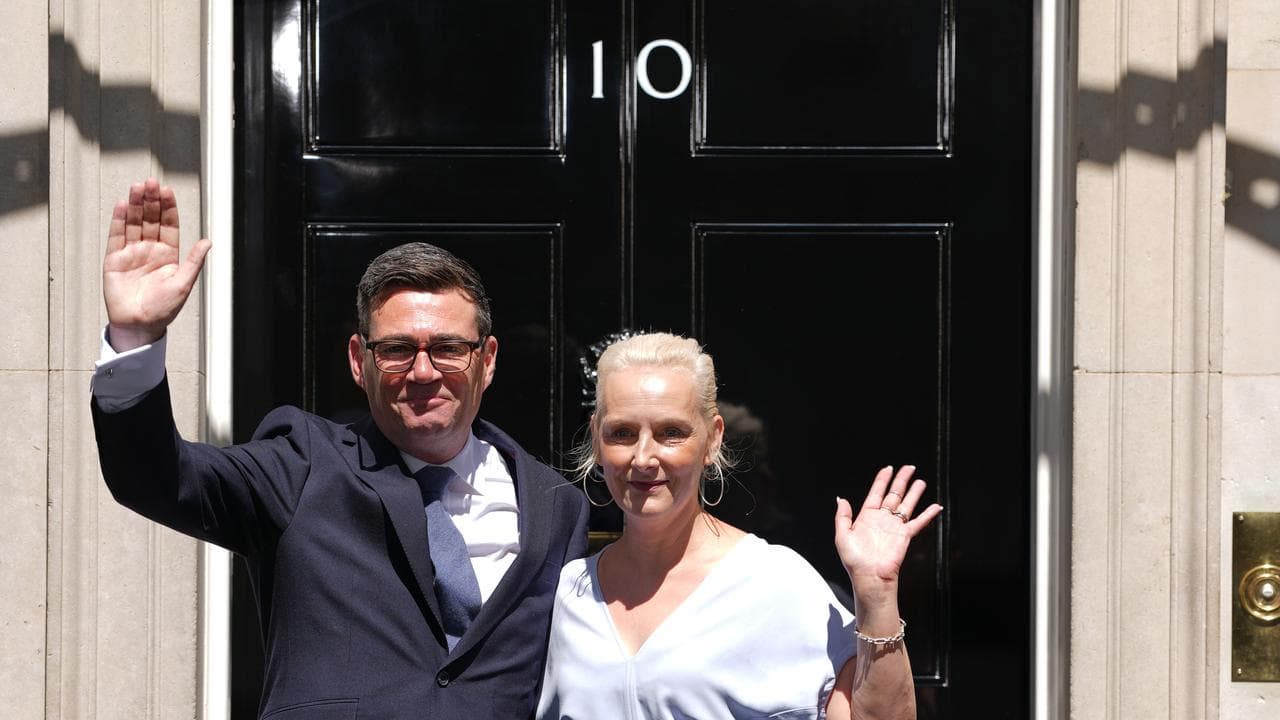
"We're taking immediate action to cut taxes on energy bills, put more money in people's pockets and bring back hope," he said in a statement, having pledged to give people more "breathing space" in their lives.
The energy announcement is designed to show that Burnham will move quickly to improve living standards after years of stagnation.
But in the first sign his call for unity in the governing Labour Party might fall flat, an ally of former prime minister Keir Starmer, Darren Jones, said the digital ID scheme was unfunded, questioning whether the new leader had the money to cover his policy move on energy bills.
"The government will have to set out how it will pay for its new policies at the budget," he said on X.
Energy bills have been one of the main drivers of Britain's cost-of-living crisis after the wholesale gas price, which heavily influences British electricity prices, surged after Russia's full-scale invasion of Ukraine in 2022.
The Conservative government at the time spent billions of pounds to shield households through an energy price guarantee.
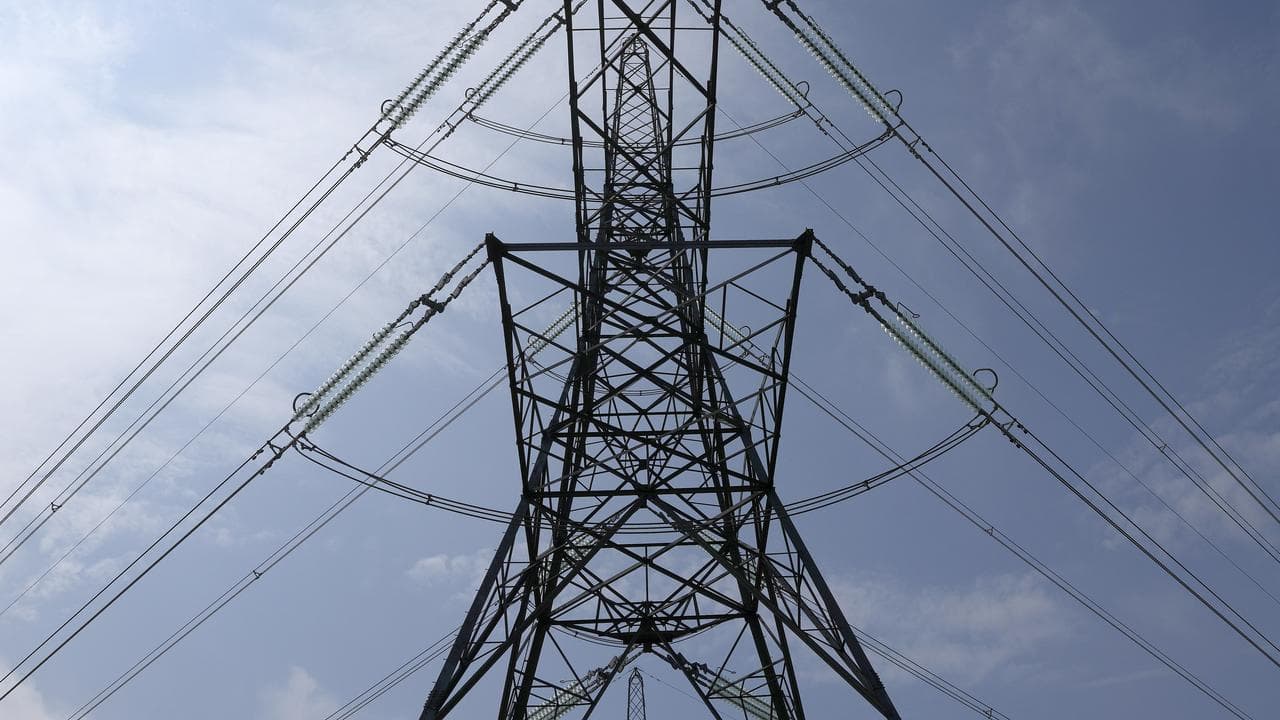
But while prices eased from mid-2023, they remain up to 60 per cent higher than before the energy crisis.
They have also increased in recent months due to the Iran war.
Burnham has vowed to kick off a program he believes can turn Britain around, hoping a bolder agenda can win back voters to the governing Labour Party and fight a challenge from the populist Reform UK, led by Brexit campaigner Nigel Farage.
There is a lot at stake.
Dubbed the "King of the North" for his dogged defence of the northwestern English area of Greater Manchester when mayor, Burnham is the most popular leader of Britain's main political parties and has overwhelming support in Labour.
But Britain's revolving door of prime ministers over the past decade has underlined how quickly parties can move against leaders who are not seen as delivering for voters, and Burnham will have to move quickly to stamp his authority on the government.
He wants to hit the ground running.
In his first speech as prime minister on Monday, Burnham said his first ambition was to end rough sleeping in Britain, but also that he wanted people to feel the change in government in their pockets quickly.
He is also expected to look at possible caps to bus fares - something he did in Manchester - and other measures, to back up his assertion that "I will put the care of people at the heart of everything I do".
"It won't solve everything, it won't take all of the pressure off," he told reporters.
"But it just shows the direction of travel and ... about helping them out."
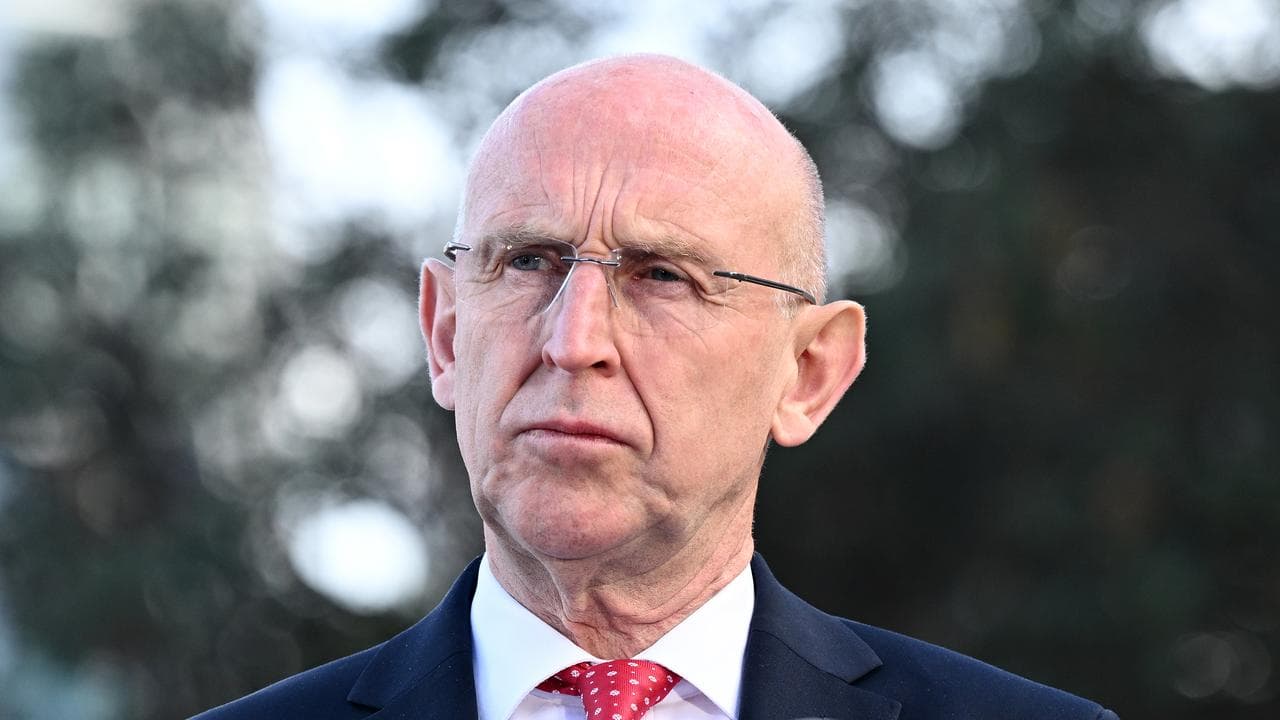
Markets will be listening keenly to how Burnham and his unexpected pick for finance minister, the former defence secretary John Healey, plan to finance any further support, after borrowing costs rose on Monday, pushing 30-year gilt yields to a two-month high.
with PA


