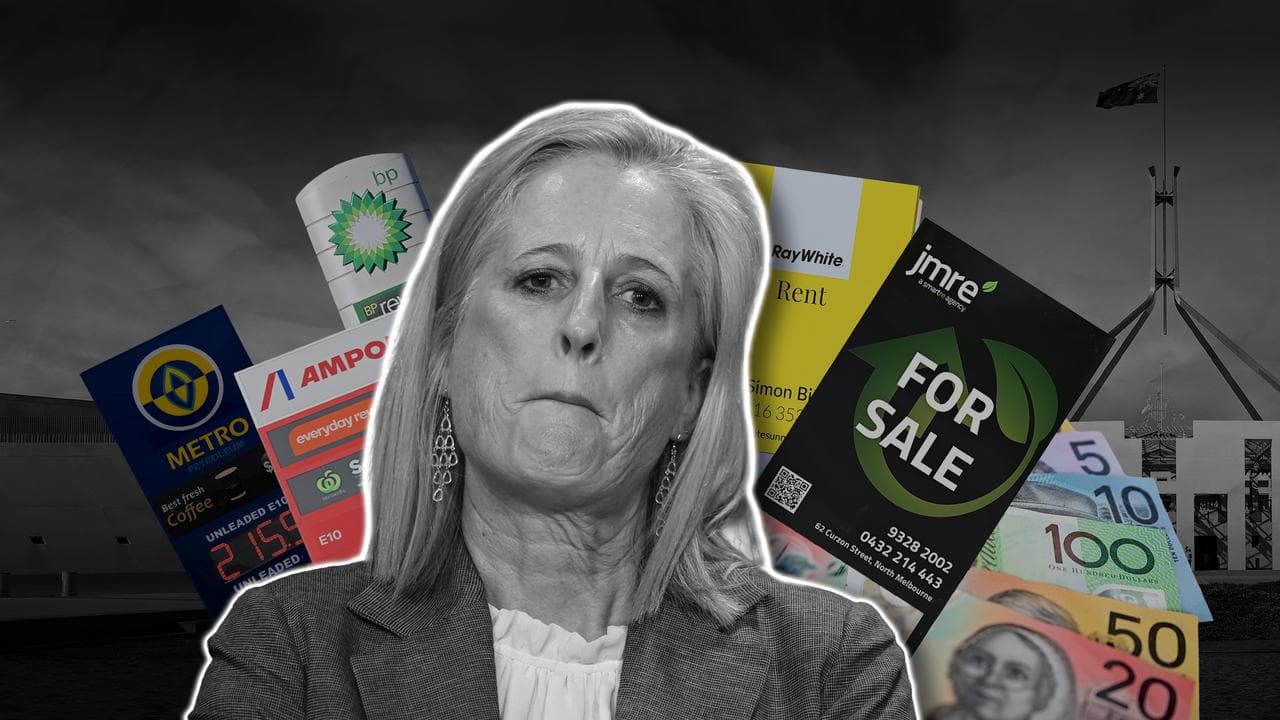
Nowhere will be off limits for the razor gang while Labor searches for savings as it faces heat for still-rising inflation.
Persistently fast-rising prices have fuelled criticism of high public spending after inflation came in hotter than expected in the year to September.
Accelerating inflation has driven expectations the Reserve Bank will on Tuesday hike the cash rate up to its highest rate in 18 years, pouring more pain on borrowers.
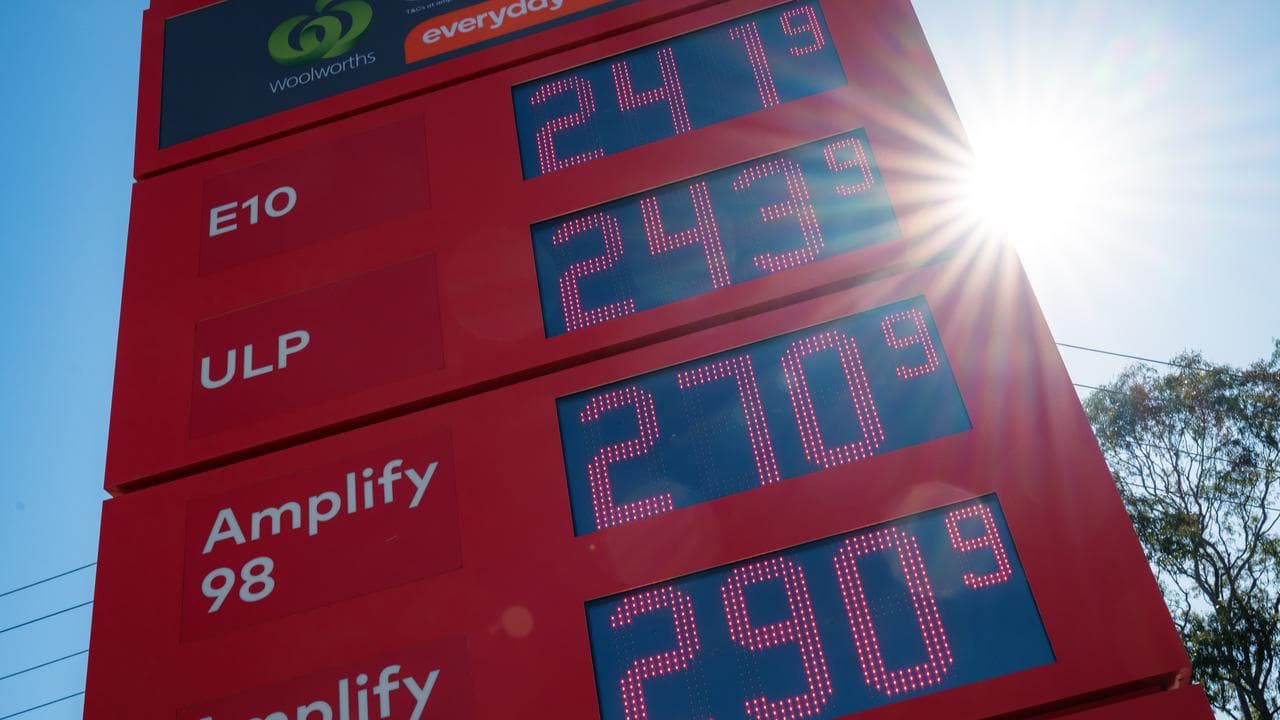
While the Middle East oil shock and ballooning artificial intelligence investment are delivering price pressures largely outside Canberra's control, Labor has also been implored to tighten its belt in December's mid-year budget update.
"I would not say that any area is exempt," Finance Minister Katy Gallagher told ABC's Insiders program on Sunday.
"I'm not saying it's too difficult, but I am saying that there should be some acknowledgement of the world in which we are living and the pressures on the commonwealth budget.
"They are real, they are increasing and we have to deal with them ... there's a lot of work going into the saving side."
Federal government spending as a percentage of GDP hit 26.9 per cent in the 2025/26 financial year, the highest proportion in four decades outside the COVID-19 pandemic.
The RBA's preferred inflation measure - quarterly trimmed mean - beat the central bank's 0.8 per cent forecast to land at one per cent in September.
Headline annual inflation came in at 4.3 per cent, slightly above the consensus estimate.
The result dramatically increased the odds of another interest rate hike on Melbourne Cup day as inflation tracks well outside the RBA's 2-3 per cent target ban.
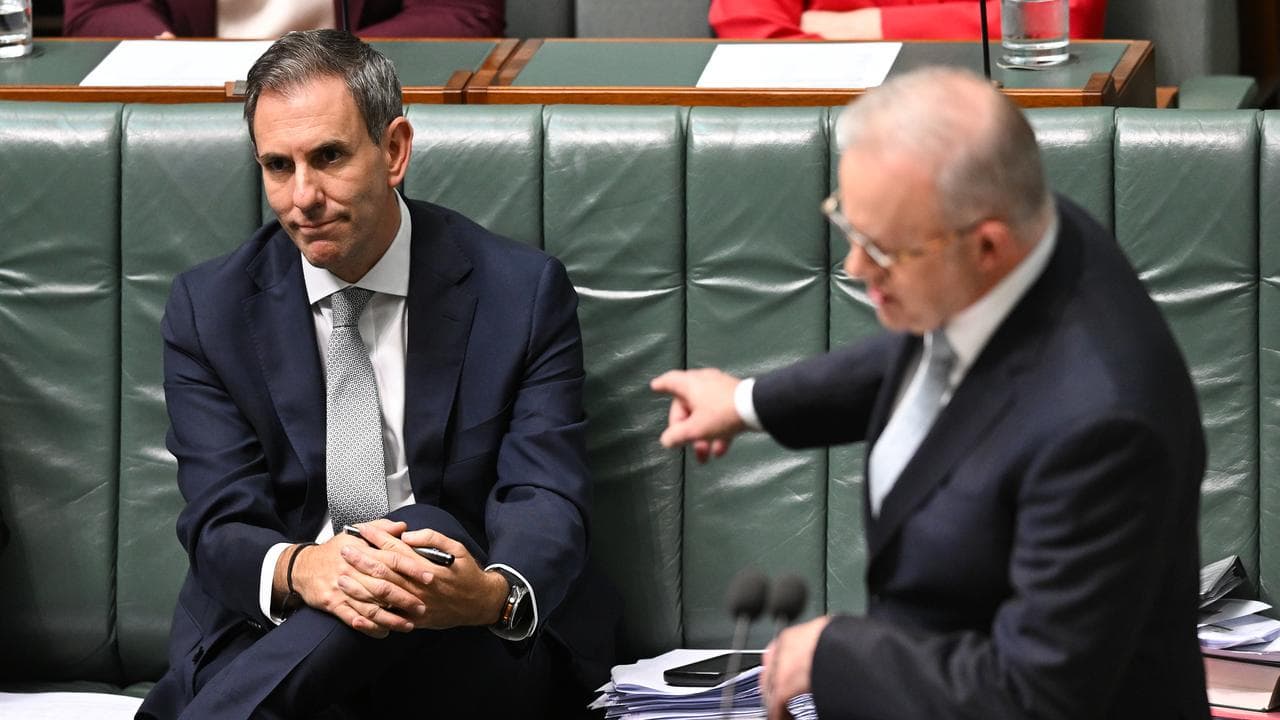
Senator Gallagher described as "overblown" reports of tension between Prime Minister Anthony Albanese and Treasurer Jim Chalmers over plans the latter had put forward to find budget savings.
On a Nine podcast appearance during the week, the treasurer said he took responsibility for "difficult things in my portfolio" and he would leave it for other ministers to take responsibility for spending on their patches.
Senator Gallagher said Dr Chalmers was simply "putting up his hand for the role that he plays in the decisions around the budget", which was the result of collective cabinet efforts.
While there were "robust discussions" about budget measures, the Labor frontbencher added the treasurer and prime minister had "a very professional and respectful relationship".
"We've all got slightly different jobs and come at things from slightly different perspectives," she said.
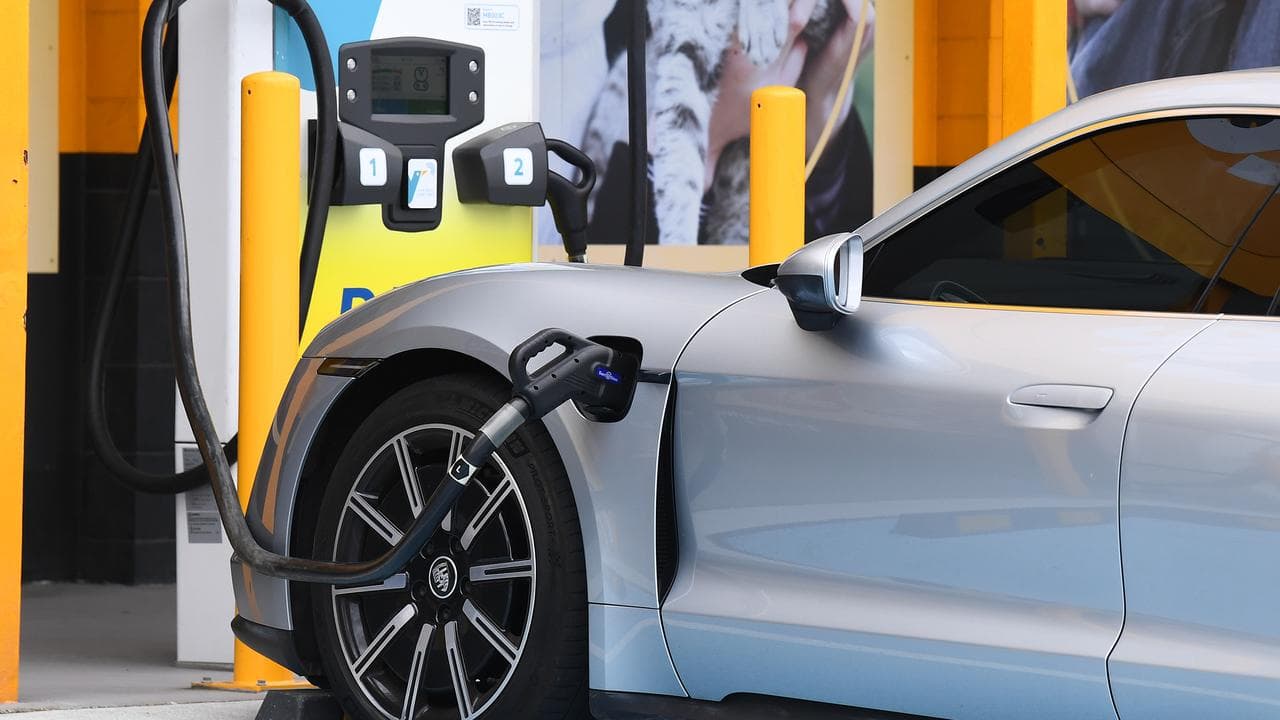
The finance minister defended spending on tax breaks for electric vehicles and generous subsidies for home batteries despite the costs of both schemes blowing out amid higher-than-expected demand.
Their uptake by high income-earners has led to suggestions they amount to middle-class welfare, inviting calls for means-testing.
But Senator Gallagher said the same schemes supported other government priorities, such as the renewable energy transition and electrification of the economy.
"Some of the data is showing that this is helping people on the outskirts of cities and in regional areas with some of those cost-of-living pressures and bringing their energy bills down," she said.
Labor has capped the value of EVs eligible for tax breaks and tightened the battery rebate program, but the cost of that scheme has still blown out to $7.2 billion over four years - more than three times its originally forecast cost.


