
Australia's consumer watchdog says Meta has no idea what ads it is publishing on its platforms, allowing scammers to profit off fake celebrity endorsements.
The company behind Facebook and Instagram is being sued in the Federal Court for allowing scam cryptocurrency advertisements costing victims at least $100 million.
The 245 ads under fire in the lawsuit featured famous Aussie faces including minerals magnate Andrew 'Twiggy' Forrest and former Sunrise host David Koch.
Using trusted names to flog dodgy financial scams is known as "celebrity bait" and has been supercharged by the use of AI deepfakes.
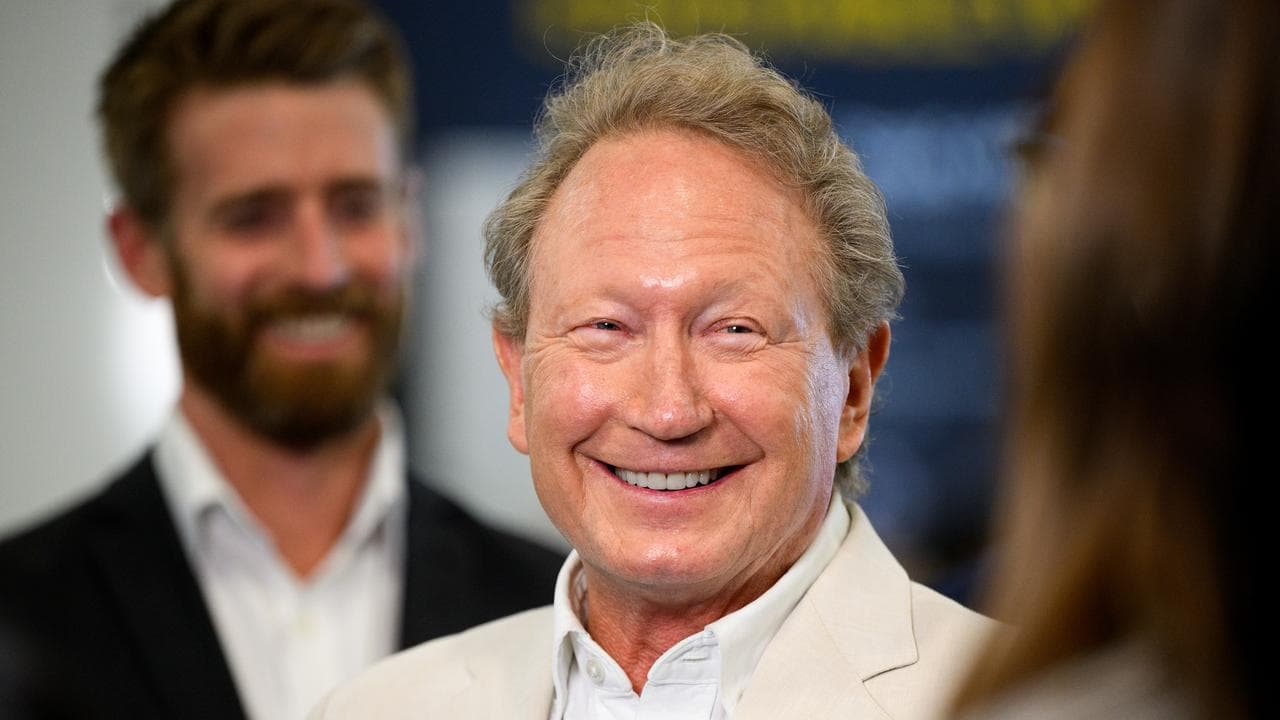
Meta, which intends to defend the lawsuit, is accused of not doing enough to stop the proliferation of the scam ads despite knowing they were a problem for years.
Lengthy discussions occurred in the Federal Court on Monday as top silks for the Australian Competition and Consumer Commission and Meta battled out which evidence the social media company would be forced to produce.
"Advertising gets itself onto the Facebook platform … without any human ever having reviewed the material," ACCC barrister Naomi Sharp SC said.
"Meta failed to adopt reasonable safeguards which we say would have reduced the prevalence of the (scam ads)."
However, Meta's barrister argued the consumer watchdog was being unreasonable in its sizeable demands for evidence, including records from internal communications going back years.
"This case is not about every thought that took place within this giant organisation over seven years," Fiona Roughley SC said.
The ACCC argues its demands for insights from Meta's advertising library will be used to show how lax the company's verification processes were.
"We want to prove a negative ... you can't say what you're publishing on your platform," Ms Sharp said.
Ms Sharp also referenced alleged tactics Meta used to stall regulators by cleaning up its Ad Library, as reported by Reuters in December.
"A playbook within Meta designed to dupe regulators around the world, so they can delay for as long as possible verification procedures for advertisers," the ACCC silk said.
Despite the lawsuit being launched in March 2022, no trial date for the case has been set.
Ms Roughley flagged Meta's intention to ask for 12 months to comply with the discovery evidence requests, which will be adjudicated at a later date.


