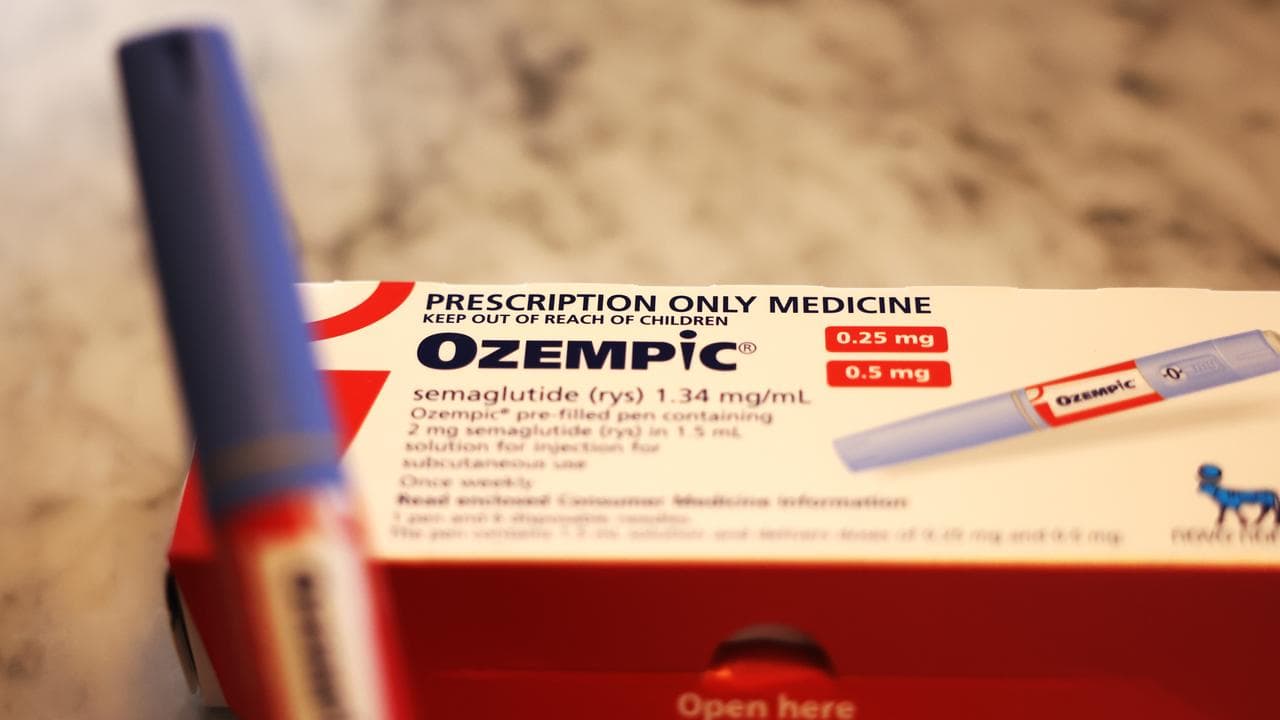
Resmed shares have climbed, with the medical device-maker saying Ozempic-style weight loss drugs appear to be having the opposite effect on its sales than many expected.
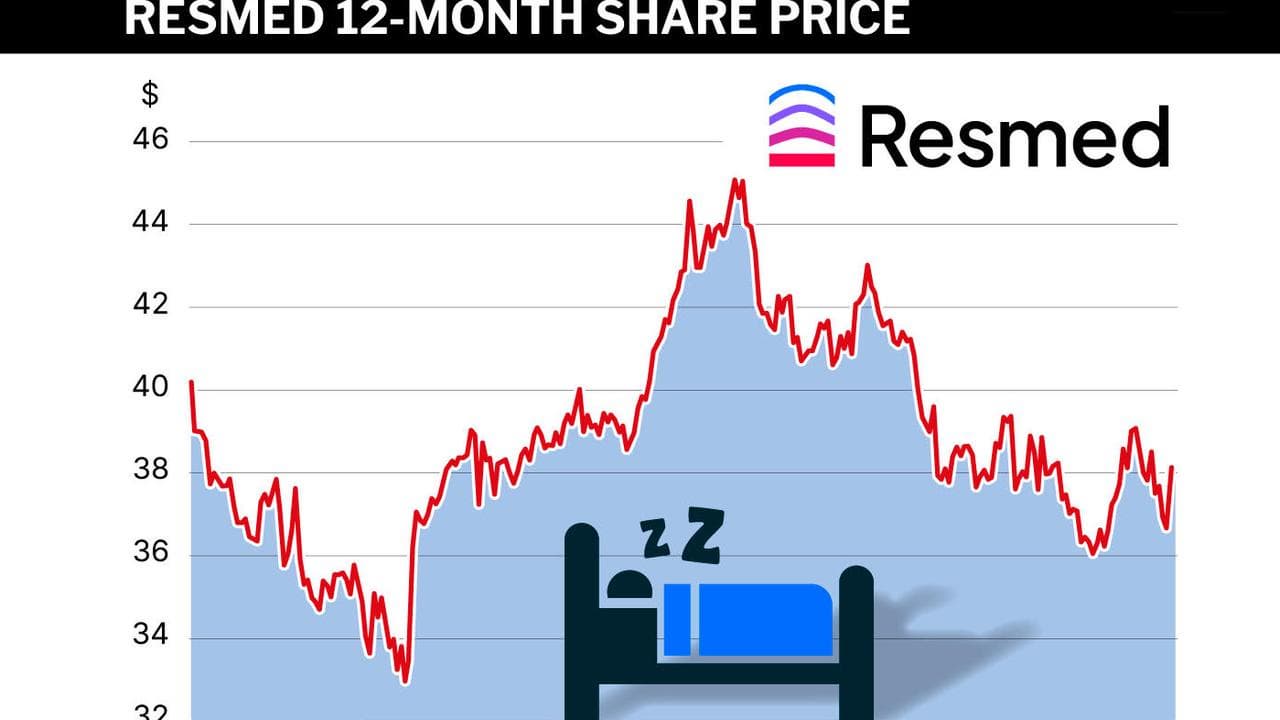
As GLP-1 drugs like Wegovy and Mounjaro surged in popularity a few years ago, some investors feared they would reduce demand for the Resmed's devices, leading to RMD shares falling by nearly a quarter in August 2023.
Resmed makes positive airway pressure (CPAP) machines for patients with obstructive sleep apnoea, a disorder closely associated with obesity, a condition pharmaceutical companies were now successfully treating.
But the Australian-American company said patients with an obstructive sleep apnoea diagnosis taking GLP-1 drugs were actually more likely to initiate positive airway pressure therapy than those not taking the injections, and also more likely to stick with it.
Based on data from 1.95 million patients, those taking GLP-1 drugs are 10.8 per cent more likely to begin CPAP therapy and 6.2 per cent more likely to still be using noisy night-time devices three years later, according to Resmed.
"The thesis that this could be a headwind is completely gone," chief executive and chairman Mick Farrell told analysts during a conference call on Friday.
"It's a tailwind, and the question is now, how much of a tailwind will it be?"
Resmed doesn't fully understand the psychology of why GLP-1 patients with sleep apnoea were more likely to try CPAP therapy, he said.
"We see the correlation, don't know the causality," Mr Farrell said.
Talks with doctors suggest GLP-1 drugs and the pharmaceutical company advertising behind them are introducing a "highly motivated" patient group to Resmed's intake funnel, he added.
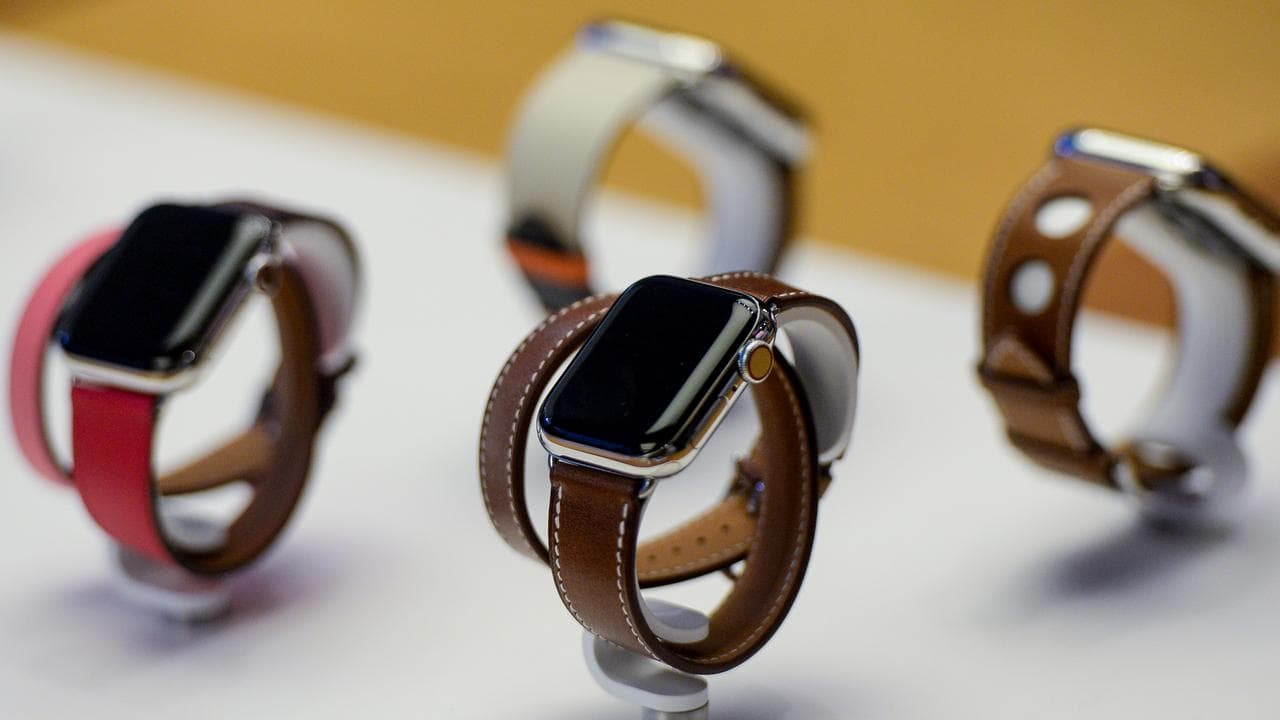
Smartwatches and similar devices were also increasing consumer awareness around sleep apnoea and sleep quality in general, Mr Farrell said.
"I'm predicting that at least one or two or three of these wearable companies will follow Apple Watch and Samsung Galaxy watch to develop and launch sleep apnoea detection capabilities," he said.
Resmed made $US1.4 billion ($2 billion) in revenue in the three months to December 31, up 11 per cent from a year ago, the company said on Friday.
It made $US393 million in net income for the quarter and said it expected high single-digit revenue growth over the next five years.
RBC Capital Markets analyst Craig Wong-Pan said Resmed had delivered a good result that was a slight beat to consensus expectations across almost all metrics.
"We expect RMD's solid result to be well received by the market," he said.
RMD shares late on Friday afternoon were up 3.7 per cent to $37.74.
Resmed declared a quarterly dividend of six US cents per share for its ASX shareholders.
The company ended the quarter with what Mr Farrell described as a "very strong balance sheet" - $US1.4 billion in cash and $664 million in debt, for $753 million in net cash as of December 31.


