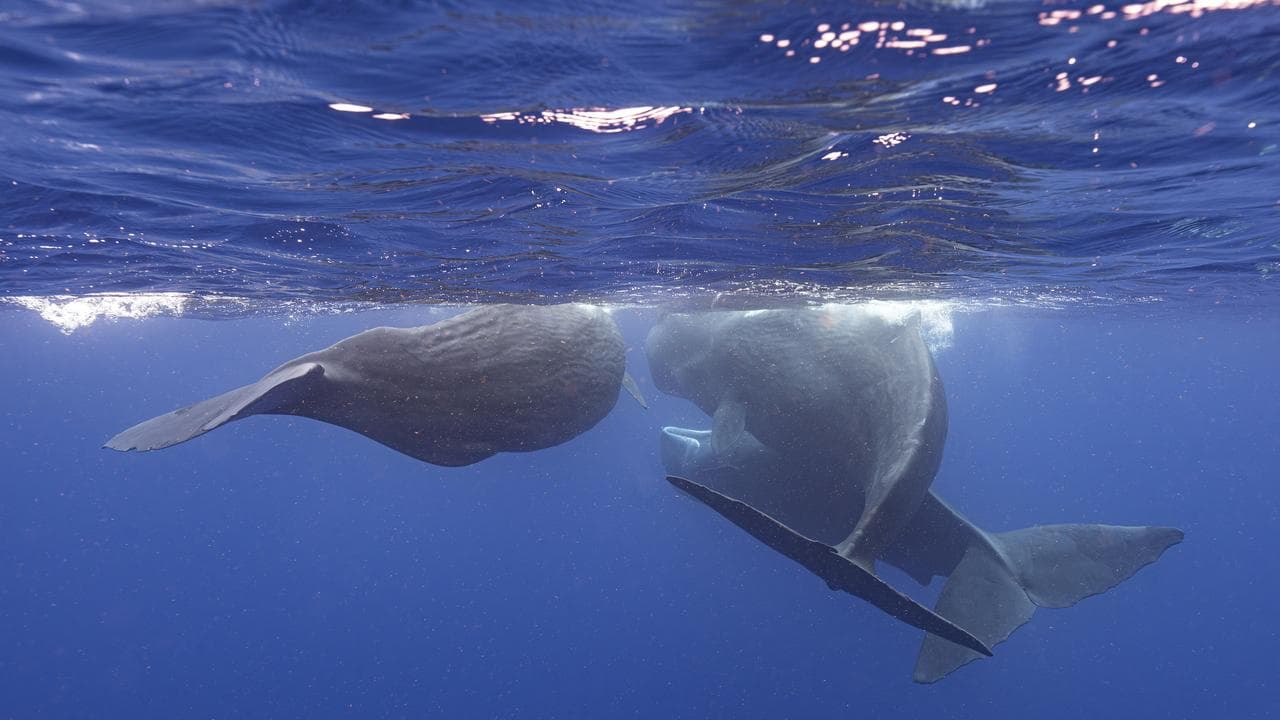
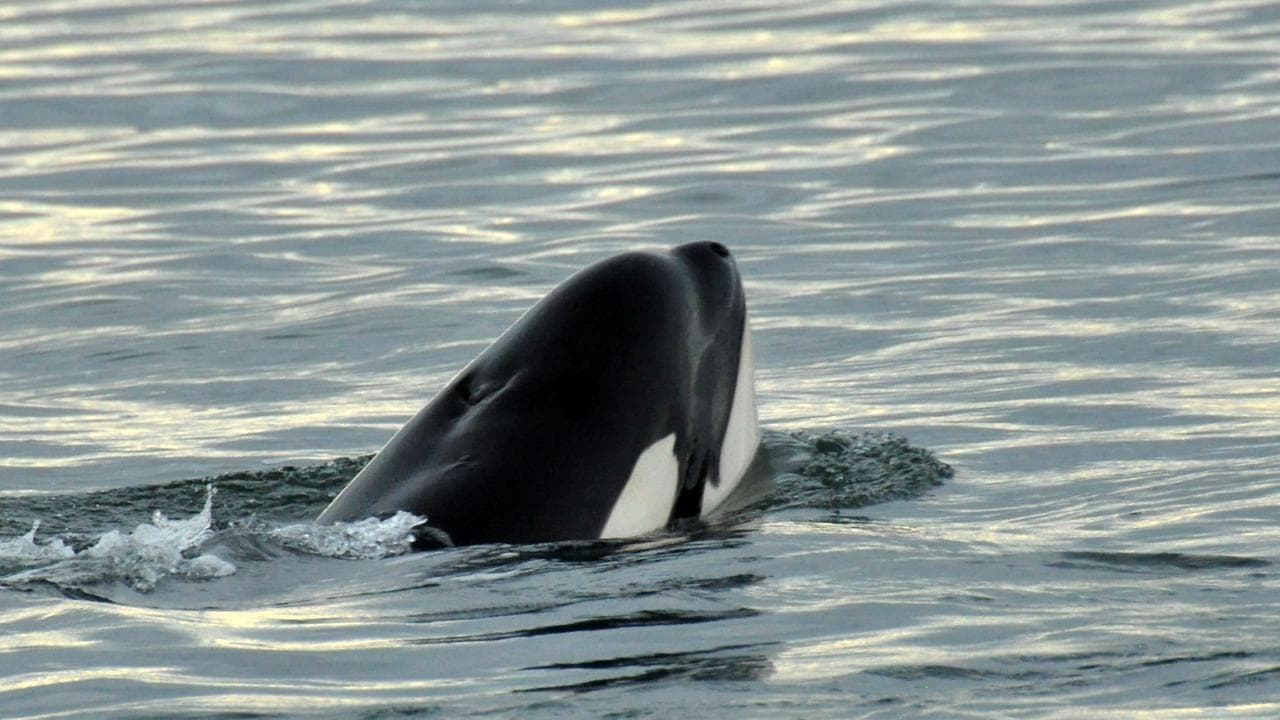
Dolphins and whales in the Pacific Ocean have been contaminated by some of the highest levels of so called forever chemicals in the world.
First-time global mapping of per and poly-fluoroaklyl substances, or PFAS, in toothed marine mammals suggests infiltration levels have been rising over the past two decades.
Australian researchers behind the study say more intensive industrial activity and PFAS production in Asian countries could be behind the detected elevations in the Pacific.
By contrast, marine mammals found in the Mediterranean returned lower PFAS readings, potentially reflecting less industry and European Union bans introduced on several compounds.
PFAS are a group of roughly 15,000 toxic, synthetic chemicals known for their resistance to heat, stains and grease.
Found in some non-stick cookware and firefighting foams, they are known as "forever chemicals" because they don't break down naturally and have been found to build up in the environment, including in the bodies of humans and other animals.
While the science around PFAS is evolving, evidence suggesting it can suppress immune systems and alter hormone levels in mammals is now reasonably robust.
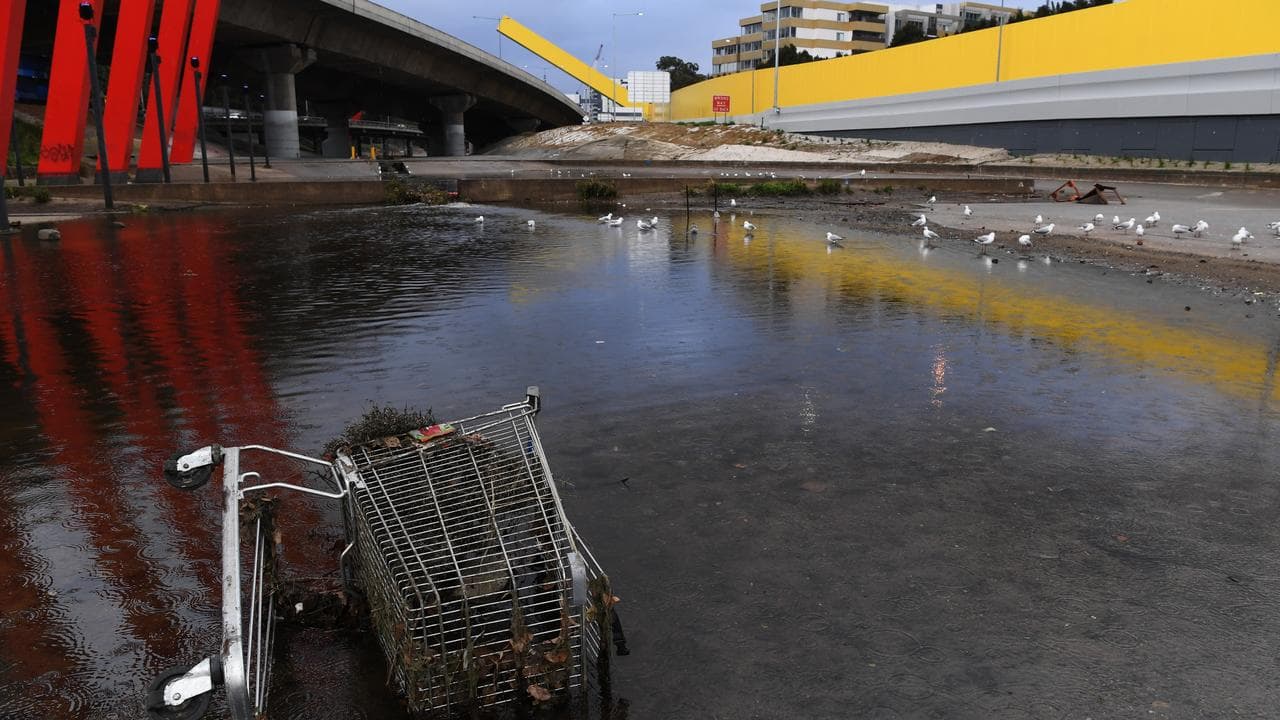
Marine animals are not spared and become exposed when the chemicals leak from homes and factories into waterways, with the substances confirmed in bottlenose dolphin milk.
Predators that eat other contaminated animals, including toothed whales, tend to accumulate the chemicals faster than lower food chain species.
Lead researcher and biological science lecturer at the University of Wollongong, Katharina Peters, said there was still more to learn about the specific health problems inflicted on toothed whales but early indications were concerning.
Disrupted immune systems and fertility were particularly worrying for long-lived species with small populations and compounding threats such as net entanglement and climate change to negotiate.
"The population can't just make that up," Dr Peters told AAP.
"It's not like a rat that has dozens of babies per year."
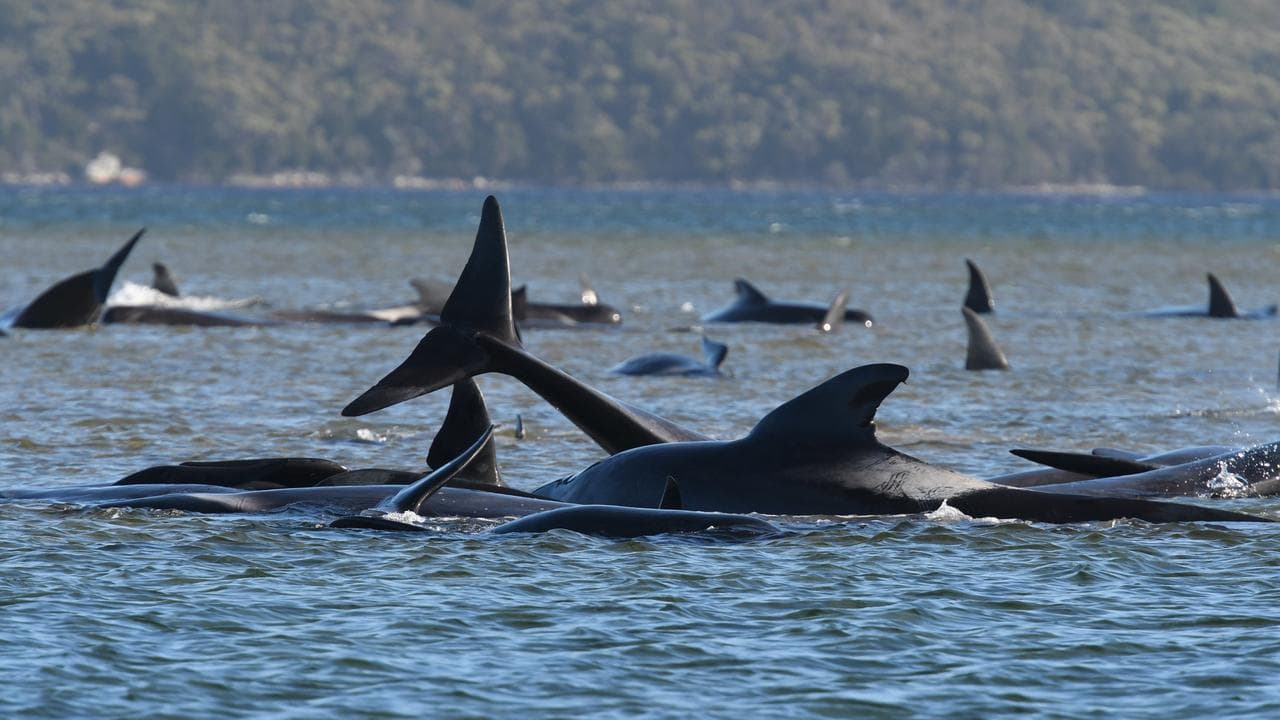
The study published in Marine Pollution Bulletin relied on more than 700 liver samples collected from stranded toothed whale species over 23 years, some new and others aggregated from earlier research.
While gaps in the dataset remain, it represents the most comprehensive global mapping project yet to understand PFAS load in different toothed whales species and locations.
Widespread, long-lived and top of the food chain, toothed whales serve as a useful indicator for overall ocean contamination patterns, highlighting regions most in need of further monitoring and research.
“Pollution has a geography," study co-author Frederik Saltre, from the University of Technology Sydney, said.
"The strong differences among ocean regions and toothed whale groups show PFAS exposure is shaped by the intersection of human activity, regional pollution histories and species ecology.”
Until forever chemicals are fully phased out and alternatives discovered, Dr Peters said environmental levels would keep accumulating.
Even with an immediate global ban, PFAS would remain an enduring problem, with no feasible option to clean it up.
"It would be a bit like trying to clean up a house full of glitter."
In Australia, public awareness and scrutiny of forever chemicals are on the rise due to historical firefighting foam contamination but so far the regulatory response has trailed Europe's.


