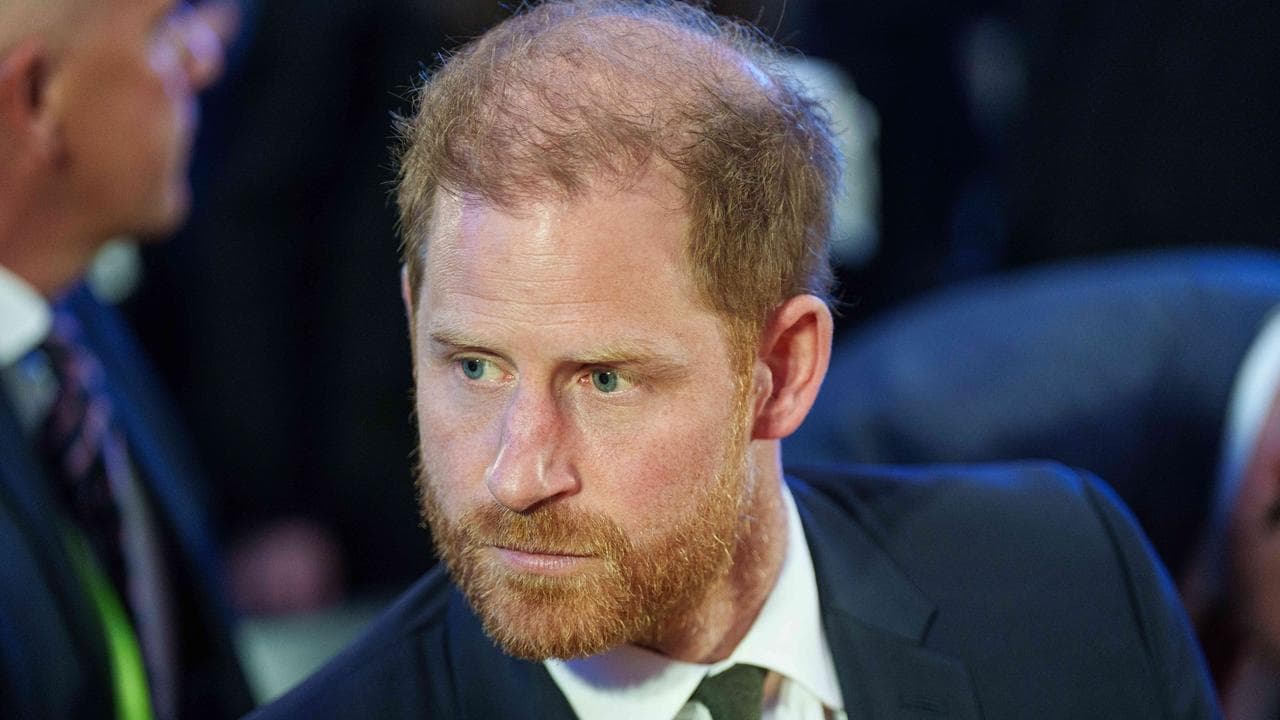
Prince Harry, the estranged younger son of King Charles, and other high-profile British figures, lost their privacy lawsuits against the Daily Mail's publisher, in a comprehensive defeat in the royal's last legal battle with the British press.
Harry, who lives in California but by coincidence was in Britain when London's High Court gave its ruling, has brought several legal cases against the British press and has long railed against their alleged abuse of power.
The prince, 41, has long blamed the press for the 1997 Paris car crash that killed his mother, Princess Diana, and compared her treatment to that of his American wife Meghan, holding back tears in the witness box in January as he said the Daily Mail had made Meghan's life "an absolute misery".
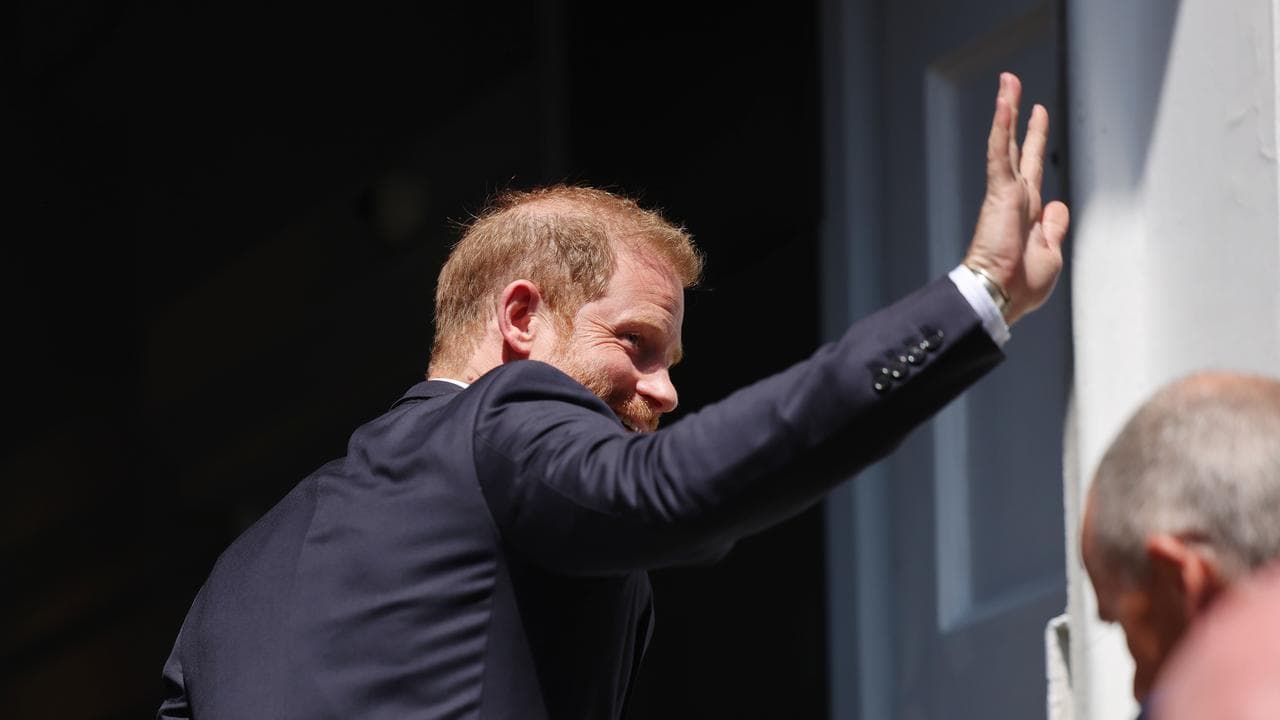
He had previously won against the publisher of the Daily Mirror tabloid and settled a claim with Rupert Murdoch's British newspaper arm, but Tuesday's ruling is a significant defeat in his battles with the media.
"His campaign against the other newspaper groups has largely been successful," media lawyer Mark Stephens told Reuters.
"But I think it's time to reappraise what the media today is and it's very different to the media of (the time of) Princess Diana."
Harry said the judgement was "a complete and obvious whitewash", in a statement issued on behalf of him and fellow claimant Doreen Lawrence, whose son Stephen was murdered by a gang of white men in a notorious racist attack in 1993.
Associated said Tuesday's ruling was "an overwhelming victory for the Daily Mail and its journalists and for a free press generally", adding that it would seek its legal costs after a trial it said cost more than 50 million pounds ($A96 million) in total.
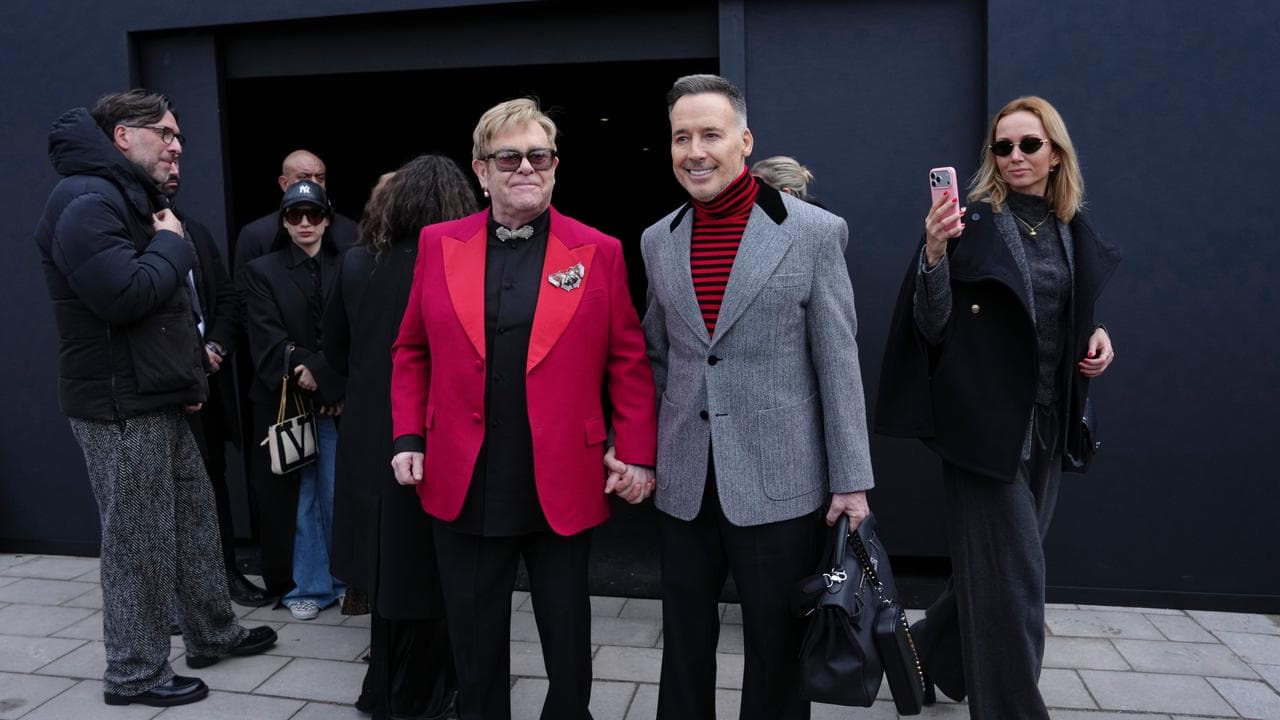
Harry and the other claimants, including Elton John, alleged dozens of stories about them published by Associated Newspapers in the Daily Mail and the Mail on Sunday from the 1990s to 2011 were based on information which had been obtained unlawfully.
Their lawyers alleged information was obtained by private investigators, by hacking into messages on mobile phones, tapping landlines or obtaining personal information, such as medical records, by "blagging" – deceiving people into handing over confidential details.
Associated, however, said the allegations were smears and the Daily Mail's long-serving former editor Paul Dacre accused Harry of hypocrisy for alleging invasions of his privacy while having repeatedly spoken publicly about the royal family.
"I feel sorry for the way a confused and angry young man has been drawn into this case," Dacre, formerly one of Britain's most powerful press figures, said in a statement.
Judge Matthew Nicklin said in his ruling that the claimants had needed to prove that information published about them had been obtained unlawfully, but suspicion was not enough.
Dismissing Harry's case in relation to one specific article about his relationship with then-girlfriend Chelsy Davy, Nicklin said that "privacy alone does not prove unlawful acquisition".
Harry and Lawrence said in their statement: "We presented to the court evidence which we believed was compelling at the time and remains so now."


