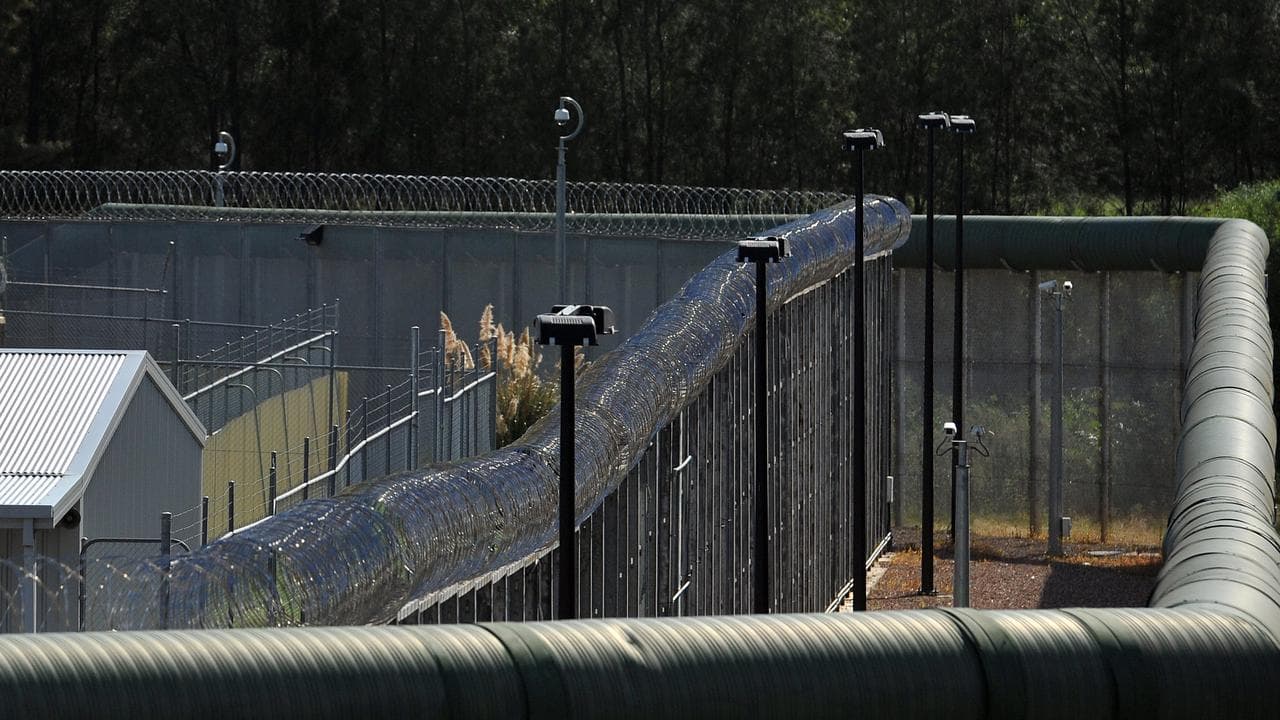
Inmates spent 24 hours a day locked alone in their cells for up to three months straight at multiple prisons, raising human rights and legal concerns.
The NSW Ombudsman released a damning report on Tuesday, finding oppressive and unlawful breaches at four state correctional centres from January to April 2025.
Prisoners went without their legally required hours of open-air daily exercise as well as contact visits, the report found.
Complaints from four inmates at the South Coast Correctional Centre in Nowra triggered an investigation, which revealed more than 30 inmates were subject to these conditions.
The 24/7 seclusion also occurred at three other prisons, including a maximum security facility in the NSW Hunter Valley.
“(Protective custody inmates) were deprived of daily exercise or contact visits, was unlawful and oppressive,” NSW Ombudsman Paul Miller said.
“Had we not received any complaints, it is not clear how long the situation at South Coast Correctional Centre and the other centres would have persisted.”
The troubling situation arose out of multiple policy changes since the COVID pandemic.
The first change in 2020 meant inmates who could previously associate with each other while separate from the general prison population were required to be completely isolated.
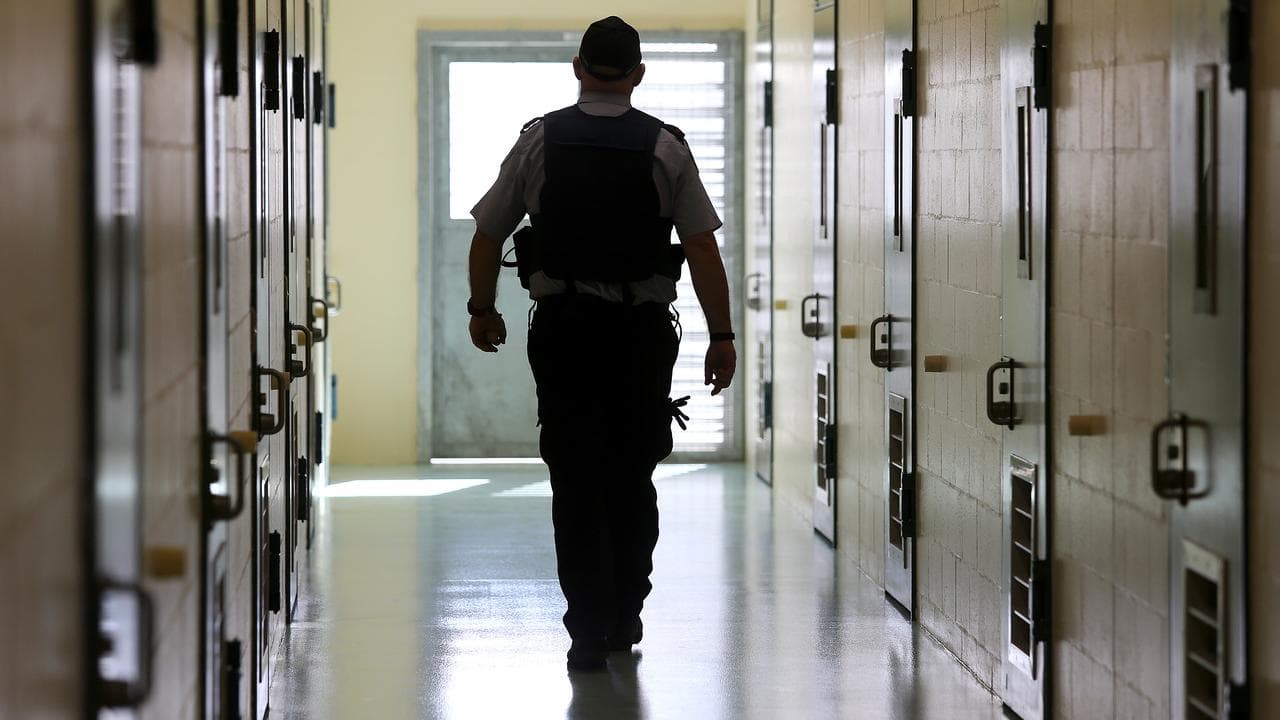
Another change in December 2024 meant another category of vulnerable inmates had to be completely isolated or assimilated into the general prison population.
This sudden population spike met a system that was short-staffed and lacking infrastructure, resulting in inmates often being placed in overflow areas without an attached yard.
Mr Miller said the subsequent overcrowding was “foreseeable and avoidable”.
The report raises serious concerns about legal and human rights violations due to the lack of outdoor exercise and contact visit opportunities.
Prolonged confinement to a cell without access to exercise can lead to significant physical deterioration and psychological harm, and compound the challenges inmates face when reintegrating into society.
The report also details the failures of Corrective Services NSW to provide documentation during the investigation when required, which was found to be “unlawful and wrong”.
In many cases proper records were not kept about inmates' time out of cells and if or when they accessed a yard for exercise, so the full extent of the issue was unclear.
The ombudsman delivered 13 recommendations, including conducting regular reviews of inmates in protective custody and conducting record-keeping training for senior staff.


