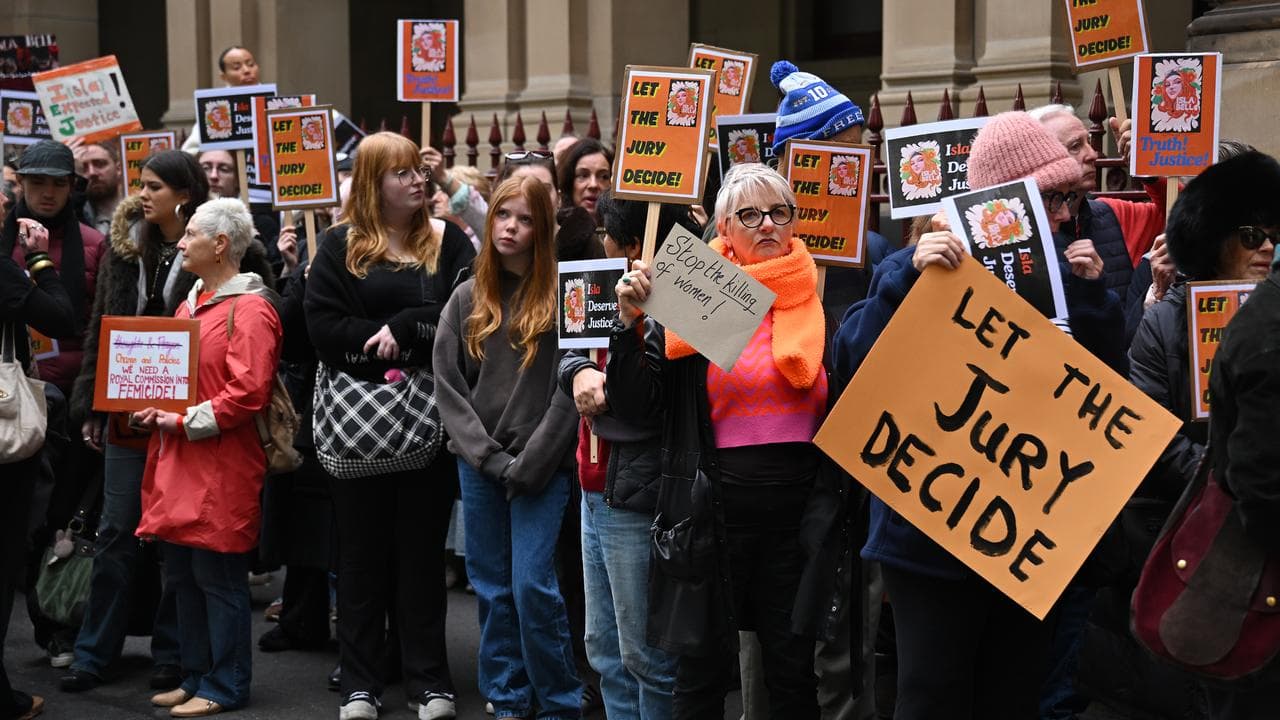
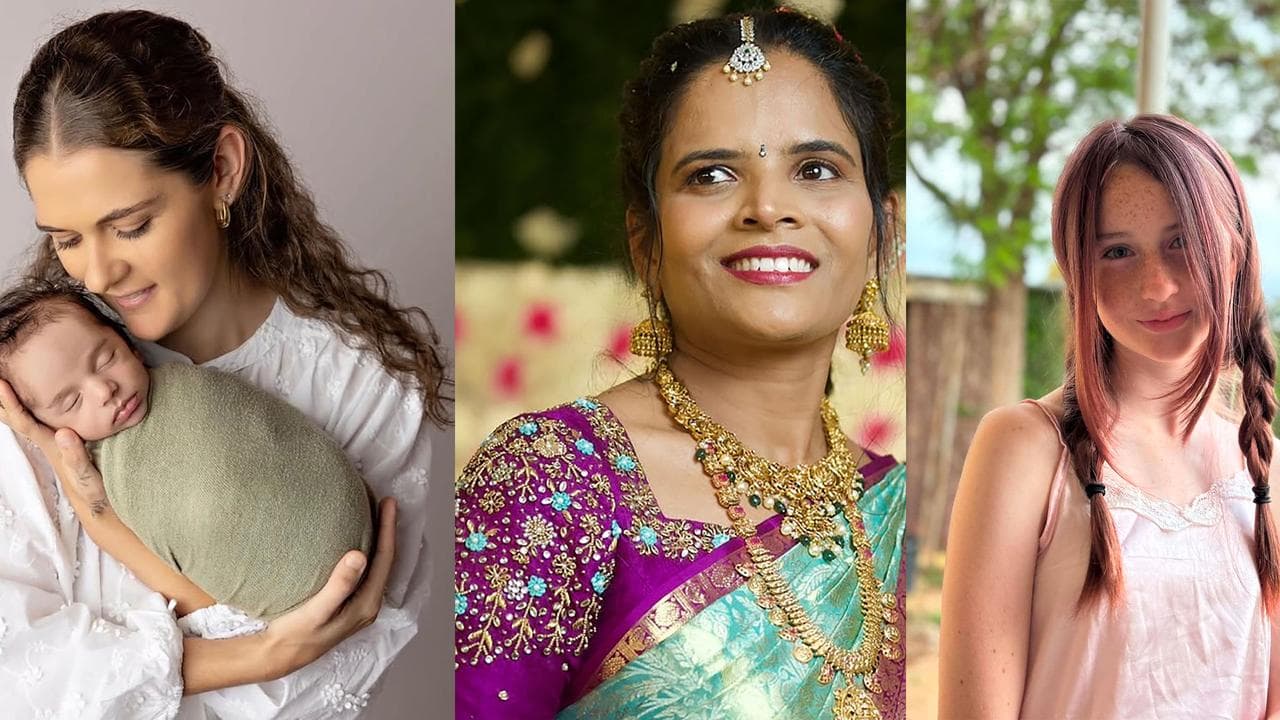
The identities of four women and girls killed within four days, allegedly by men known to them, are recited to a rally outside a Supreme Court.
"Jana Armstrong, Lavanya Chappa, Layla Jeffery and the unnamed girl who was 17 years old from the Northern Territory," activist Sherele Moody tells the 100 people assembled in Melbourne's William St.
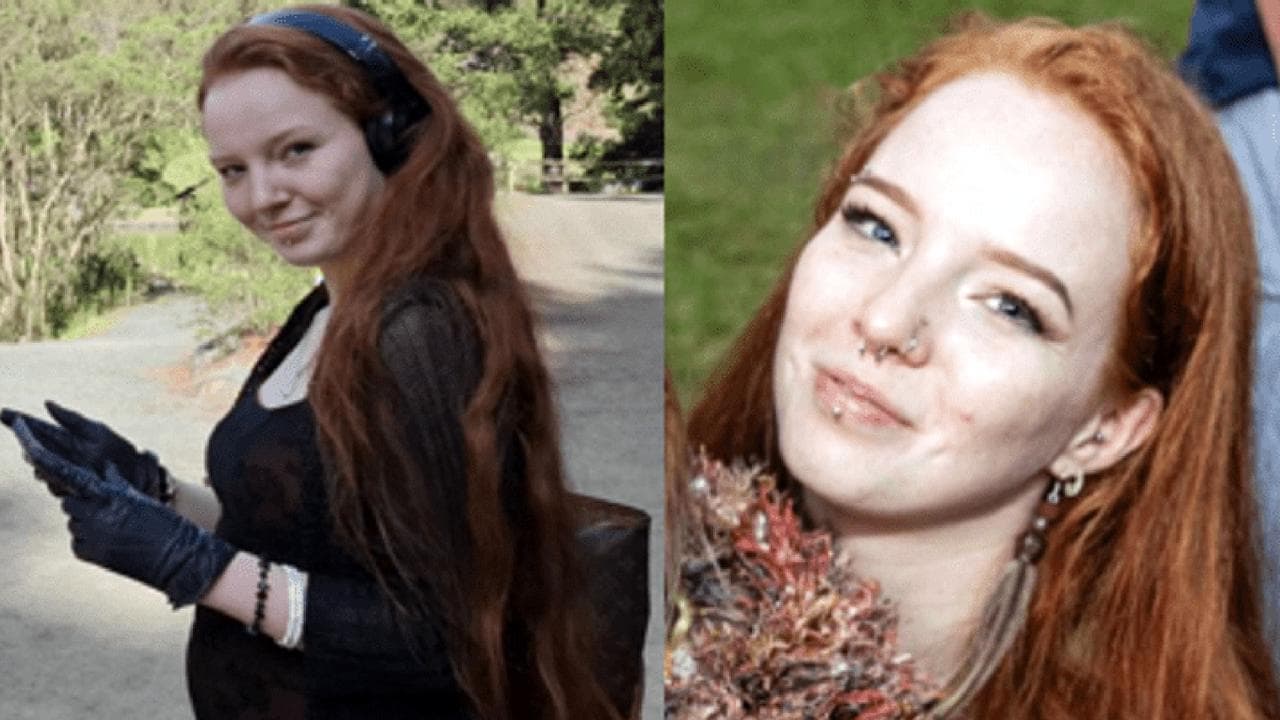
Minutes earlier inside, the defence team of a previously accused killer had argued he should walk free without charge over the death of Melbourne teen Isla Bell.
Within hours, a headline would appear: "Body in fridge accused makes rare legal move."
Ms Bell's mother, who has become an advocate to end gender-based violence, is no stranger to these bold-type phrases about her daughter.
"To wake up today to headlines of 'body in fridge', to allow that, without consequence?" Justine Spokes tells AAP.
"We're one of the wealthiest countries, how are we allowing the promotion of misogyny by allowing headlines like that? There's no accountability."
Our Watch has been working with media organisations and advocates for more than a decade to promote respectful reporting on violence against women.
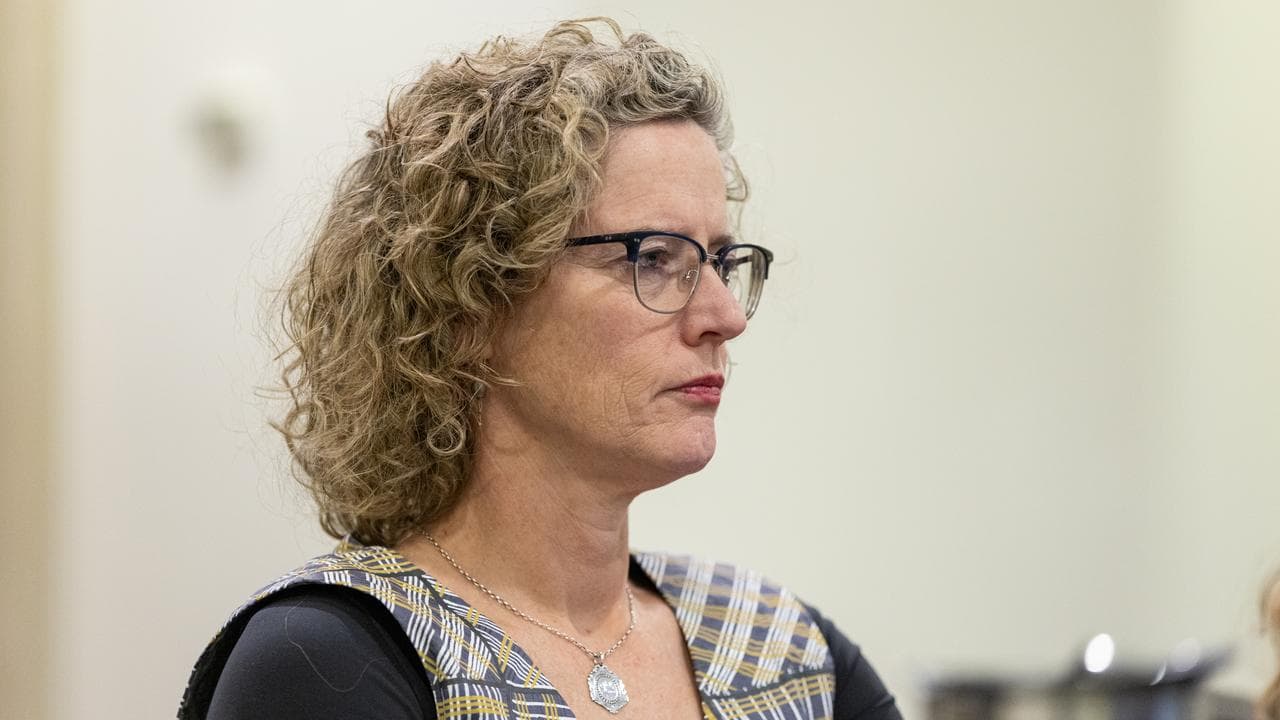
"A lot of the reporting has improved but we're still seeing these headlines," Our Watch chief executive Patty Kinnersly says.
"It's just so damaging for the people involved and their loved ones; it's also part of a bigger issue of desensitising the community about gender-based violence against women."
Ms Kinnersley says headlines that dehumanise victims are one of the drivers of gender-based violence.
"I have incredible respect for journalism and acknowledge the incredible timeline pressures journalists are under these days," she says.
"But we also know journalists not only reflect community attitudes and sentiment, they have the opportunity to influence it.
"We definitely would call on journalists to keep a real focus on how they report, not only for the families but for the broader work to prevent this violence occurring in the first place."
In August 2025, the South Australian Royal Commission into Domestic, Family and Sexual Violence recommended national standards for responsible media reporting on domestic, family and sexual violence.
"That is being looked into now at a federal level," Ms Kinnersley says.
"The exploration of whether this will help is definitely something that needs to be looked into more."
She says the deaths of two girls and two women highlight that "we've got a lot of work to do" and part of that involves discussing and promoting healthy masculinity.
"The unfortunate, uncomfortable truth is that most violence is perpetrated by men against women, allegedly that's the case again here," Ms Kinnersley says.
"We need to really keep a focus on how do we build healthy masculinities in young men and in adults because we know that's one of the key factors."
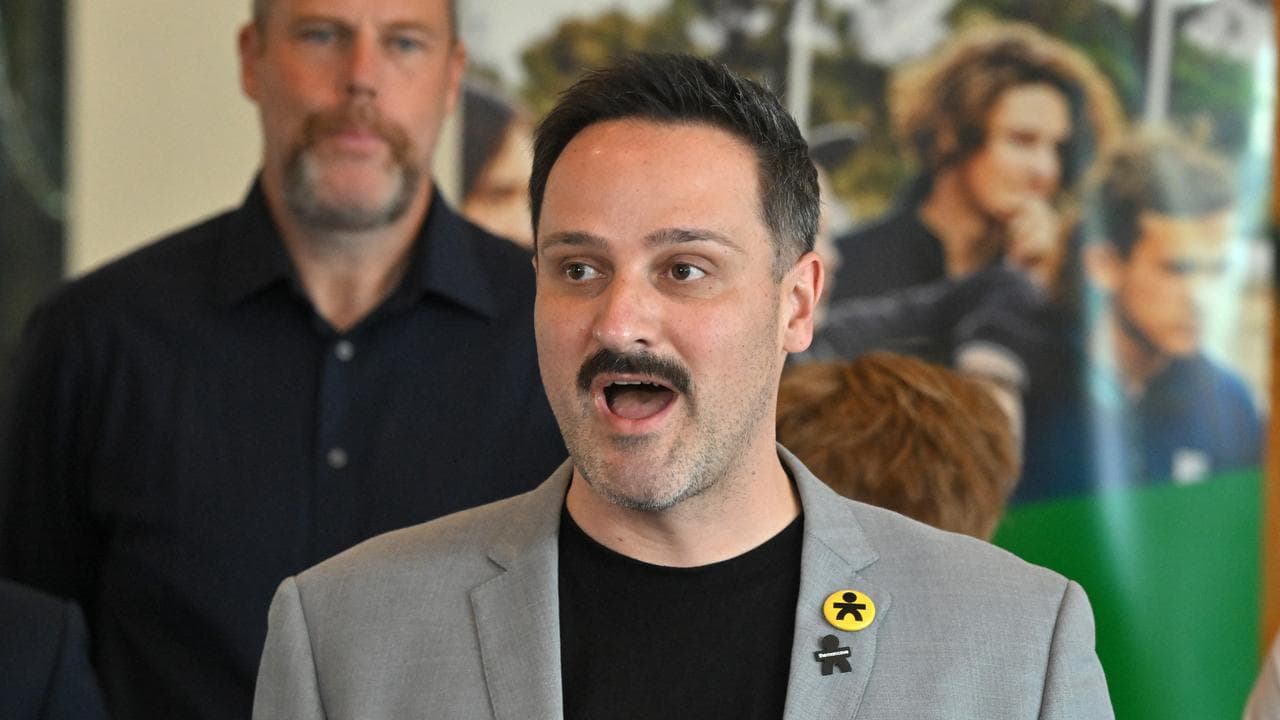
Ben Vasiliou, chief executive of Man Cave, a charity that works with boys and men, says more male role models need to speak against violence.
"Silence favours the side of the oppressor," he tells AAP.
"I know it's not going to lead immediately to direct change but it will help start shifting attitudes.
"The second thing is we need visible accountability for perpetrators, the third thing is that we need to be investing significantly in the prevention of these behaviours."
Violence is a choice and prevention needs to begin early, he says.
"If we don't get in earlier with boys and young men and start shaping a healthier version of masculinity, we're going to be dealing with more control, more abuse, more neglect, more violence and more deaths," Mr Vasiliou says.
"We really need to shift what it means to be a man."
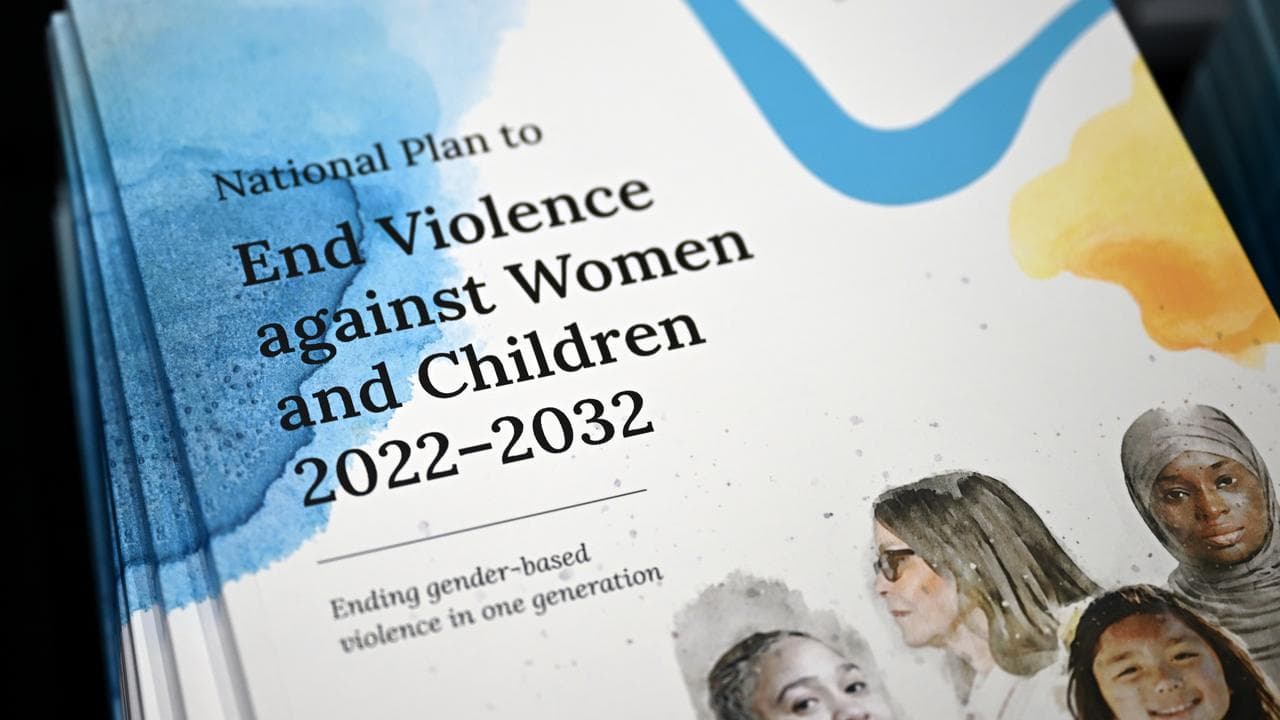
The sector is consulting with the federal government to develop the Second Action Plan under Australia’s National Plan to End Violence against Women and Children 2022–2032.
Ms Kinnersly says it's important to remember gender-based violence is preventable but we all have a role in ending it.
"We need guidance, funding and a framework from the commonwealth government and every state and territory government; I'm not stepping away from that fact," she says.
"The evidence is clear and in order to prevent this we need to promote respect and challenge discrimination towards women.
"As a parent, I can role model healthy relationships, I can make sure I'm not using gendered language, I can make sure I'm not laughing at the sexist joke."
Leadership is needed in media, government, workplaces, sporting clubs and schools but, she says, individual action is just as important.
"The next step is people do some homework on this themselves," Ms Kinnersly says.
"Governments won't get it done alone, we need them and they've got a responsibility.
"But, 'What am I doing in my sphere of influence to contribute to positive change in this space?' is probably the question we need every person to ask."
For Ms Spokes, change cannot come soon enough.
After prosecutors dropped murder and then manslaughter charges against the man they previously said was responsible for her daughter's death, she feels gaslit and invalidated by the system.
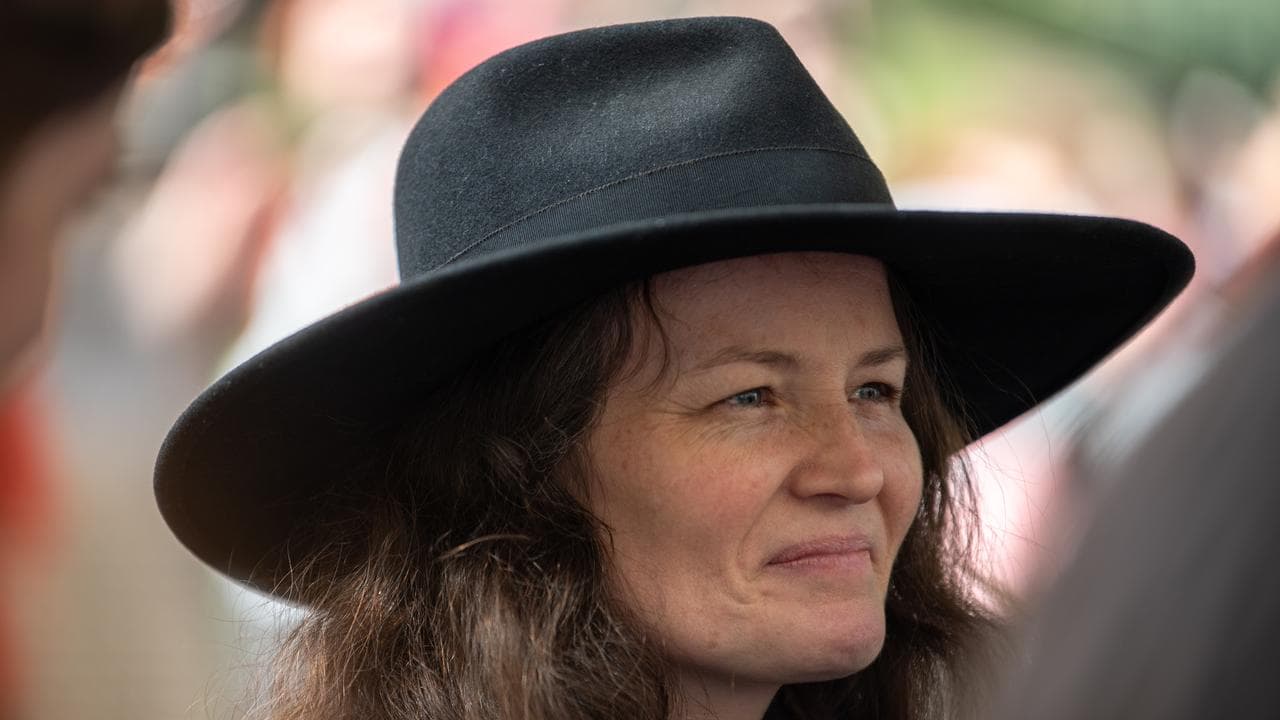
"The way it's talked about and the way the solutions are funded is just to treat symptoms and not the causes," she says.
"In my situation, there's not even accountability in our legal system, so the victims have no justice.
"If anything, the very system that's abused you, re-traumatises you."
1800 RESPECT (1800 737 732)
Lifeline 13 11 14
Men's Referral Service 1300 766 491


