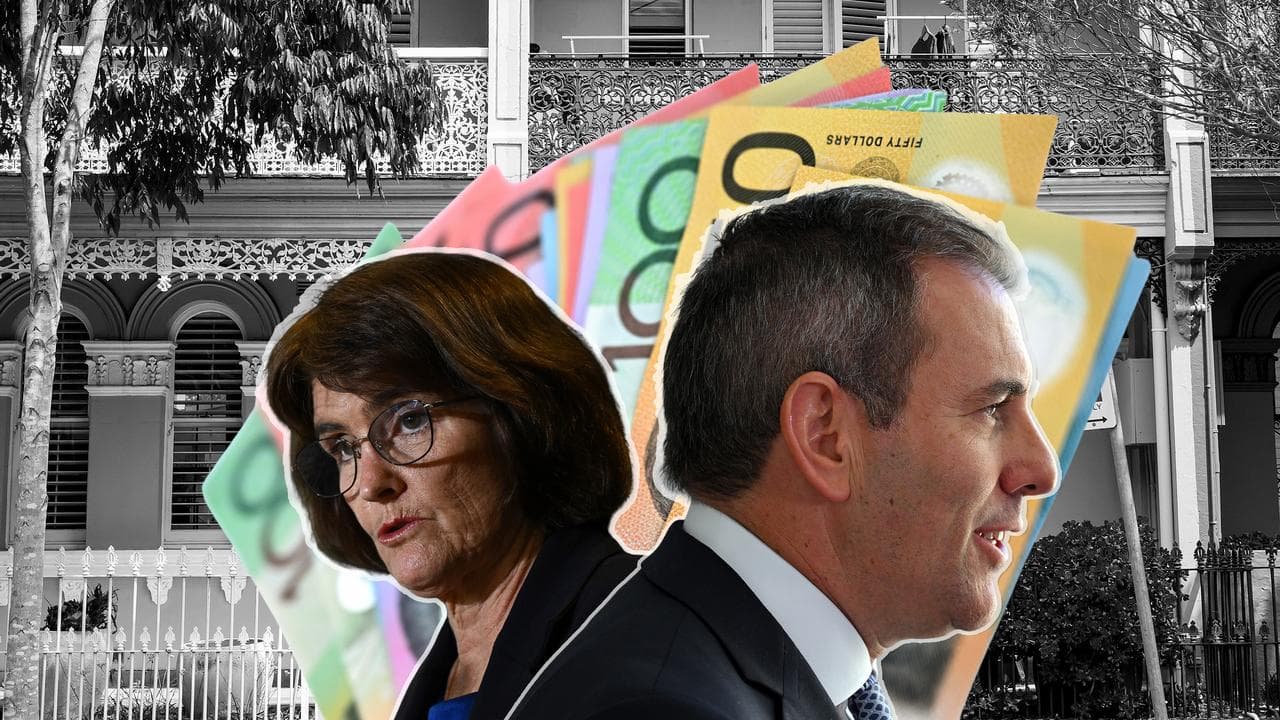
Labor's budget tax changes have sparked the biggest fall in investor home loans on record, with builders warning that falling investment in new housing will hit renters hard.
As the Reserve Bank hiked interest rates to an 18-year high on Tuesday, economic data released by the central bank's staff showed lending to investors fell off a cliff in the June and September quarters.
While RBA governor Michele Bullock said a pullback in property investor demand was normal in a housing downturn, the larger fall compared to owner-occupiers suggested the curbs to investor tax breaks in the May budget were having an impact.
"The fact that investors have declined so much further than they have in previous interest rate-increasing cycles suggests that there's something else going on here, and the something else going on is the tax changes," she told reporters on Tuesday.
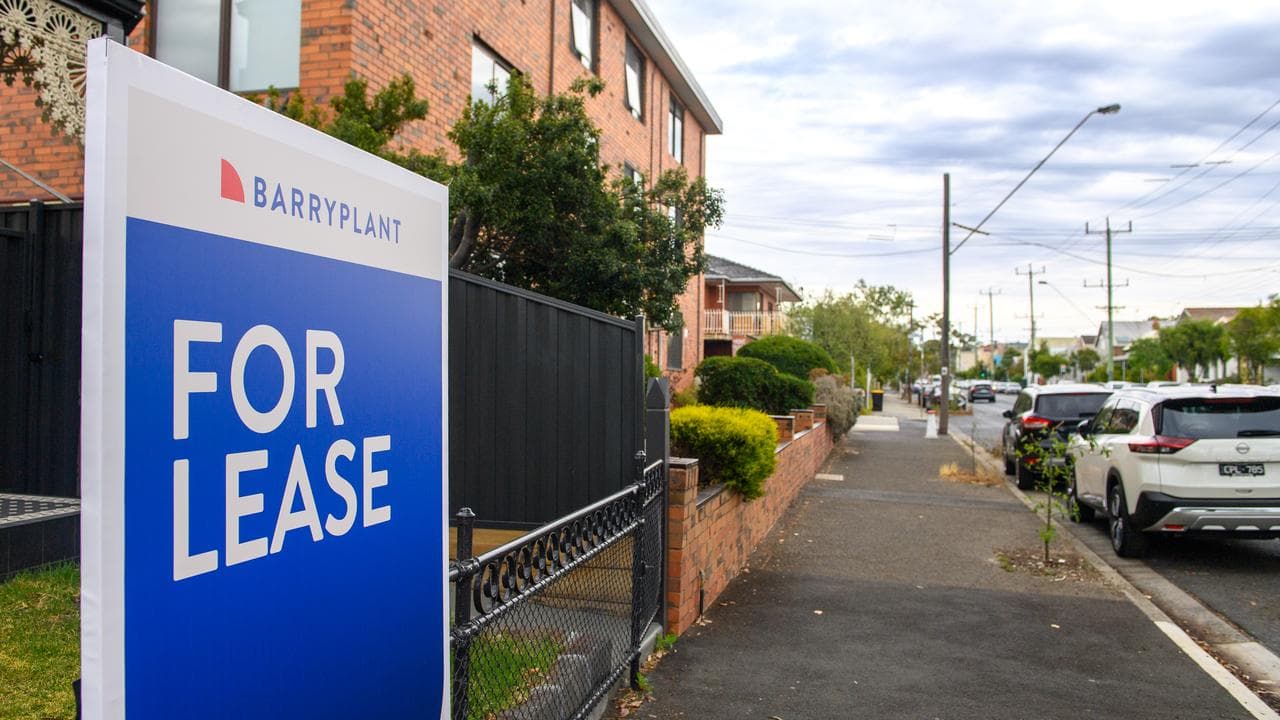
Total loan commitments have fallen 27 per cent below their November 2025 peak, figures included in the RBA's November Statement on Monetary Policy revealed.
But owner-occupier lending has had only a modest decline.
The fall was most pronounced for the investing sector, which experienced the largest drop in loan commitments during any hiking cycle on record.
It was also concentrated in loans to purchase established dwellings.
In the May budget, the government abolished negative gearing and reined in the capital gains tax discount for investors purchasing established homes, with an exception for new dwellings that added to overall housing supply.
The combination of tax changes and higher rates means investors were going to be much scarcer on the ground than previous downturns, said Cotality's research director, Tim Lawless.
"Our finger in the air would be that investors will probably go from around 41 per cent of demand late last year to around 20 per cent of demand once the dust settles," he told AAP.
Even when the market starts to recover, the tax changes mean investors would likely still make up a smaller share of demand than previous periods of growth, he said.
While lending for new builds has been relatively resilient, the RBA noted that credit growth tends to follow house prices with a lag.
The bank projected dwelling investment would fall off a cliff in 2027 and 2028, despite upgrading the 2026 growth forecast to 5.1 per cent.
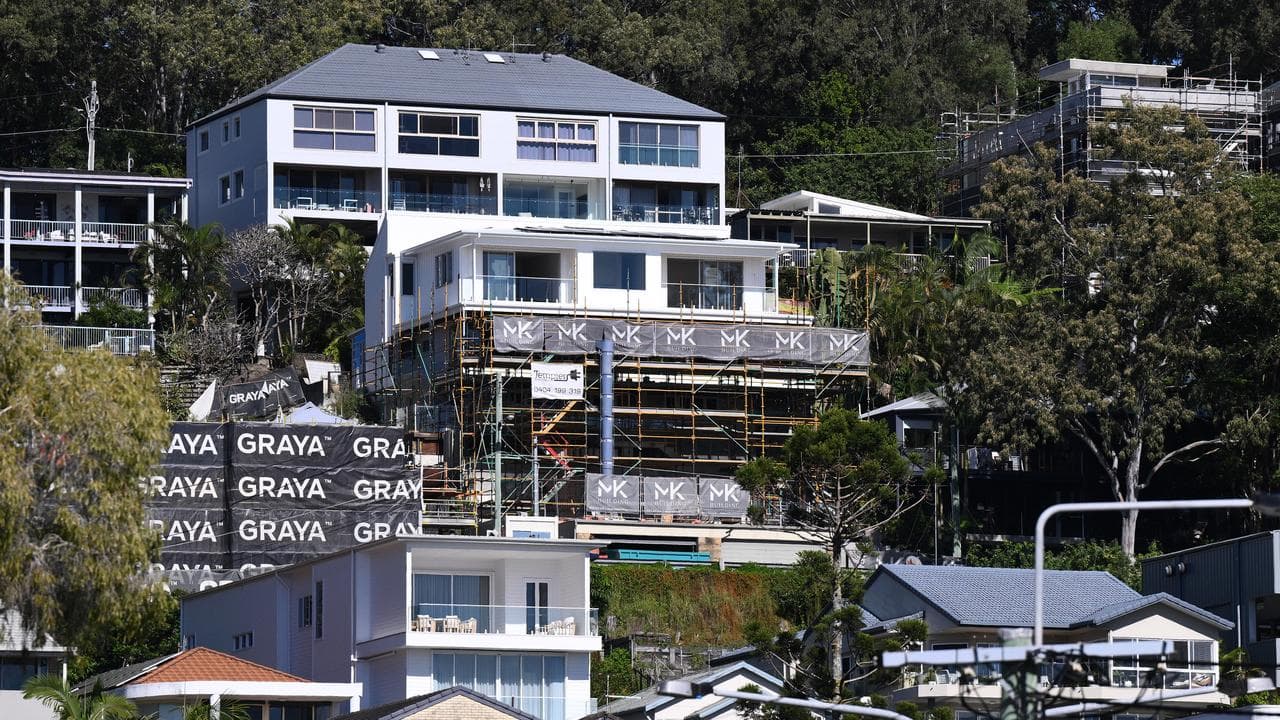
Dwelling investment is then forecast to decline by 2.8 per cent in 2027 and 1.8 per cent in 2028.
Melissa Byrne, national director of policy and legal at Master Builders Australia, said members were reporting that their pipeline of future work was not looking good.
"Traffic through display homes is down around 50 per cent compared to last year. So certainly, project feasibility is not stacking up, and the forward books are not looking good either," she said.


