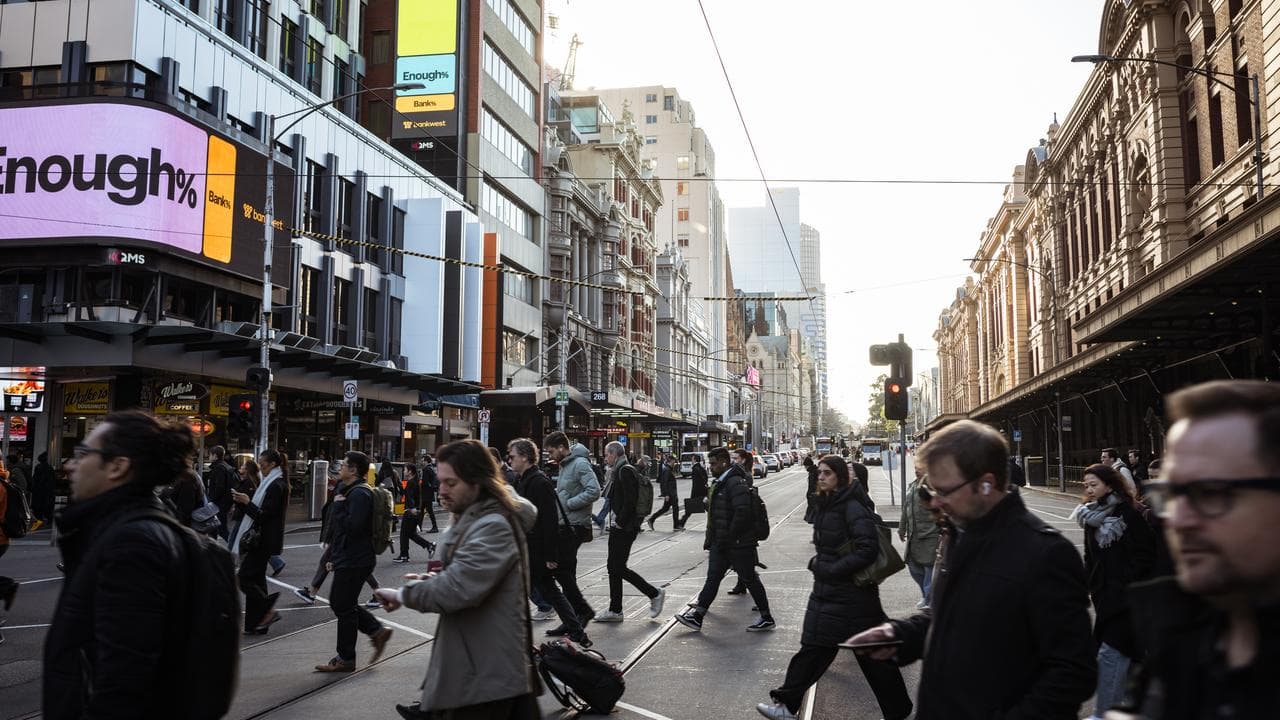
Australia's unemployment rate has climbed to 4.5 per cent, adding to the case for the Reserve Bank to hold off on hiking interest rates again.
The result was driven by a fall in jobs of 15,800, well below consensus forecasts for a rise in employment of 12,000.
While the labour force figures for July - released by the Australian Bureau of Statistics on Thursday - were softer than economists anticipated, the result was not as dire as the headline numbers suggest.
Employment figures are volatile and the fall followed a jump of 80,000 jobs in June.
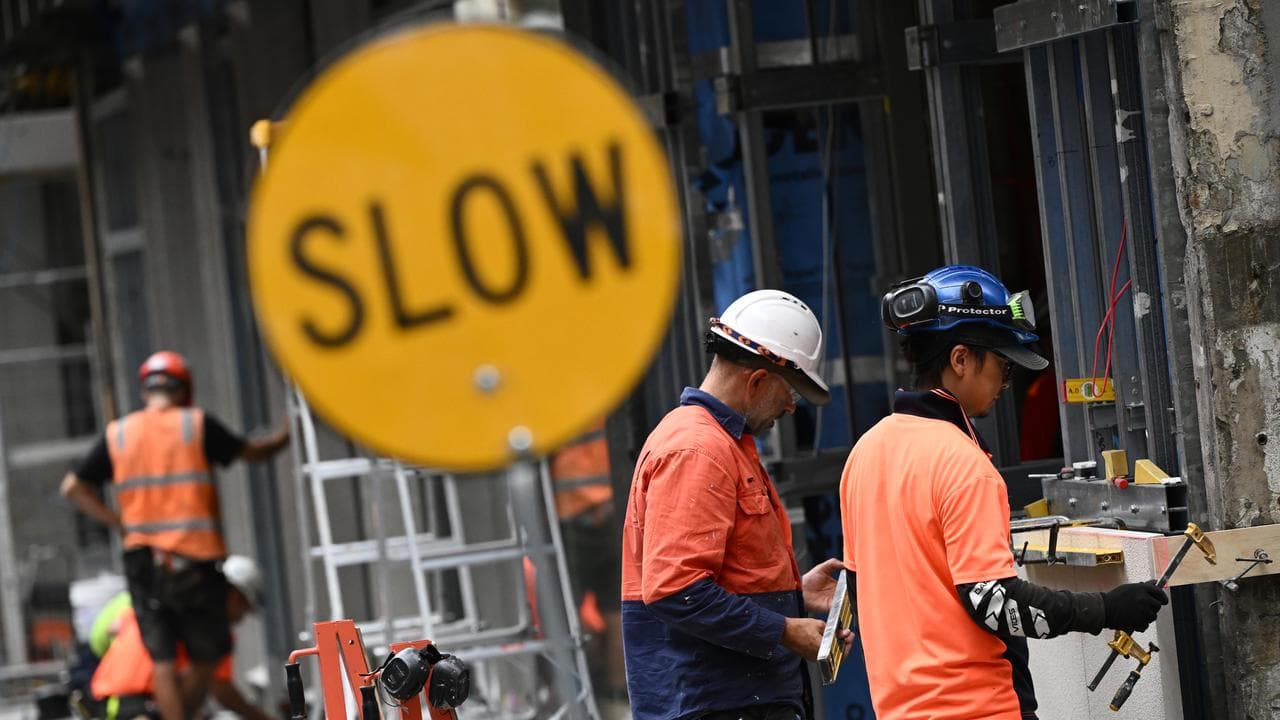
Although most economists had forecast the unemployment rate to hold steady at 4.4 per cent, at two decimal places the increase was more modest, from 4.43 per cent to 4.46 per cent.
The ABS also cautioned that a smaller sample size in the July survey meant "the standard errors on estimates are bigger" and fluctuations should be taken with a grain of salt.
Still, the result was broadly on the softer side, ANZ Bank senior rates strategist Jack Chambers said.
Wages data for the June quarter, released on Wednesday, showed private sector wages growing at 0.7 per cent - the slowest pace since 2021.
Together, the data were consistent with a gradual softening in the labour market.
"This suggests that the labour market and wages will not be a source of upside inflation risk for the RBA," Mr Chambers said.
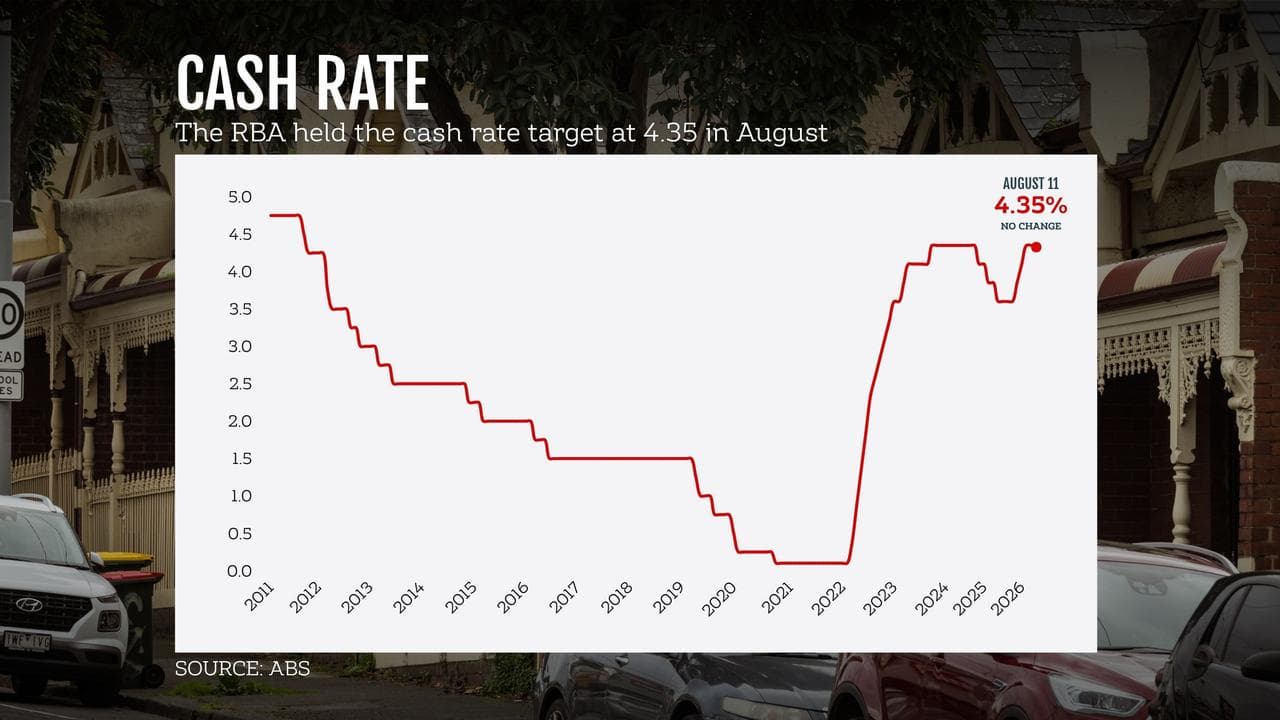
While Australia's relatively low unemployment rate is a bright spot in an economy hampered by the Middle East oil shock and persistently low productivity growth, the Reserve Bank has been looking for the labour market to soften for inflation to get back under control.
AMP deputy chief economist Diana Mousina said forward-looking indicators of the labour market - job vacancies, job ads and hiring intentions - showed employment growth should flatline from here.
"This should keep the unemployment rate hovering around 4.5 per cent over the remainder of the year," she said.
That's the same figure projected by the RBA in its latest set of economic forecasts.
The central bank's deputy governor Andrew Hauser said on Wednesday inflation was still too high and, while the economy was softening, more of a slowdown was needed to get inflation back to target.
"We’re not seeing in our forecasts a reduction in the number of jobs in the economy, but it’s a lot slower than Australia has known in the past and it’s a lot slower than recently," Mr Hauser said.
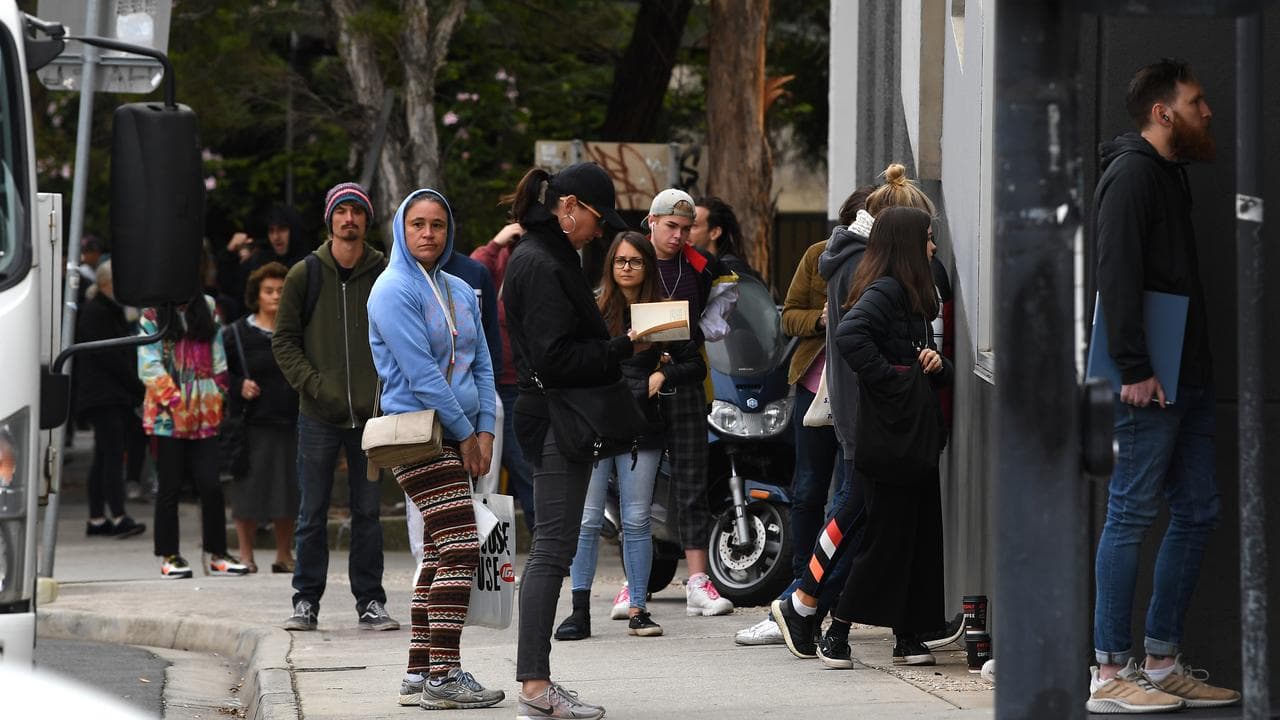
Ms Mousina said Thursday's data did not tell the RBA anything new about employment conditions.
"Employment growth has moderated, but it is still well balanced which is helping to keep wages growth lifted," she said.
"Wages growth is set to pick up pace in the next six months as the impact of the minimum and award wage rate decisions flow through to earnings and this will keep upward pressure on inflation."
Sean Crick, ABS head of labour statistics, said males were responsible for the majority of the fall in employment, with the number of men in work down by 11,000.
“Female employment recorded a smaller fall of 5,000, with females employed part-time falling by 22,000 but full-time rising by 17,000,” he said.
The participation rate edged down 0.2 percentage points to 66.9 per cent.
Treasurer Jim Chalmers said it was unsurprising to see unemployment tick up, given the economic challenges from around the world.


