
Russia's public health watchdog denies that a lab worker who died in Siberia had spread infection to another person, as global concerns swirl about suspected pneumonic plague.
Rospotrebnadzor has said the lab worker at a plague research institute in Irkutsk in southeastern Siberia died of pneumonia of unknown origin.
In tersely worded statements on Thursday, it said “extensive” testing found no evidence her illness was caused by any of the pathogens she worked with, and it informed the World Health Organisation that no case of plague had been registered in the Irkutsk region.
In Thursday’s statement, Rospotrebnadzor rejected reports about a second person falling ill after coming into contact with the lab worker as fake.
It did not offer any new information about the lab worker’s illness and death or reasons behind the sprawling emergency measures in the region.
On Wednesday, Maria Van Kerkhove, WHO director of Epidemic and Pandemic Management, said the UN health agency did not know what caused the woman’s October 2 death, which unconfirmed reports in Russia blamed on pneumonic plague - a severe form of plague that can spread from person to person.
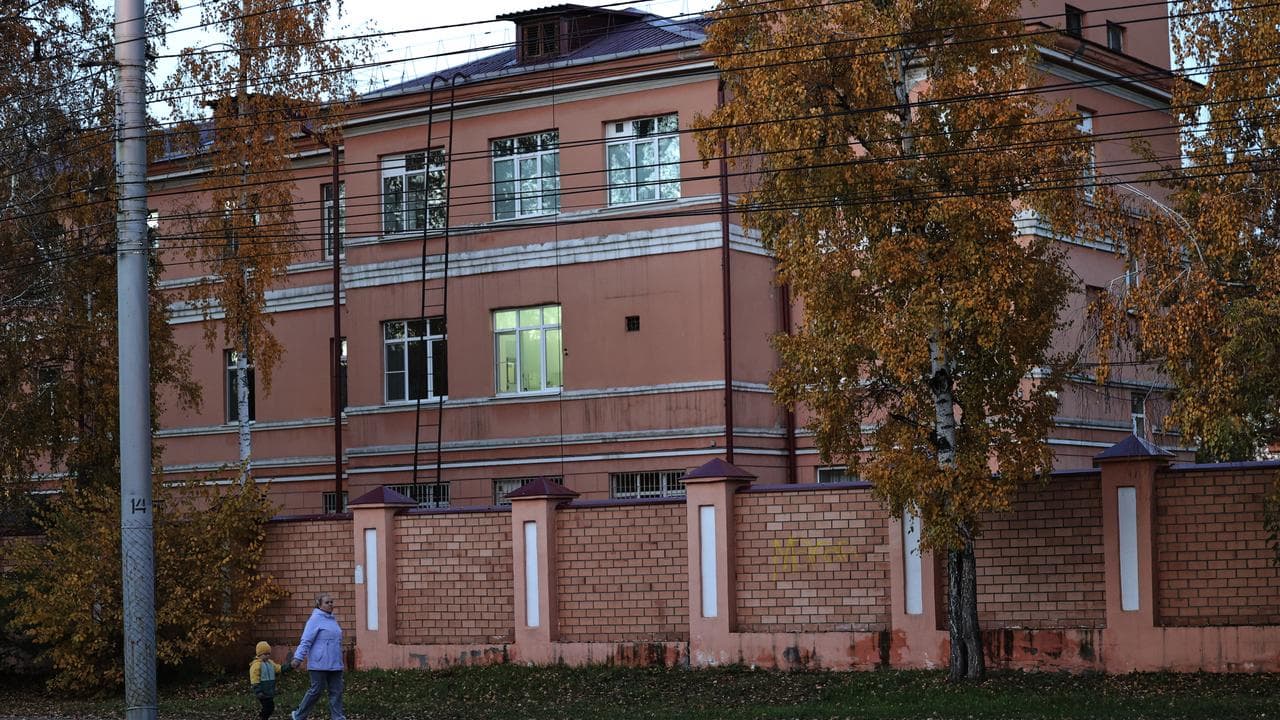
She urged Russia to provide more information about the case.
Van Kerkhove's comments suggested the UN health agency has more questions than answers about the situation at the lab, which focuses on plague and was founded about a century ago to study the disease in Siberia, where it occurs naturally in wild animals.
WHO said it has requested further information to clarify the cause of the severe pneumonia, the pathogen that prompted the public health measures and media reports that a second employee had pneumonia of undetermined cause.
Rospotrebnadzor said on Wednesday that it had conducted the “whole range of anti-epidemic measures in connection with the professional activities of the person who fell ill", noting that she had been “vaccinated and had immunity to dangerous infections”.
The agency also said that a probe into observation of biological safety norms at the institute found “no emergencies in dealing with pathogens” and confirmed that all safety measures had been duly observed.
Russian authorities have kept a tight lid on information about the case, which has been surrounded by secrecy.
Russian state TV and other national state-controlled media have largely steered clear of the subject.
Some news outlets withdrew earlier reports about the case.


