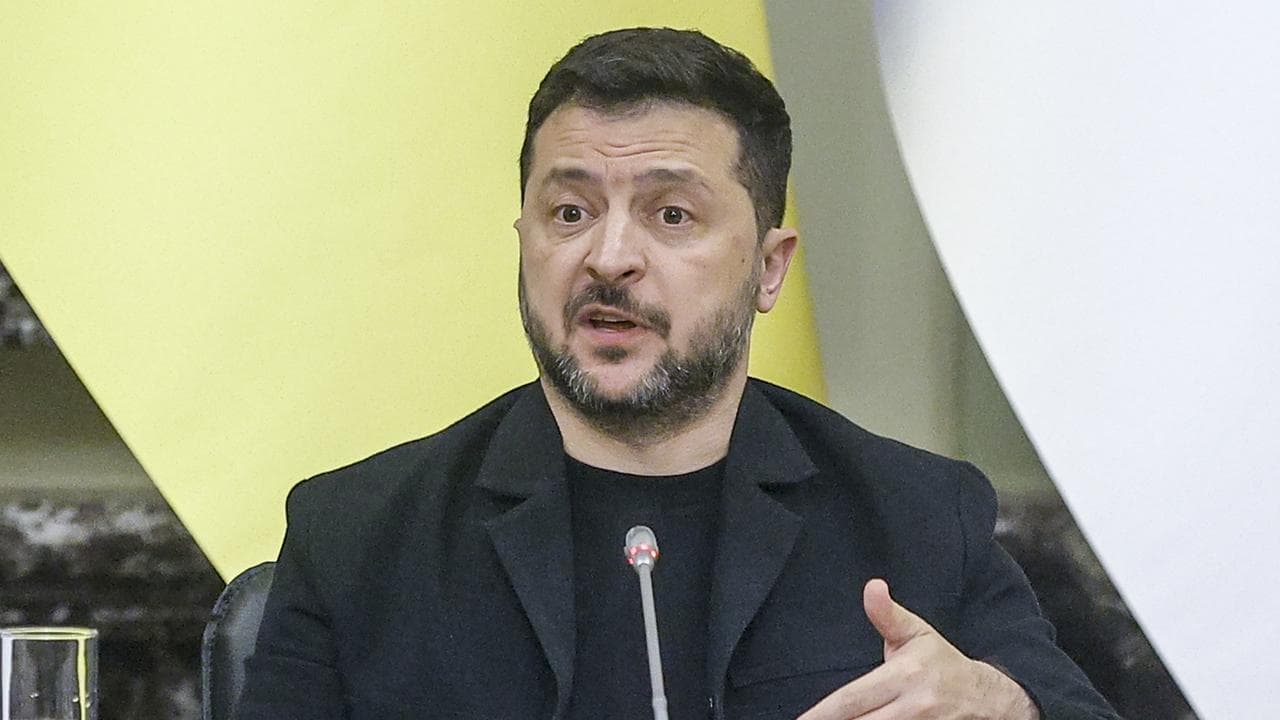
Russian forces have bombed an aid distribution centre and neighbouring shelter in southern Ukraine, killing 18 people and injuring five, President Volodymyr Zelenskiy says.
Zelenskiy said the attack initially dropped aerial bombs on a school in the village of Komyshuvakha, used for distributing humanitarian assistance, in the Zaporizhzhia region.
"After the first air strike, there was a repeat strike with nine more bombs, directly on the shelter where people were gathered," Zelenskiy wrote.
"The Russians could not have been unaware that every week residents who have remained in Komyshuvakha were receiving assistance aid right there. This is yet further proof that Russia does not want any kind of de-escalation, any real justice."
The villages lies southeast of the region's main city, also called Zaporizhzhia.
The attacks in the village occurred as a limited ceasefire expired on Monday in Kherson, a different region in the country's south.
The limited ceasefire agreement had allowed humanitarian aid and evacuation missions into front-line areas in Russian-occupied territory.
“There was a moment when the next steps could have shown that progress toward peace was possible,” Zelenskiy said.
"With these killings, Russia is sending an entirely opposite signal: Russia is counting on more killings."
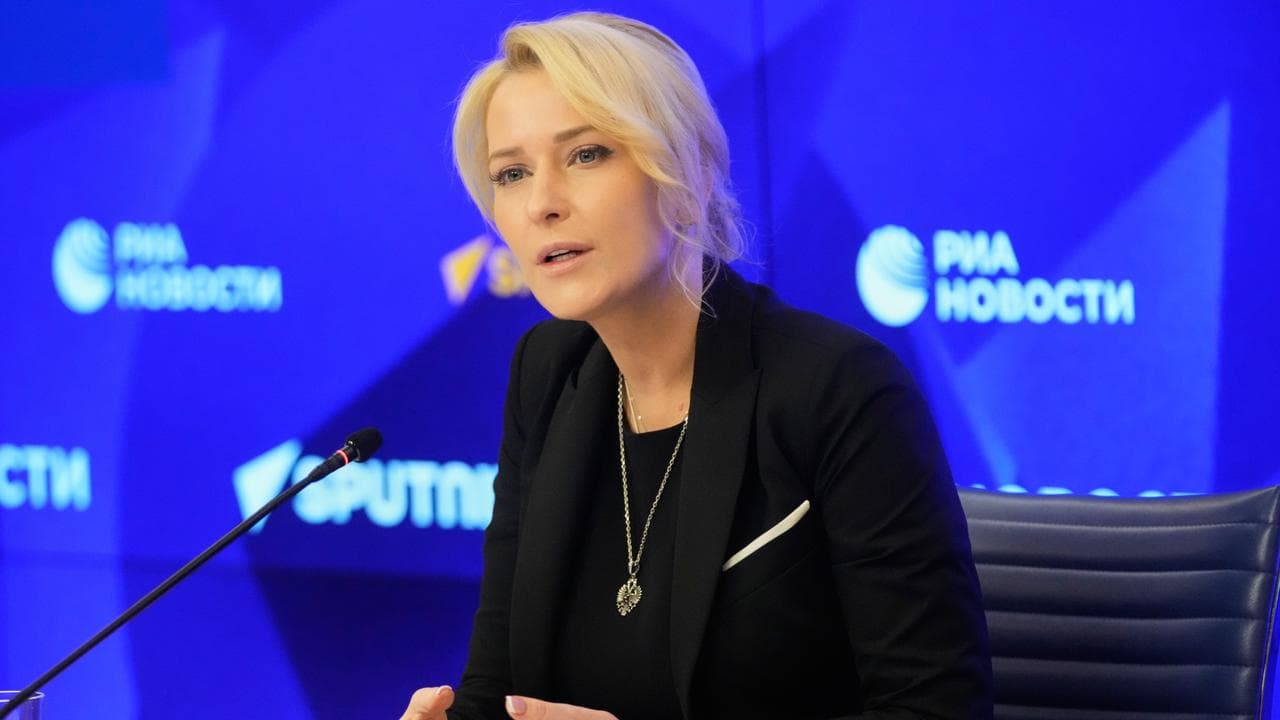
Russian human rights commissioner Yana Lantratova announced on Monday further humanitarian operations would occur in the front-line town of Oleshky.
Even after people were allowed to leave Oleshky during a rare local ceasefire, there are still many people there who need help, she said upon her return to Moscow.
They are to receive monthly aid deliveries, she said.
She did not provide any specific figures on the number of people rescued.
"We didn't count them. We didn't have time to count the people," she said at a press conference.
Of the 25 buses, with a total capacity of 750 seats, some returned empty because residents had decided to stay behind despite the risk to their lives, Lantratova said.
Those rescued were being looked after by doctors and psychologists, she said, and were being provided with accommodation, new documents, a bank account and further assistance to help them start a new life.
Earlier, residents of Ukraine and Russia had received phoney emergency alerts from government-run mobile apps that were hacked, authorities in both countries said.
The false alerts in Ukraine included a warning about an imminent nuclear threat.
It was not clear if the cyber attacks late on Sunday in Ukraine and early Monday in Russia were related.
Ukraine said its mobile app, which residents rely on to seek safety from Russian missile and drone strikes, was up and running again after being temporarily suspended.
Russian authorities said efforts to restore its emergency alert mobile app were ongoing.
with AP and DPA


