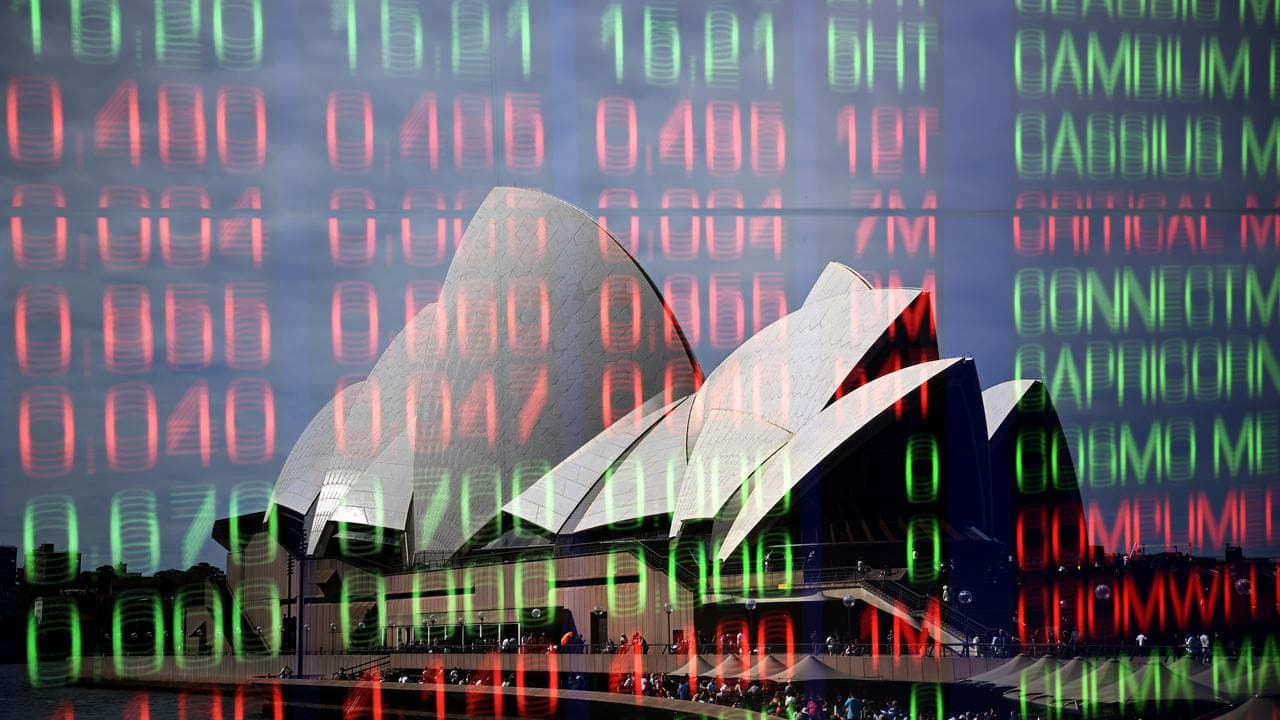
Australia's share market has wobbled ahead of the federal budget, as investors brace for tax reforms expected to impact returns on housing and stocks.
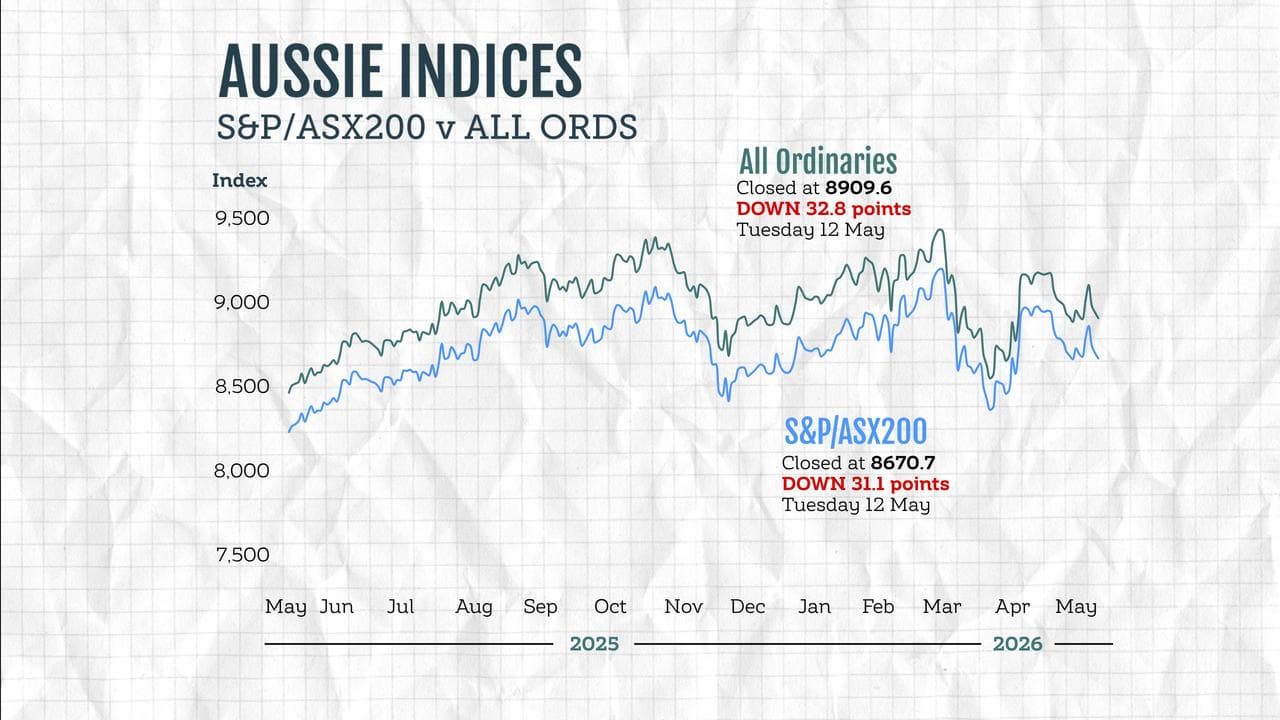
The S&P/ASX200 fell 31.1 points on Tuesday, down 0.36 per cent, to 8,670.7, as the broader All Ordinaries dipped by 32.8 points, or 0.37 per cent, to 8,909.6.
Concerns over proposed capital gains tax and negative gearing changes have dragged on real estate and banking stocks, while basic materials carved out some gains on the back of higher commodity prices, catapulting BHP to a new all-time high.
"Residential mortgages make up approximately 45 to 50 per cent of the big four's asset book, so they're very, very heavily exposed to the Australian housing market," IG market analyst Tony Sycamore told AAP.
"So any changes in tonight's budget that lead to a sustained fall of property prices isn't a particularly good thing for banks, their profitability and their ability to provide credit."
The heavyweight financial sector fell to a six-week low as all big four banks sold off ahead of CommBank's third quarter trading update due on Wednesday.
"And if it follows the script that we've seen from the other banks, it's not going to be particularly flash," Mr Sycamore said.
ASX-listed utilities stocks advanced, while energy stocks were weighed down by coal and uranium producers as oil prices rose amid reports of deteriorating US-Iran relations, weighing on hopes of a solution to the Persian Gulf energy crisis.
Woodside and Santos made gains, as the latter took its final investment decision (FID) to build a 19km pipeline to link its Agogo production facility to its PNG LNG pipeline in Papua New Guinea.
Recent strength in iron ore and copper prices helped launch BHP shares to a record high of $60.23, as competitors Rio Tinto and Fortescue also locked in solid gains.
The All Ordinaries gold sub-index jumped more than three per cent, despite the precious metal easing to $US4,700 ($A6,510) an ounce.
Consumer-facing stocks were under pressure, with both the staples and discretionaries sectors shedding more than 1.8 per cent, as higher interest rates, inflation and fuel prices weighing on spending expectations.
The health care segment fell to its lowest close since October 2017, as biotechnology company CSL continued its slide after Monday's gloomy trading update.
In company news, Droneshield shares plunged by almost a tenth after ASIC launched an investigation into the reannouncement of an existing contract and the subsequent sale of almost $70 million in stock by the company's former leaders.
Insurance Australia Group offered limited relief to the battered financial sector, gaining almost two per cent as it outlined its strategy for the rest of the decade.
Australia's exchange traded fund (ETF) industry as reached a record $346 billion in value after its third-largest monthly gain in history, according to Betashares.
International equities accounted for almost half of all ETF inflows at $2.6 billion, with Australian equities ($1.5 billion) and fixed income funds ($1 billion) following behind.
The Australian dollar is buying 72.12 US cents, down from 72.38 US cents on Monday at 5pm.
ON THE ASX:
* The S&P/ASX200 dropped 31.1 points, or 0.36 per cent, to 8,670.7
* The broader All Ordinaries fell 32.8 points, or 0.37 per cent, to 8,909.6
One Australian dollar trades for:
* 72.12 US cents, from 72.38 US cents at 5pm AEST on Monday
* 113.60 Japanese yen, from 113.67 Japanese yen
* 61.38 euro cents, from 61.54 euro cents
* 53.25 British pence, from 53.25 British pence
* 121.39 NZ cents, from 121.70 NZ cents


