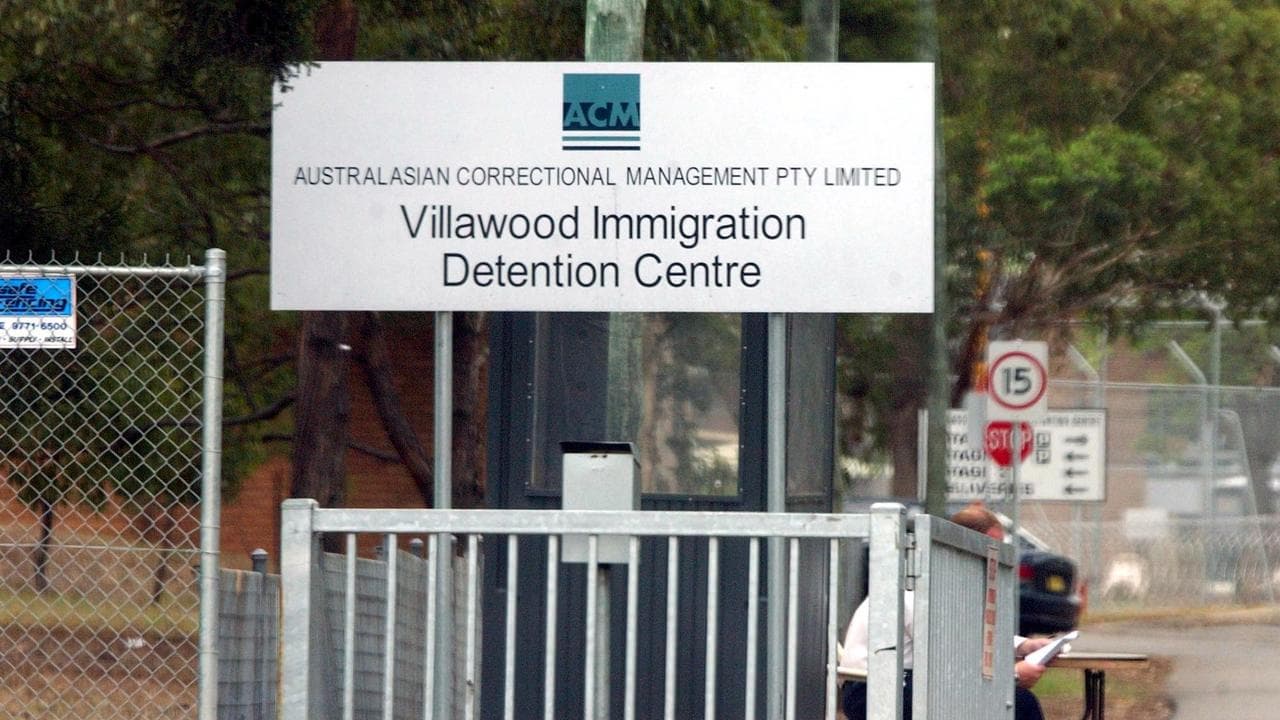
Toxic debate over migration could mean Australia is squandering opportunities to fill critical skills shortages and boost its lacklustre productivity, a peak body has warned.
Refugees who access settlement services early are almost 10 per cent more likely to be employed after three years, according to a report released by the Settlement Council of Australia (SCOA) on Tuesday.
It is one of a sheaf of figures showing golden economic chances are going begging due to a spotty system and hostility towards migrants, the group's chief executive Maria Dimopoulos told AAP.
"We don't want to get into yet another Uber and hear about the engineer, the doctor who can't get a job because the system hasn't identified the contribution that they can make," she said.
"At a time when we're talking about productivity needs, we're talking about skills shortages, now's the time to really zero-in on how can we maximise people's contribution."
Better English skills, more friendships beyond one's own ethnic group and a higher likelihood of studying, training for jobs and having a driver's licence emerged among humanitarian migrants who accessed settlement services early, along with the better employment outcomes.
The report, compiled by consultancy Deloitte, analysed a single annual group of migrants settled through the federal government's humanitarian and refugee pathway, tracking them over a decade.
The scheme welcomes 20,000 arrivals per year and has taken in nearly one million migrants since 1947.
The report found those who engaged support services were $18,000 better off in wages after 10 years, and the ones who graduated tertiary education with settlement services' help would earn $80,400 more per person over 20 years.
The revelations were proof debate over migration was running at the wrong register, according to Ms Dimopoulos.
"These migration settings can be discussed without turning people into political targets," she said.
"These are people that arrive with skills, these are people that arrive with vision, these are people that want to contribute."
They were also evidence it was time for the federal government to back Australia's settlement architecture, Ms Dimpoulos said.
A plan to cut Australia's refugee intake by one-third, floated in the 2026/27 federal budget, was scrapped by Prime Minister Anthony Albanese in August.
Refugees make up a fraction of net overseas migration, which came in at 301,000 in the year to December 2025 and is forecast to dip to 245,000 in the year to June 2027.
One Nation has proposed tamping it down further to 130,000.
The coalition is yet to nominate a figure, instead saying it would be tied to new houses being completed.
Ms Dimopolous said the SCOA report showed early post-arrival intervention could help migrants well beyond the refugee groups.


