Inmates deprived of exposure to open air in prison won't be able to sue the state despite a notorious crime figure's legal victory over corrections authorities.
Under legislation introduced to Victorian parliament on Wednesday, no amount of money will be payable for any loss or damage caused by past limitations to a person’s right to be in open air.
It comes after international crime boss George Marrogi won part of his Supreme Court case in January against Victoria's Department of Justice.
Marrogi, who is serving a 38-year prison sentence for murder and drug trafficking, argued his human rights had been breached over his limited access to open air.
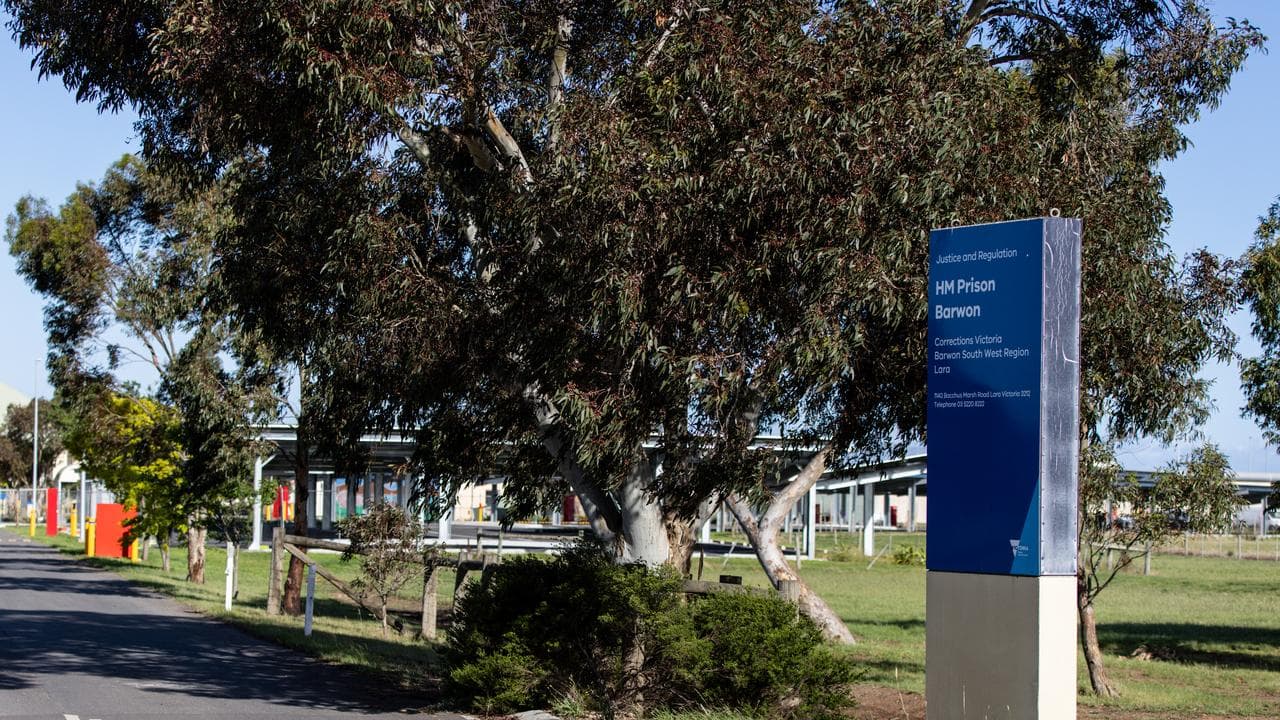
Justice Claire Harris found some of the yards at the two prisons he had been housed in - the Melbourne Remand Centre and Barwon Prison - did not have open air.
Victoria's department of justice is appealing the ruling, although a hearing date is yet to be set.
Regardless of the result, the Allan Labor government's proposed laws cut off a pathway to compensation for Marrogi and any other detainees.
Marrogi's barrister Sarala Fitzgerald SC told the Supreme Court in February her client was experiencing cruel, inhumane and degrading conditions in custody.
She pointed to the Mandela Rules - a set of standards for the treatment of prisoners set out by the United Nations.
The rules state solitary confinement is when a prisoner is without meaningful human contact for 22 hours or more a day and prolonged solitary confinement is when those conditions extend past 15 consecutive days.
Ms Fitzgerald told the court between November 2023 and March 2025, Marrogi generally spent 23 hours a day in his cell and was not allowed to interact with other prisoners.
When he was able to leave his cell, Ms Fitzgerald argued Marrogi was still confined to austere physical spaces.
Victorian prisoners are allowed at least one hour of open air a day under current practice but there are exceptions based on operational risk and staff safety.
"We will always ensure the safety, security and good order of our prisons for both staff and prisoners," Corrections Minister Paul Hamer said.
"This (legislation) brings us into line with other jurisdictions like NSW, and makes a longstanding practice crystal clear in law."


