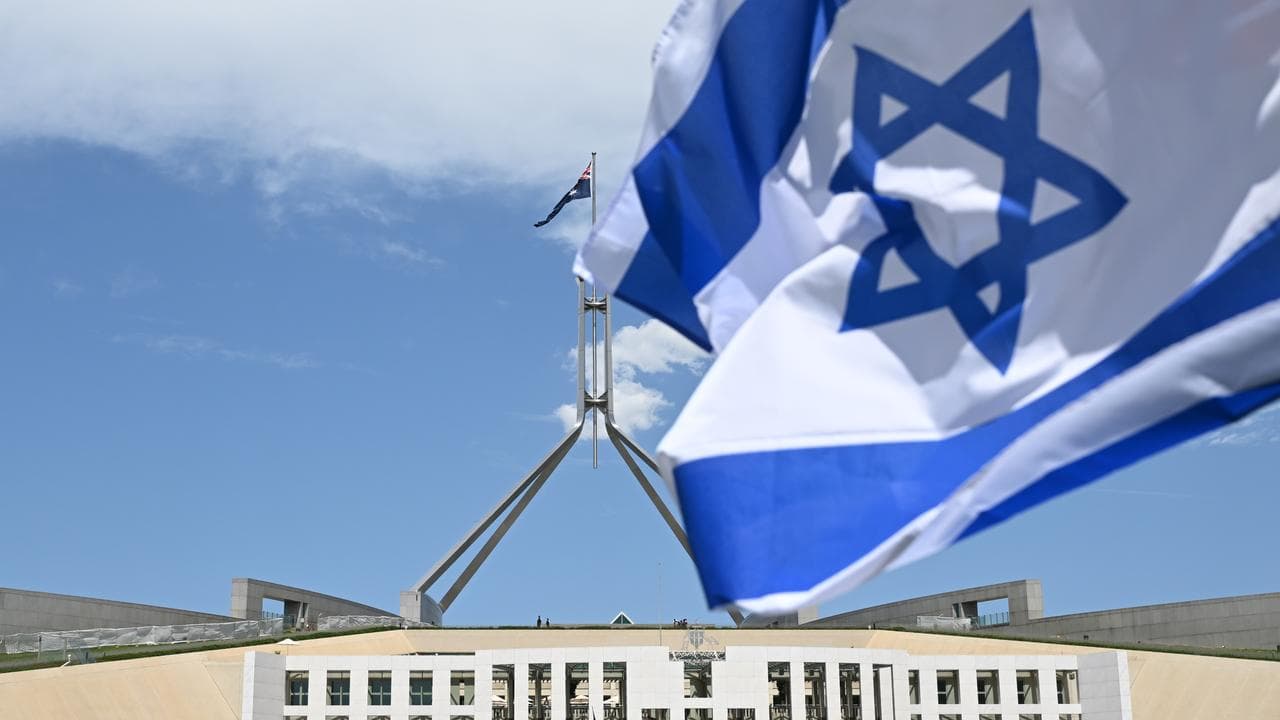
Australia is pushing for Lebanon to be included in any Middle East peace deal, warning global oil supplies could be put at risk, prompting a rebuke from the Israeli ambassador.
The government will also extend its deployment of a sophisticated spy plane to the region as questions remain about when the conflict will end.
A dispute over whether Lebanon is included in the temporary ceasefire in the Middle East has prompted Iran to again close the Strait of Hormuz less than a day after promising to open the key trading waterway.
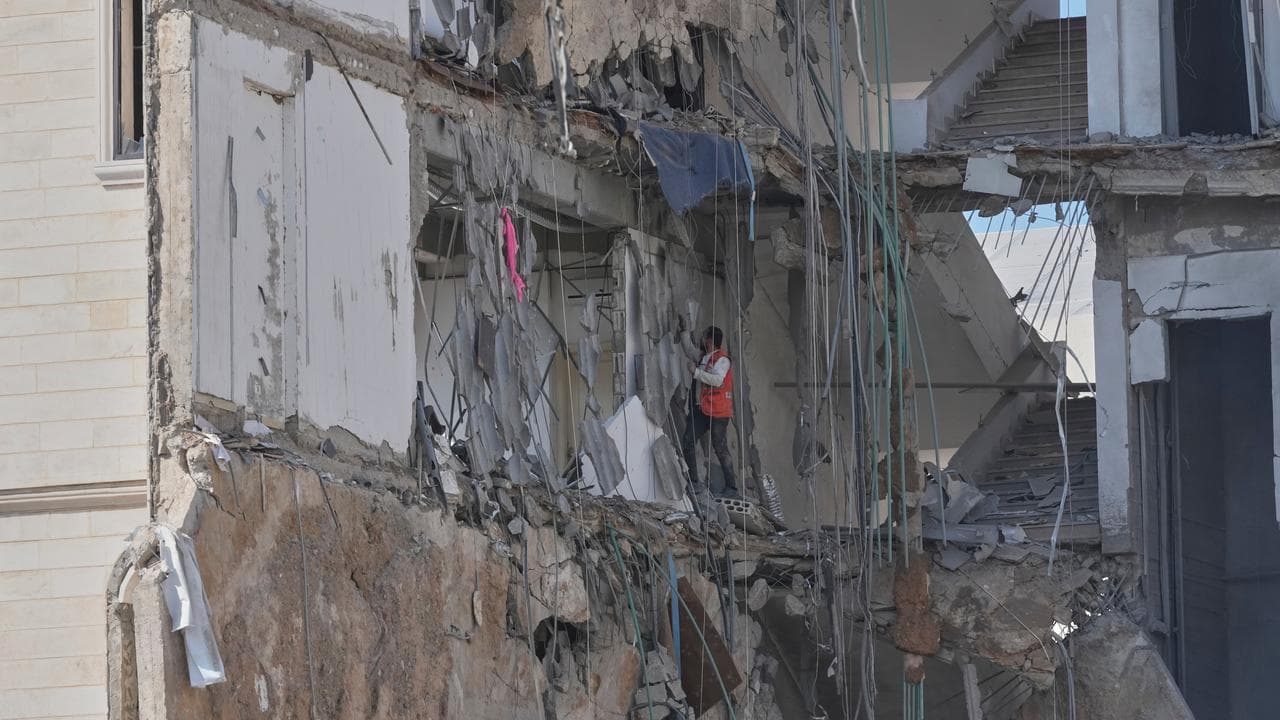
Prime Minister Anthony Albanese said Lebanon must be covered by the deal - a claim vehemently disputed by Israel and the US.
"The Australian government ... firmly believes that this has to apply to Lebanon as well," he told reporters in Brisbane on Thursday.
"I know that many Australians are concerned about the events that are occurring in Lebanon."
Israel says it has carried out its largest wave of strikes against Lebanon since the start of the war, killing at least 250 people, according to local authorities.
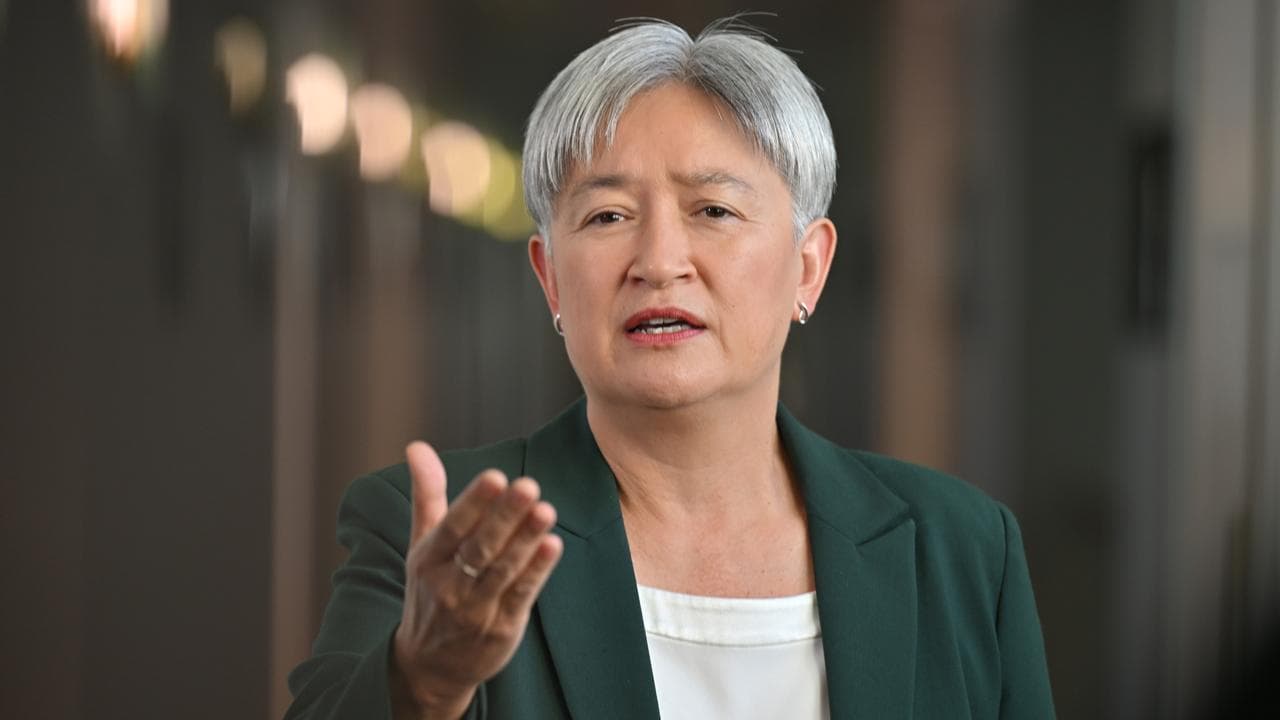
Foreign Minister Penny Wong said de-escalation in Lebanon was needed to ensure Australia got continued access to oil being shipped through the Strait of Hormuz.
"We want the ceasefire to hold," she told ABC Radio on Thursday.
"We know it's fragile, we know what it means for the world and we know what it means for Australians at the petrol bowser."
Asked about Australia's push for Lebanon to be included in the ceasefire, Israeli ambassador Hillel Newman said his country faced a serious security threat from Hezbollah, a listed terror organisation which operates out of southern Lebanon.
"Since the second of March, they've launched more than 5000 rockets and drones against the people of Israel," he told reporters in Canberra.
"I believe that if Australia was faced with the same threat as we are in the northern part of Israel, they would act the same."
US President Donald Trump said American ships, aircraft and military personnel would remain in the region until a permanent agreement was struck.
"If for any reason it is not, which is highly unlikely, then the 'Shootin' Starts' bigger, and better, and stronger than anyone has ever seen before," he said in a post on his social media platform Truth Social.
With cracks appearing in the shaky ceasefire deal, Mr Albanese announced an Australian spy plane and its crew would remain deployed to the Middle East.
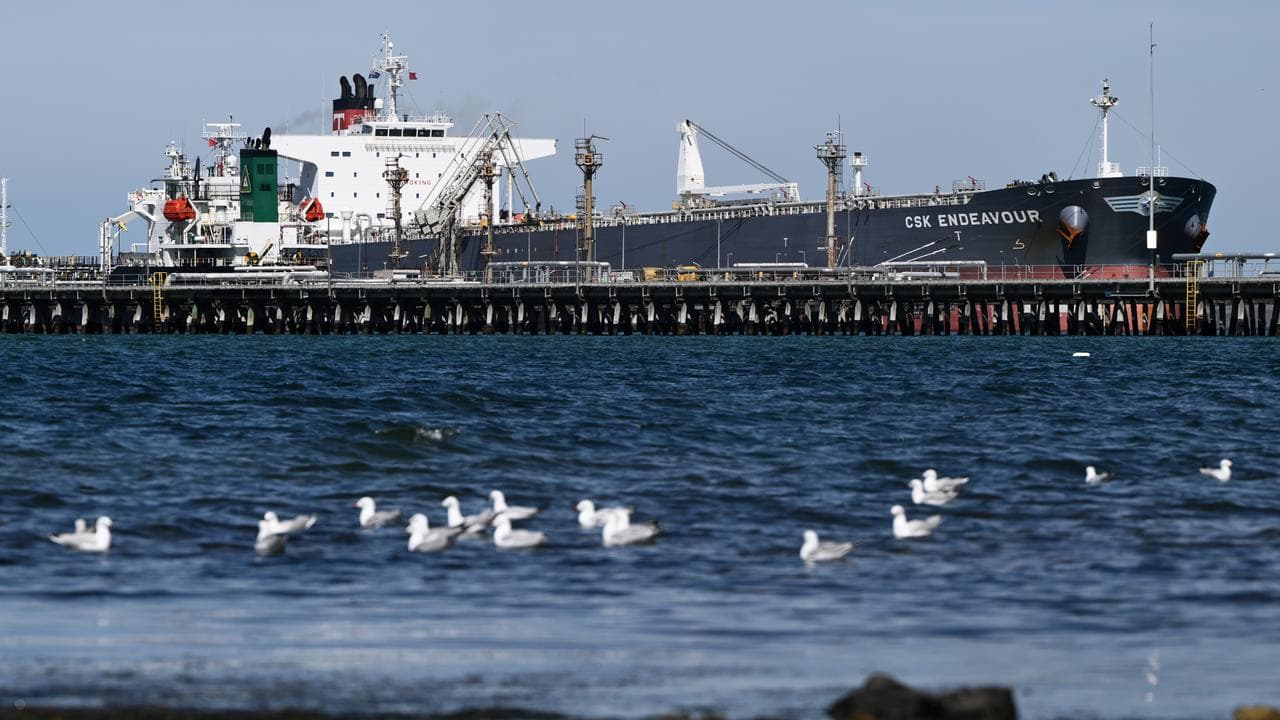
The federal government sent an E7A Wedgetail - a sophisticated surveillance aircraft - to the region when the war broke out in late February.
"The wedgetail will be staying in the region for a period of time," the prime minister said.
"That extension was something that, in fact, I signed this morning after that was agreed at the National Security Committee yesterday."
Israeli President Benjamin Netanyahu has declared his country is ready to return to fighting in Iran at any moment, because it still has objectives to achieve.
"The finger is on the trigger," he said in remarks translated from Hebrew.
Opposition defence spokesman James Paterson said he was sceptical of Iran's claims about Lebanon's inclusion in the ceasefire but expressed concern over the scale of Israel's attacks.


