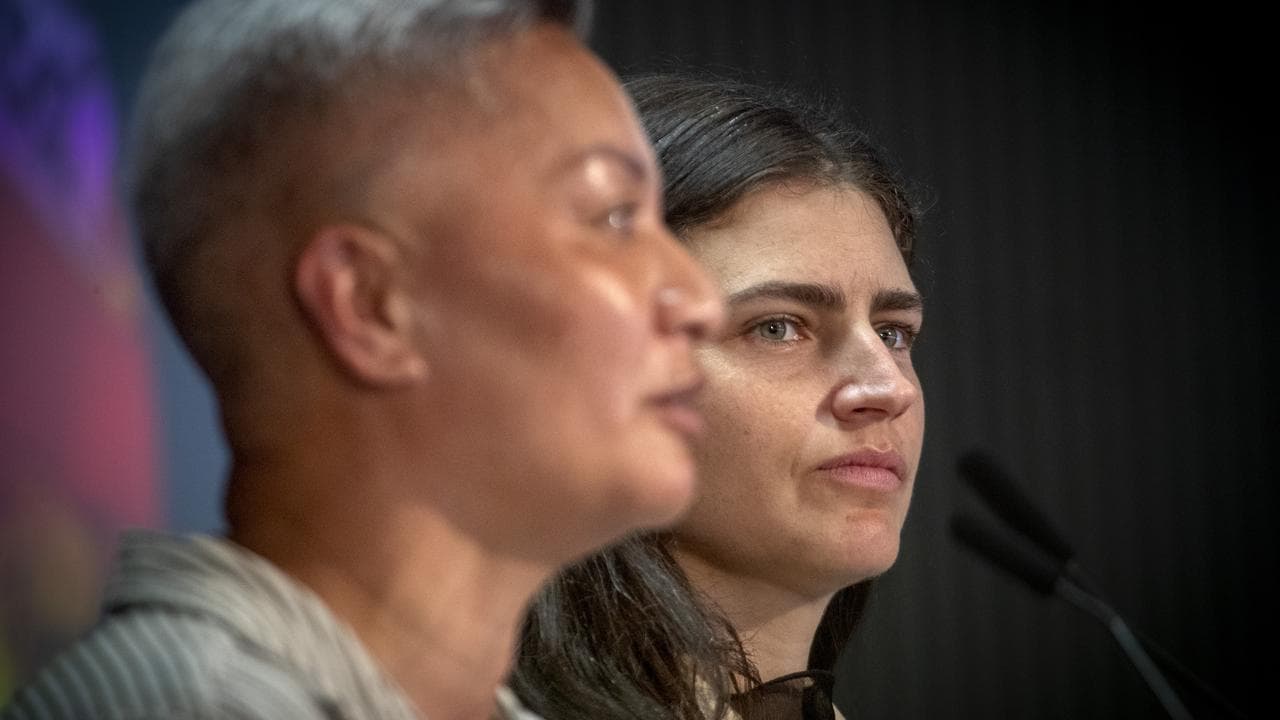
From early term scandal and tragedy, New Zealand's Greens are on track to record the biggest vote in their history and of any minor party in the modern era.
The final TVNZ poll of the campaign had the left-wingers repeating their record 16 per cent, which would deliver roughly 20 MPs in the next parliament.
Should the left bloc take power with Labour - which is still in the balance in a close-run election - the poll bump has Greens co-leader Chloe Swarbrick eyeing senior portfolios in government.
A major talking point of the campaign might be whether the 32-year-old Aucklander might take the finance portfolio.
The governing National party has unleashed a wave of negative ads talking up that prospect, despite Labour repeatedly ruling it out.
That campaign reached fever-pitch this week, with Ms Swarbrick telling Radio NZ she was "effectively being cyberbullied by the most powerful people in the country".
Undeterred, Ms Swarbrick has confirmed she still wants the job, and in an interview with AAP confirmed she was eyeing even higher office.
"To be completely honest, the likes of deputy prime minister factors in to what it is that we're considering," she said.
"But it's not just for the baubles of office. It is thinking about how we actually achieve things."
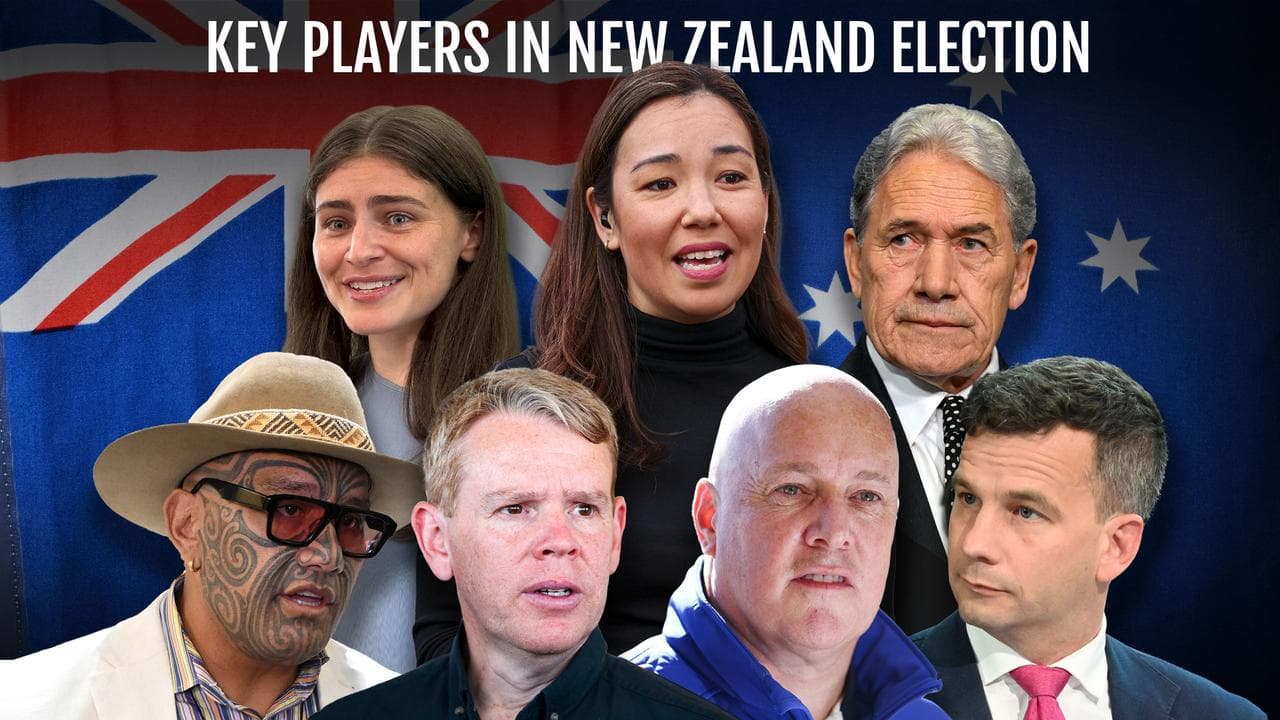
In New Zealand, key ministerial roles and the government's policy pursuits are usually carved up in the aftermath of an election during coalition negotiations.
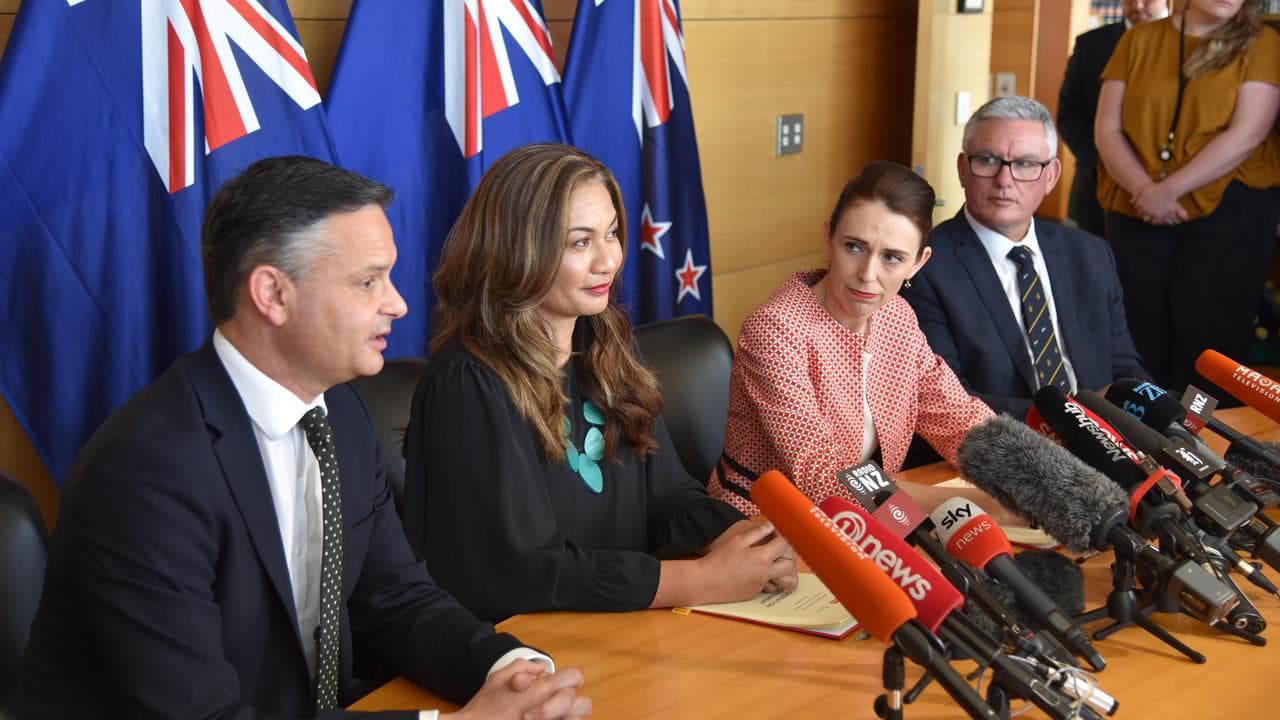
The Greens contributed ministers to Jacinda Ardern's Labour-led governments, but crucially outside cabinet, which often frustrated the party.
A general principle is that the more MPs a party brings to a coalition, the more ministries it is entitled to.
Leaders loathe pre-empting those talks for fear of weakening their negotiating hand in government formation.
National's negative campaign plays into that unresolved tension of what Labour policies and what Green policies - including tax reform headlined by a wealth tax - might prevail.
"We don't negotiate before we get to the negotiating table," Ms Swarbrick said, insisting any roles the party took would be as a means to an end.
"We are interested in policies above all else ... but one of the big lessons from our experience governing with Labour in the past is that yes, policies are important, but having the leaders to actually implement them is also critical.
"A deputy prime minister as a role is important for how the official bureaucracy responds to you because there is a pecking order."
The Greens rise and rise is one of the stories of the campaign, particularly where they started from three years ago.
In early 2024, they lost three MPs in contrasting circumstances.
Star newcomer Efeso Collins died in a charity run a week after his maiden speech, foreign affairs spokeswoman Golriz Ghahraman resigned after shoplifting and Darleen Tana was expelled from the party for migrant exploitation at a family business.
Co-leader Marama Davidson then revealed a breast cancer diagnosis, returning to the role in 2025.
Also that year, queer MP Benjamin Doyle was accused of inappropriate parenting on the basis of a social media post, leading to his resignation after what the Greens called an "immense" number of death threats.
Ms Swarbrick said the term had involved "a lot of hard work".
"More than ever, we have realised that winning the argument is one thing, but winning real-world change and bringing people on board is slightly different," she said.
She said the Greens had poured effort into making sure their cost-of-living policies were intertwined with other parts of their agenda such as climate, nominating their affordable food strategy as a personal favourite.
"That's looking at long-term food resilience, what we can grow where, how we stop the immense amounts of food waste, which also then contribute to massive climate-changing emissions," she said.


