When Simon Mildren hears an emergency call ring out through the station, he and his crew have 90 seconds to dress, be in their truck and race toward whatever disaster awaits.
After 25 years as a firefighter in Victoria, he's confident he and his colleagues will be able to help in any situation they confront.
"There is nothing more pleasing than turning up to someone else's worst day and basically saying, 'We've got this'," Mr Mildren told AAP.
But spending long days and nights either waiting for a call to come in, or dealing with car accidents, house fires and medical emergencies inevitably takes a toll.
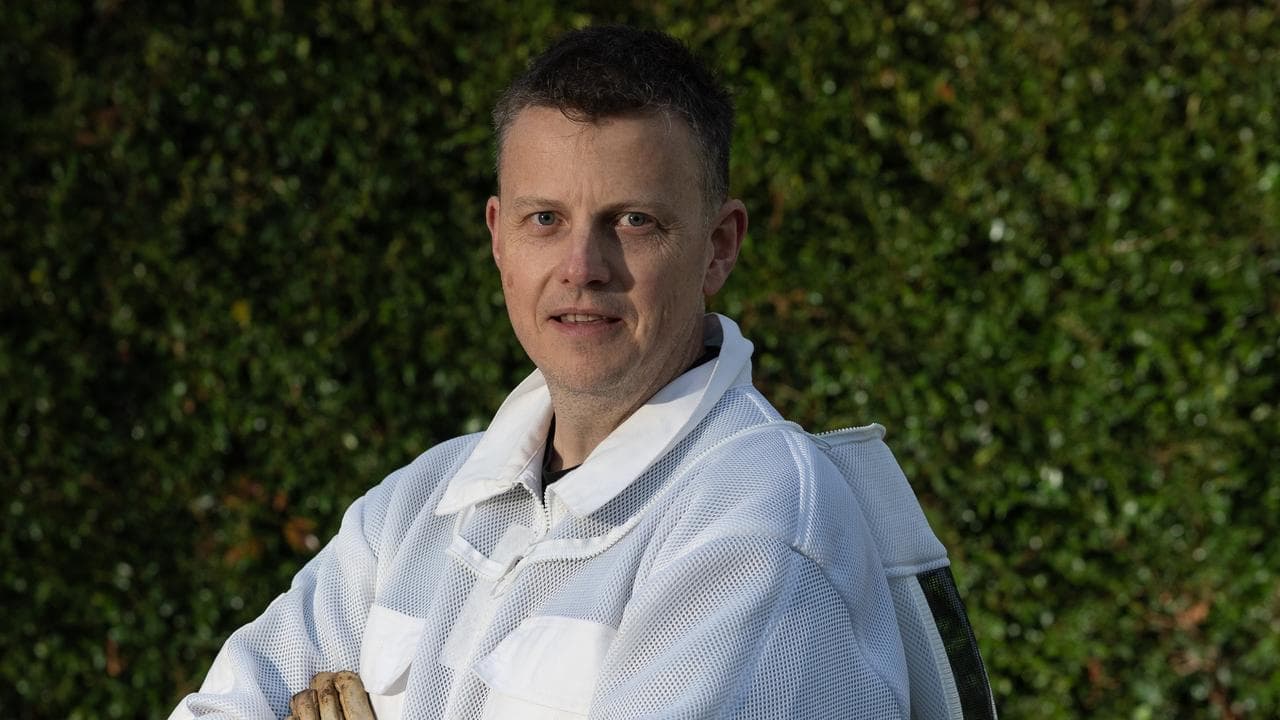
Moments of stress and pressure can slowly build up, despite supportive work mates and well-established mental health programs offered by the service, Mr Mildren said.
"I've seen it with almost everyone I know in the fire brigade, whether they're prepared to admit it or not."
A comprehensive study led by the The Black Dog Institute found one-in-seven first responders around the world have probable post-traumatic stress disorder in response to routine duties.
Rates have in fact increased for a majority of them despite significant investment in mental health for frontline workers, the research found.
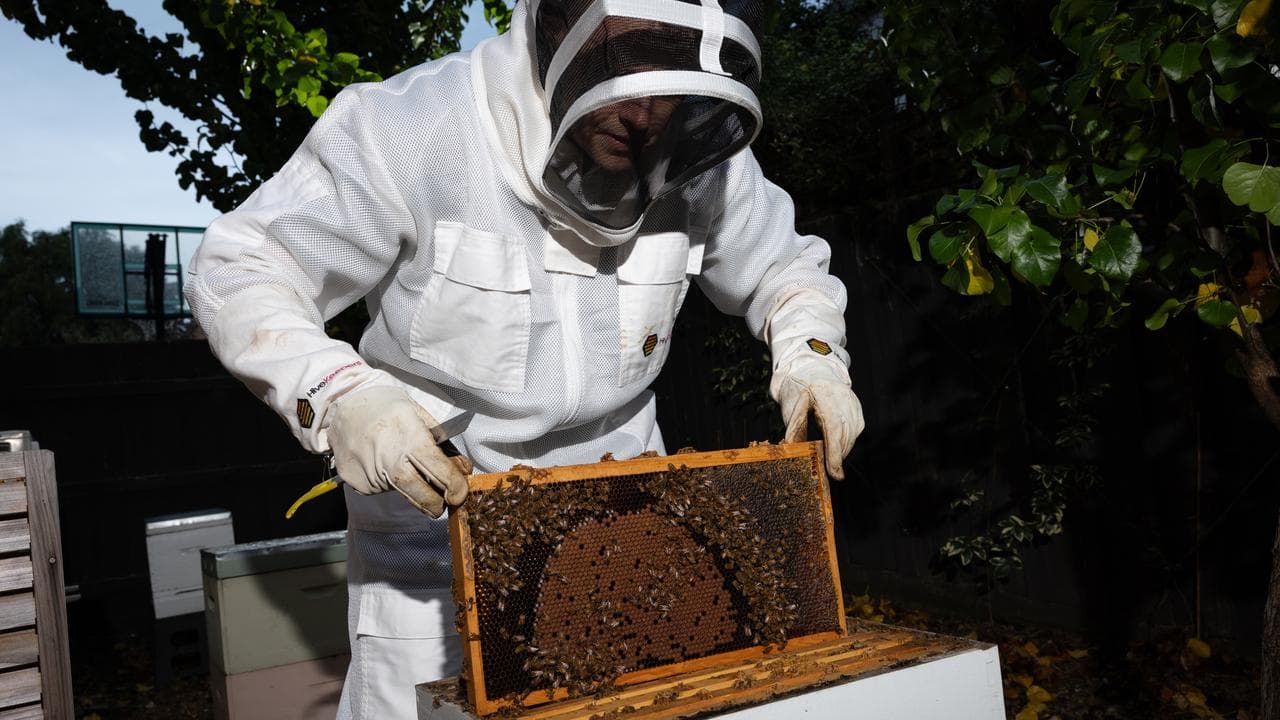
At the end of his first decade as a firefighter, Mr Mildren found relaxation by getting outside, planting an orchard, growing vegetables and keeping bees.
Learning the intricacies of beekeeping and tending to his hives became key to strengthening his mental health.
"The fire brigade radio in your head finally goes quiet when you're there with the bees," Mr Mildren said.
"There's 60,000 tiny little lives demanding nothing but your calm presence."
The possible mental health benefits of beekeeping have been the subject of recent research, including an Irish study that explored the power of "positivity resonance".
The phenomenon describes the experience of humans sharing a positive experience, while the effects may also extend to humans and animals they care for.
Inspired by Canadian and US programs that build communities and help veterans through beekeeping, Mr Mildren has been spreading the word about beekeeping among his firie friends.
"Some of that calming influence and respect you get working with bees, for nature and perhaps for yourself, starts to show through in their behaviours and in their conversations," he said.
The backyard hobby has also turned into a professional pursuit.
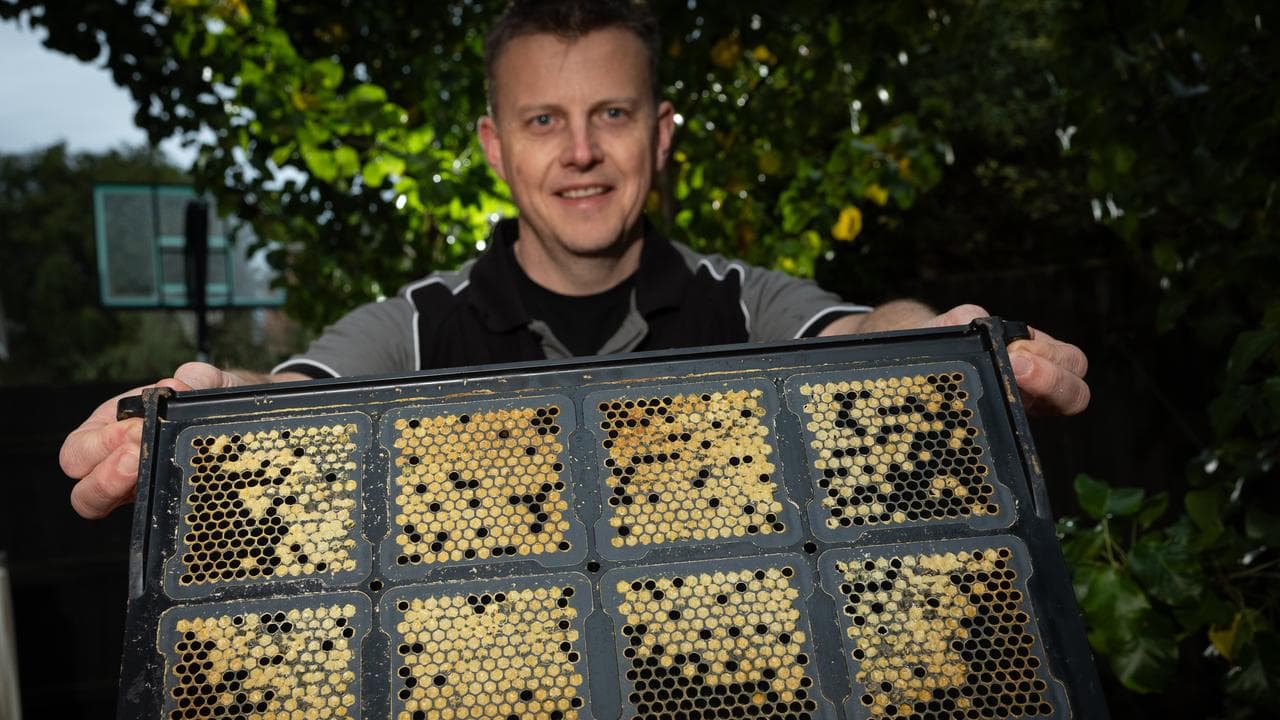
Mr Mildren is the founder of HiveKeepers, manufacturing a device that simplifies honey harvesting.
The micro honey harvester won the top gong for innovation at the Apimondia world beekeeping awards in Copenhagen in 2025.
He also took part in the Food and Agribusiness Network Cluster Connect, which supports the scale of ag-tech ventures.
"Firefighters run towards the danger," he said.
"But beekeeping teaches you to stand still and stop."
Lifeline 13 11 14
beyondblue 1300 22 4636


