Pop superstar Taylor Swift has filed trademark applications for two audio clips and one image of herself in what a trademark lawyer says is an attempt to protect her voice and likeness from deepfake videos and audio created by artificial intelligence.
The applications were filed with the US Patent and Trademark Office on Friday and list Swift's TAS Rights Management as being the owner of the audio clips and image.
A spokesperson for Swift did not immediately respond to a request for comment, nor did lawyers who were listed on the filings.
In one of the audio clips, Swift is heard saying: "Hey, it's Taylor Swift, and you can listen to my new album, The Life of a Showgirl, on demand on Amazon Music Unlimited."
The second clip says: "Hey, it’s Taylor. My brand new album The Life of a Showgirl is out on October 3 and you can click to presave it so you can listen to it on Spotify."
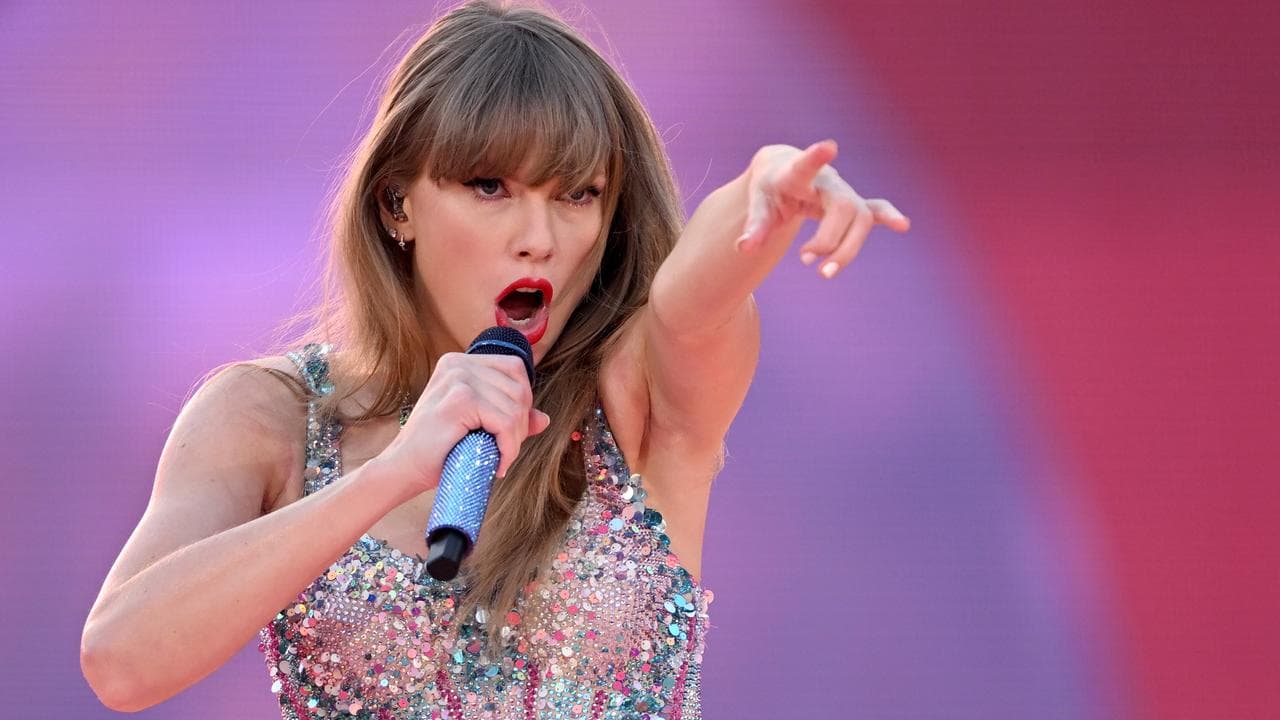
The image Swift is seeking to trademark is of her onstage in a sequined outfit, pink guitar in hand.
Swift's image and voice have been used in countless AI-generated deepfakes - from false advertising to fake political endorsements to explicit images.
Matthew McConaughey has had similar filings approved.
He told the Wall Street Journal in January that "we want to create a clear perimeter around ownership with consent and attribution the norm in an AI world.”
Trademark lawyer Josh Gerben, who first publicised that Swift made the applications on his blog on Monday, wrote that they "are specifically designed to protect Taylor from threats posed by artificial intelligence."
"While existing 'Right of Publicity' laws offer some protection against unauthorised use of a famous individual’s likeness, trademark filings can provide an additional layer of protection," Gerben wrote.
Gerben added that registering a celebrity's spoken voice is a new use of trademark registration that has not been tested in courts.
"Historically, singers relied on copyright law to protect their recorded music," he wrote. "But AI technologies now allow users to generate entirely new content that mimics an artist’s voice without copying an existing recording, creating a gap that trademarks may help fill."
Gerben said the photo Swift is seeking to trademark serves a similar purpose.
"By protecting a distinctive visual, down to Swift’s commonly worn jumpsuit and pose, Swift’s team may gain additional grounds to pursue claims against manipulated or AI-generated images that evoke her likeness," he wrote.


